The latest
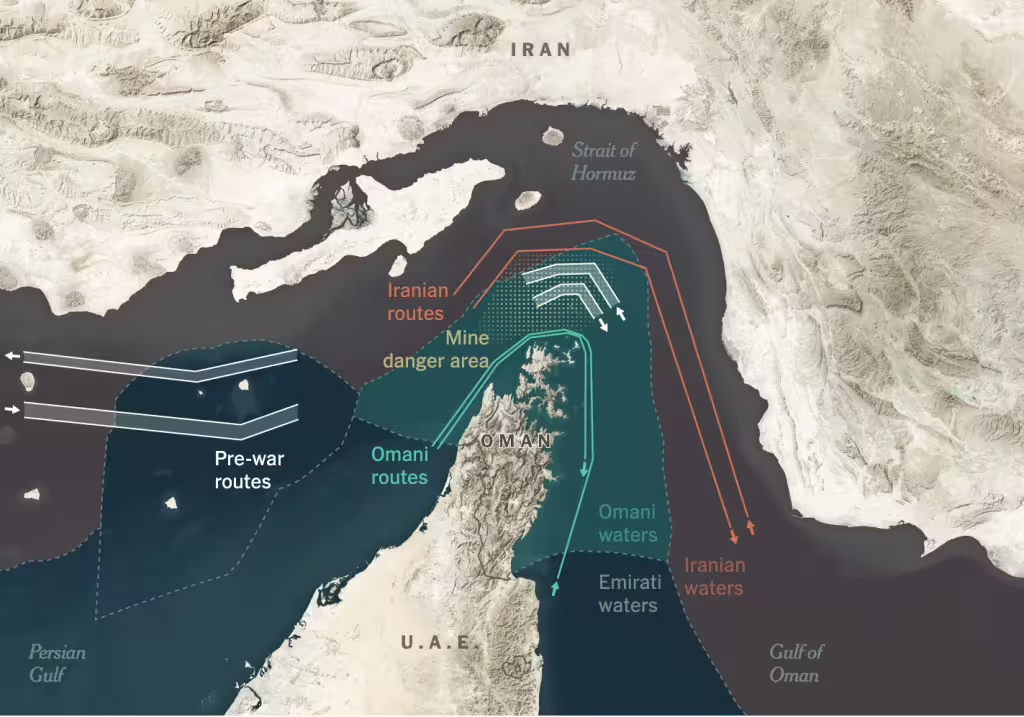
Oman’s proposal marks the first serious effort to redefine how the Strait of Hormuz is managed after the U.S.-Iran war. But it has also opened a new dispute between Washington and Tehran over the future of one of the world’s most important maritime chokepoints, according to The New York Times.
Details
- The New York Times reported that Oman has presented the United States and its Western partners with a proposal to establish a shipping service fee system for the Strait of Hormuz, drawing on the model used in the Strait of Malacca.
- Muscat says the fees would be voluntary and would fund navigation safety, emergency response, and maritime services. Iranian officials, however, insist the payments should be mandatory.
- The proposal follows the recent war, during which Iran disrupted traffic through the strait, driving oil prices sharply higher and demonstrating its ability to use the waterway as economic leverage.
- The ceasefire framework guaranteed free commercial passage through the strait for only 60 days, leaving its long-term governance to follow-up negotiations between Washington and Tehran.
- Iranian Deputy Foreign Minister Kazem Gharibabadi said Tehran’s priority is reaching an agreement with Oman but warned that Iran is prepared to move ahead on its own if no joint framework is reached.
- The Trump administration has rejected any new financial mechanism tied to passage through the strait. Secretary of State Marco Rubio said the United States opposes any “fees, taxes, or donations” linked to commercial transit.
- Omani Foreign Minister Badr Albusaidi said Muscat is not seeking to charge vessels simply for crossing the strait. Instead, it is exploring ways to finance maritime safety and emergency services using models already employed in other international waterways.
- The Secretary-General of the International Maritime Organization said mandatory charges that restrict freedom of navigation would conflict with international law, although a voluntary funding mechanism remains a possible option.
- The proposal is also drawing concern from Gulf energy exporters. Saudi Arabia has called for the Strait of Hormuz to return to its pre-war status and warned against accepting new arrangements created by the conflict.
- Roughly one-fifth of global oil trade passes through the Strait of Hormuz, making any change to its governance significant for global energy markets and international shipping.
What to watch
Iran and Oman are expected to begin formal talks in the coming days on the future management of the Strait of Hormuz. The outcome will determine whether the waterway returns to its pre-war framework or enters a new era shaped by permanent security arrangements and service-based funding.