The latest
Days after the ceasefire took hold, the challenges threatening any lasting agreement are becoming clearer. While attention has shifted to U.S.-Iran diplomacy, President Donald Trump’s administration is confronting a far more complicated landscape than the one that existed before the war.
Vice President JD Vance is focusing his talks with Iranian officials on the nuclear file and regional security arrangements. But the question that sparked the conflict remains unanswered: what limits, if any, is Tehran willing to accept on its nuclear program?
Details
• Despite the damage inflicted during the war, Iran’s leadership survived and retained control, giving Tehran a stronger negotiating position than many expected before the conflict.
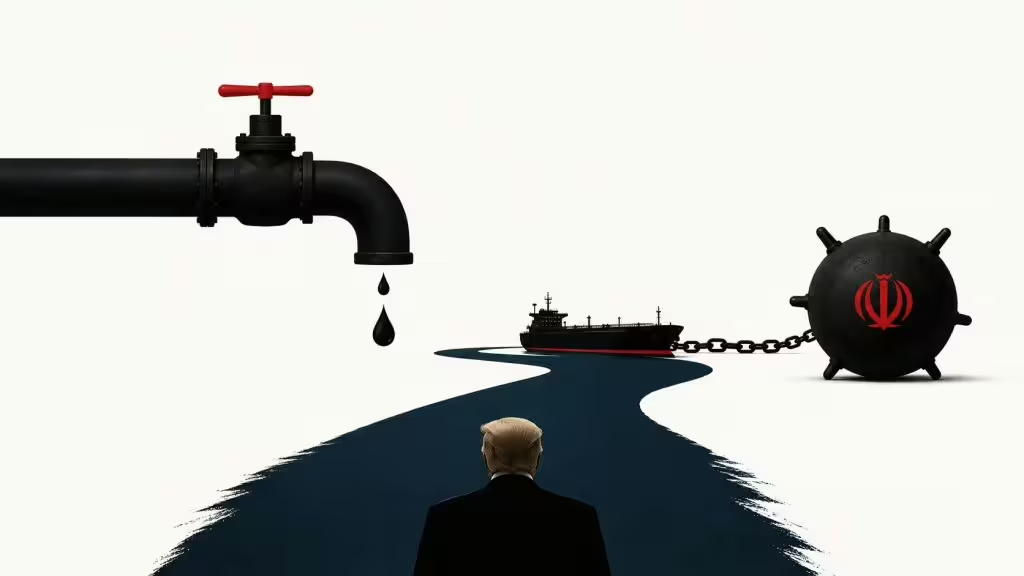
• U.S. officials increasingly view Iran’s ability to threaten shipping through the Strait of Hormuz as a real source of leverage after wartime disruptions drove up shipping costs and insurance premiums.
• According to The Washington Post, concerns over oil prices and global market stability played a significant role in Trump’s push to secure a ceasefire and reopen diplomatic channels.
• The administration has effectively stepped back from calls for regime change in Iran and has softened its rhetoric on Iran’s ballistic missile program compared with its pre-war position.
• Aaron David Miller, a former adviser to Republican and Democratic administrations, told the newspaper that Washington now has fewer options to pressure Tehran without risking a renewed conflict or another shock to energy markets.
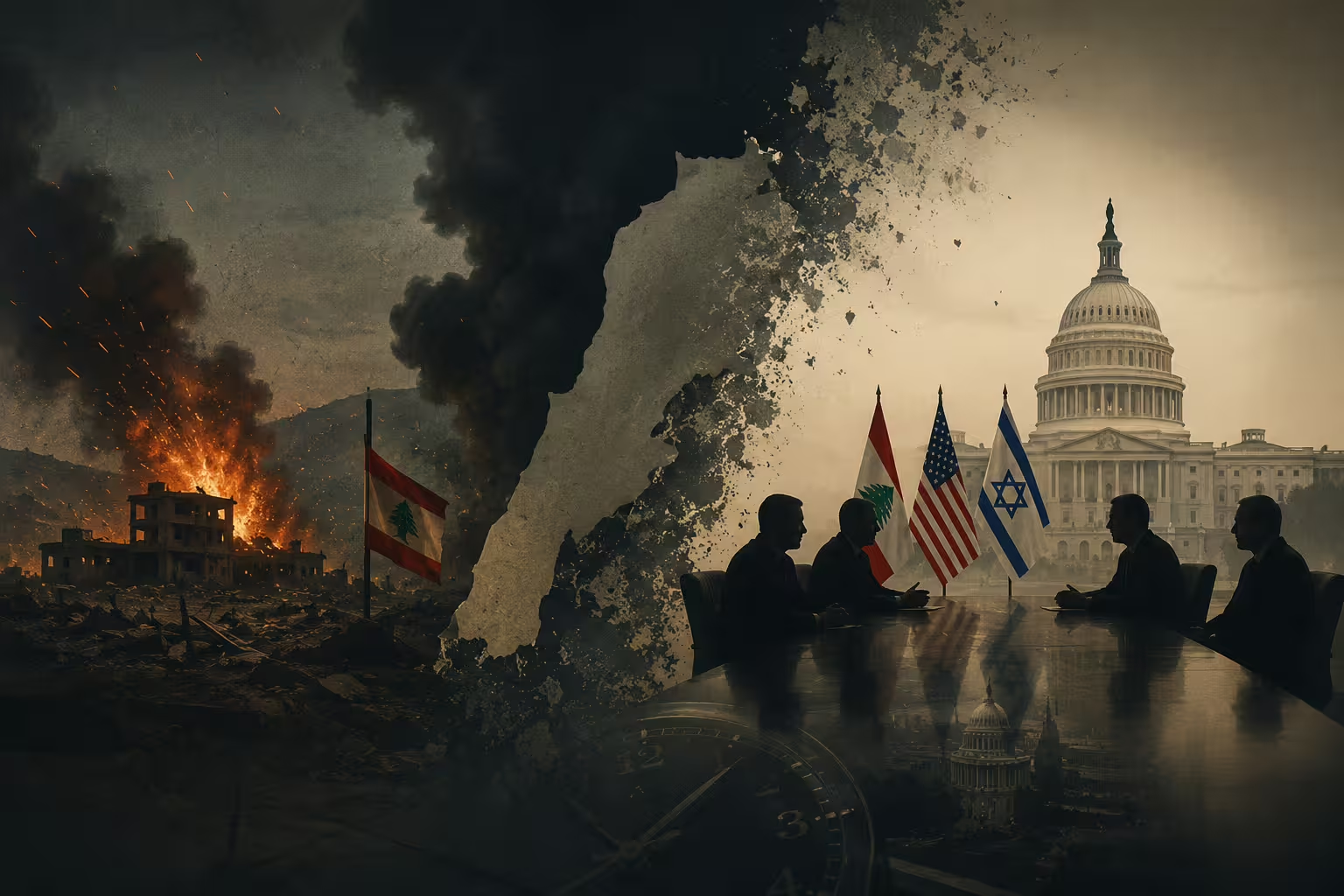
• At the same time, tensions on the Lebanese front continue to threaten the agreement. Israel says it is still targeting Hezbollah positions, while arguing that any ceasefire is incomplete unless the group halts its military activity.
• Differences between Washington and Jerusalem are becoming increasingly visible. Reports from The Washington Post and The New York Times suggest growing Israeli frustration with the direction of U.S.-Iran diplomacy and concerns that major decisions are being made without full Israeli involvement.
• Trump is also facing pressure at home. Influential voices within the conservative movement argue that the administration granted Iran strategic and political gains in exchange for ending the fighting.
• A recent Fox News poll found declining public support for military action against Iran, adding political sensitivity to the issue ahead of the midterm elections.
What to watch
The outcome of Vance’s talks with Iranian officials could determine whether the ceasefire evolves into a lasting agreement or remains a temporary pause in the conflict. For now, Trump may have succeeded in stopping the war, but the diplomatic and political battle over the terms of peace is only beginning.