The latest
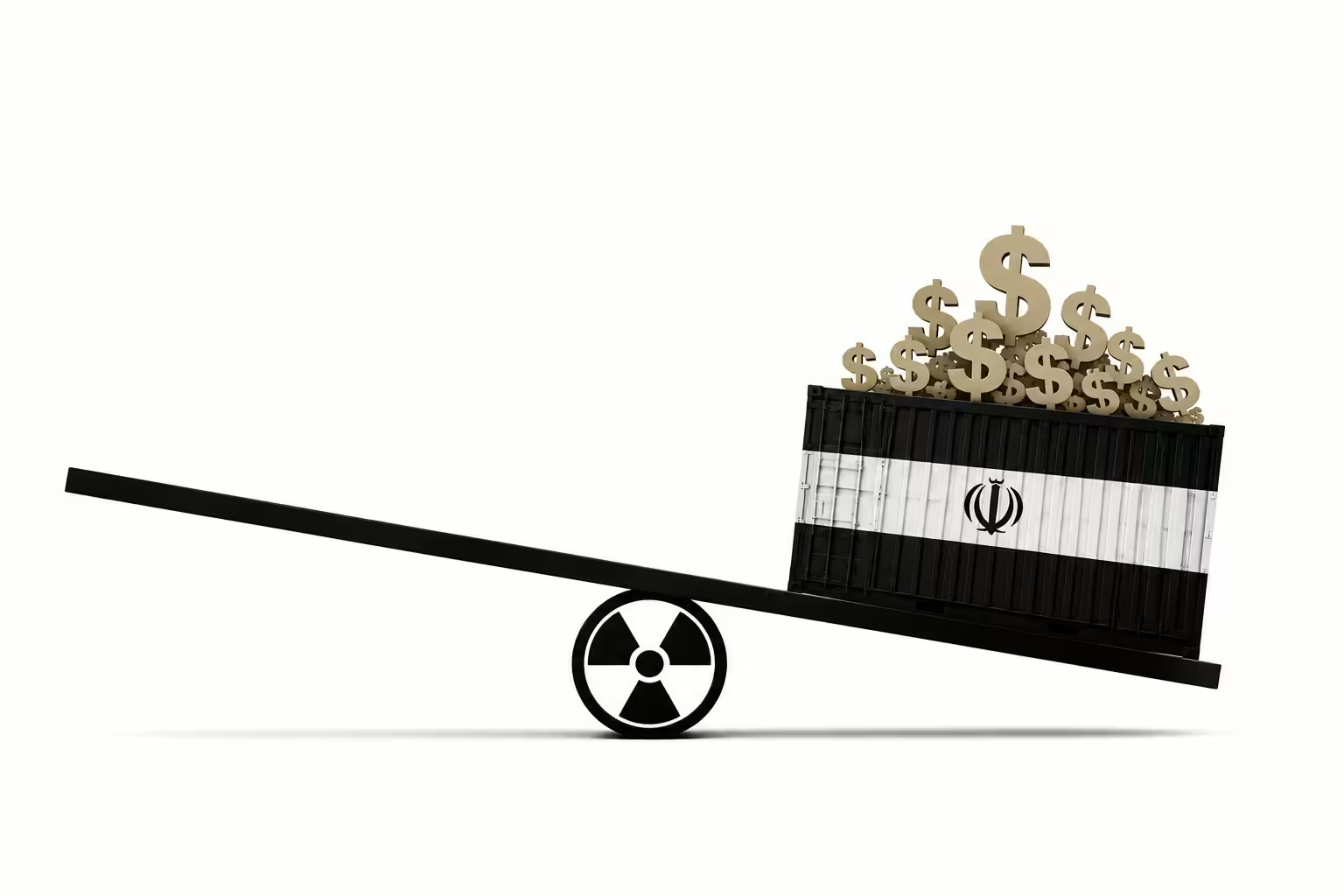
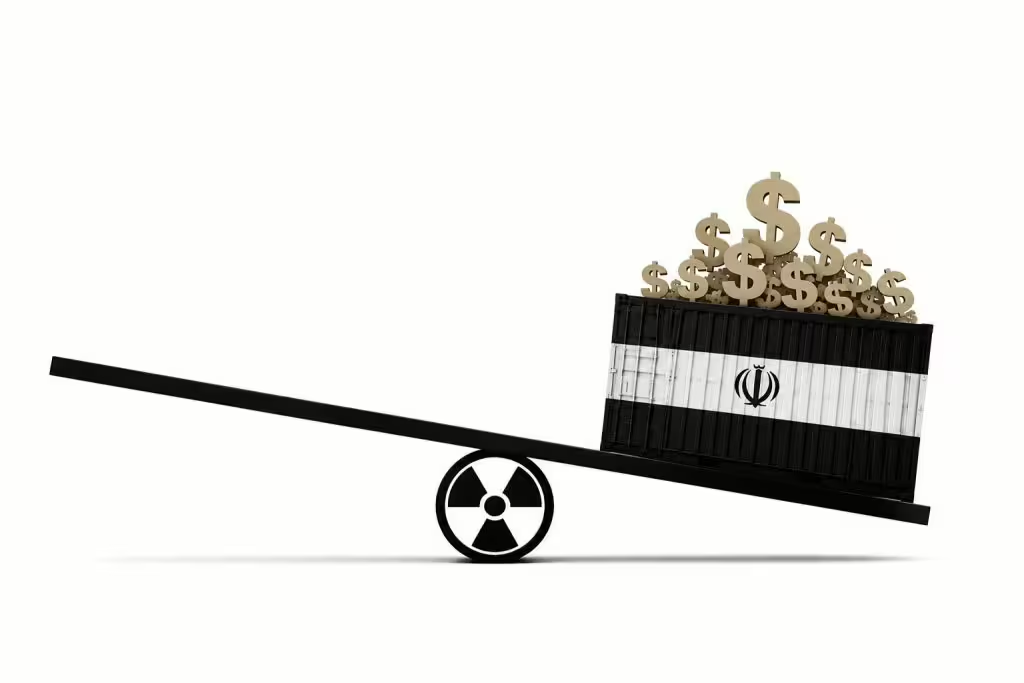
President Donald Trump denied that Washington is preparing to fund Iran under the expected peace agreement, pushing back against reports that Tehran could receive major economic incentives in exchange for compliance.
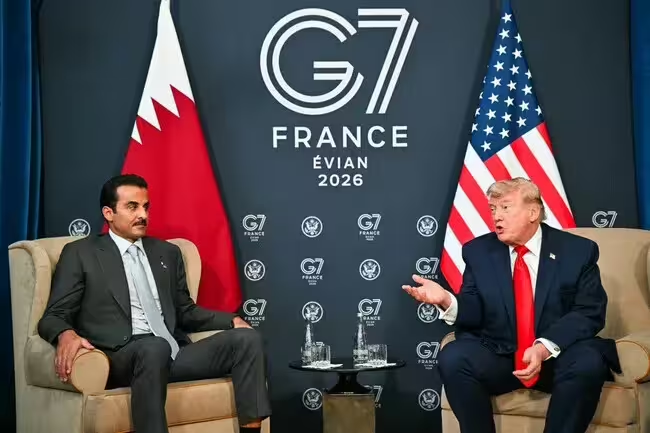
“We are not investing any money in Iran,” Trump told reporters at the G7 summit in France, calling the reports “ridiculous.”
Details
• Trump said Iran may eventually offer major investment opportunities after the damage caused by the war, but said that is not his immediate focus.
• Hezbollah and other parties have claimed the agreement could include a $300 billion investment fund for Iran.
• Vice President JD Vance did not reject the idea when asked about it, saying Iran could gain access to such a fund if it upholds its obligations.
• Vance later said Iran would “never get a dime” of U.S. taxpayer money.
• People close to Trump have framed the idea as a conditional investment mechanism, not a direct U.S. payment to Tehran.
• Trump adviser Alex Bruesewitz said Iran would first have to dismantle its nuclear program, end support for armed groups and carry out internal reforms.
• U.S. and Iranian officials are expected to sign the deal Friday in Geneva.
• The agreement is expected to reopen the Strait of Hormuz, a key route for global energy supplies.
• Oil prices fell after news of the deal and slipped Tuesday to around $80 a barrel.
What to watch
The fight now moves from the headlines to the text of the agreement.
If the deal includes a formal investment mechanism, Trump will face pressure from Republicans and Israeli officials who argue that economic incentives could give Tehran relief without fully removing the threat.
Trump’s message is clear: no direct U.S. money now. But the bigger question is whether future investment becomes the price of keeping Iran inside the deal.