The latest
The ceasefire between the United States and Iran is facing its most serious test yet after both sides exchanged new attacks, while diplomatic efforts remain stuck.
Trump said Iran had targeted U.S. positions in Kuwait, Bahrain, and Jordan in response to American strikes near the Strait of Hormuz. He later warned that Washington would launch further attacks, saying: “We’re going to hit them hard again today.”
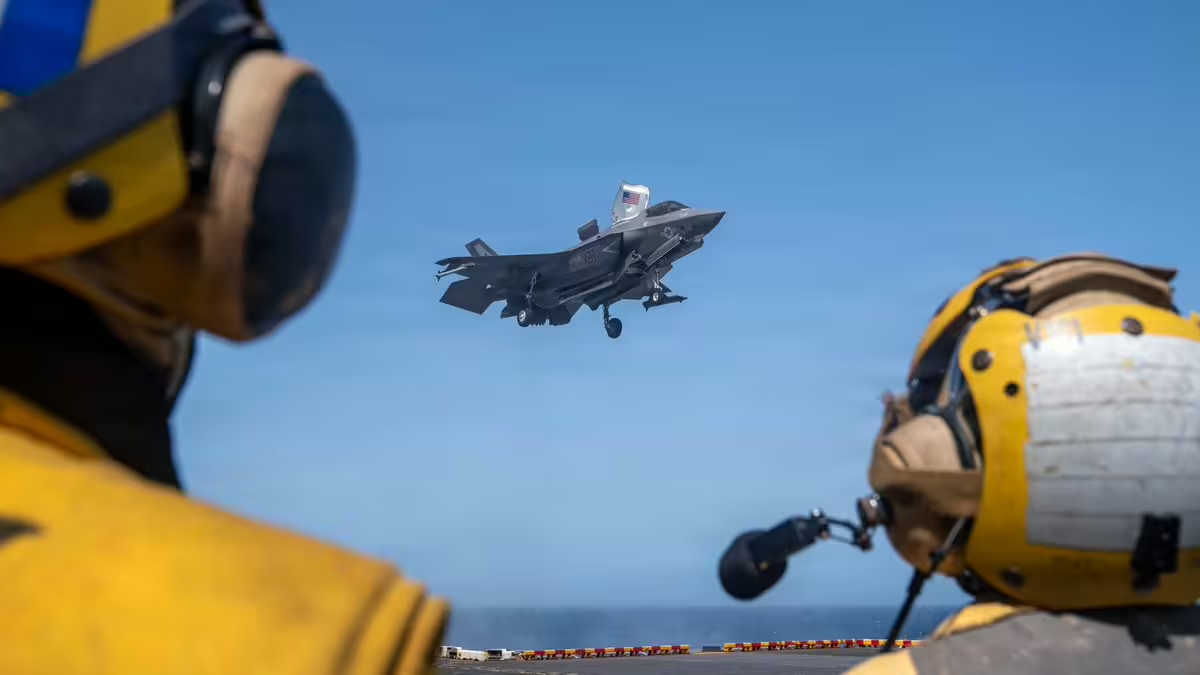
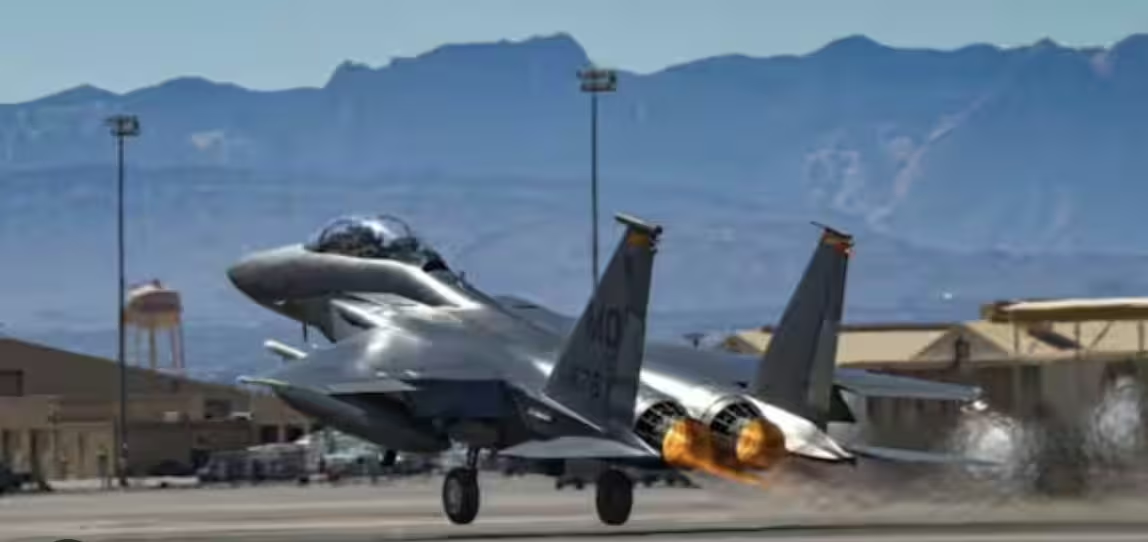
Hours later, U.S. Central Command announced additional “defensive strikes” against targets inside Iran. Iranian media subsequently reported explosions in the country’s south.
Despite the escalation, neither side appears eager to return to full-scale war. UN Secretary-General António Guterres described the situation as “more of a reduction in fire than a true ceasefire,” while both Washington and Tehran continue to publicly express interest in reaching an agreement.
Negotiations, however, remain stalled. Trump continues to insist that a deal is “very close,” while Vice President JD Vance has acknowledged that an agreement could still take weeks or even months.
Meanwhile, Iranian Parliament Speaker Mohammad Bagher Ghalibaf said Tehran prefers diplomacy but is prepared to respond if Washington fails to honor its commitments.
Details
• No publicly known direct talks have taken place since the April 11 meeting in Islamabad involving Vance, Steve Witkoff, Jared Kushner, and senior Iranian officials.
• Current diplomacy is largely limited to draft memoranda and messages exchanged through intermediaries, with major disagreements unresolved.
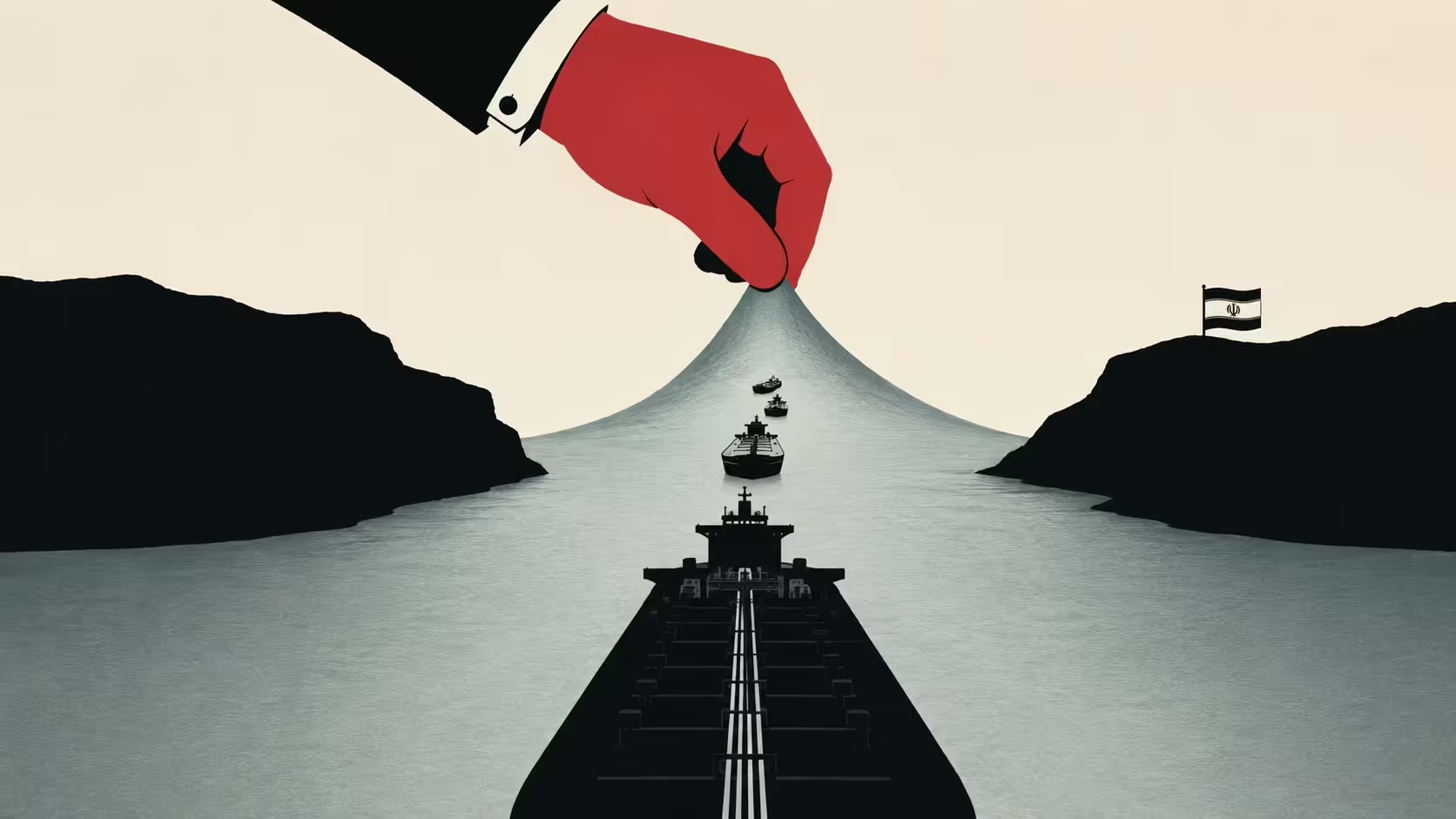
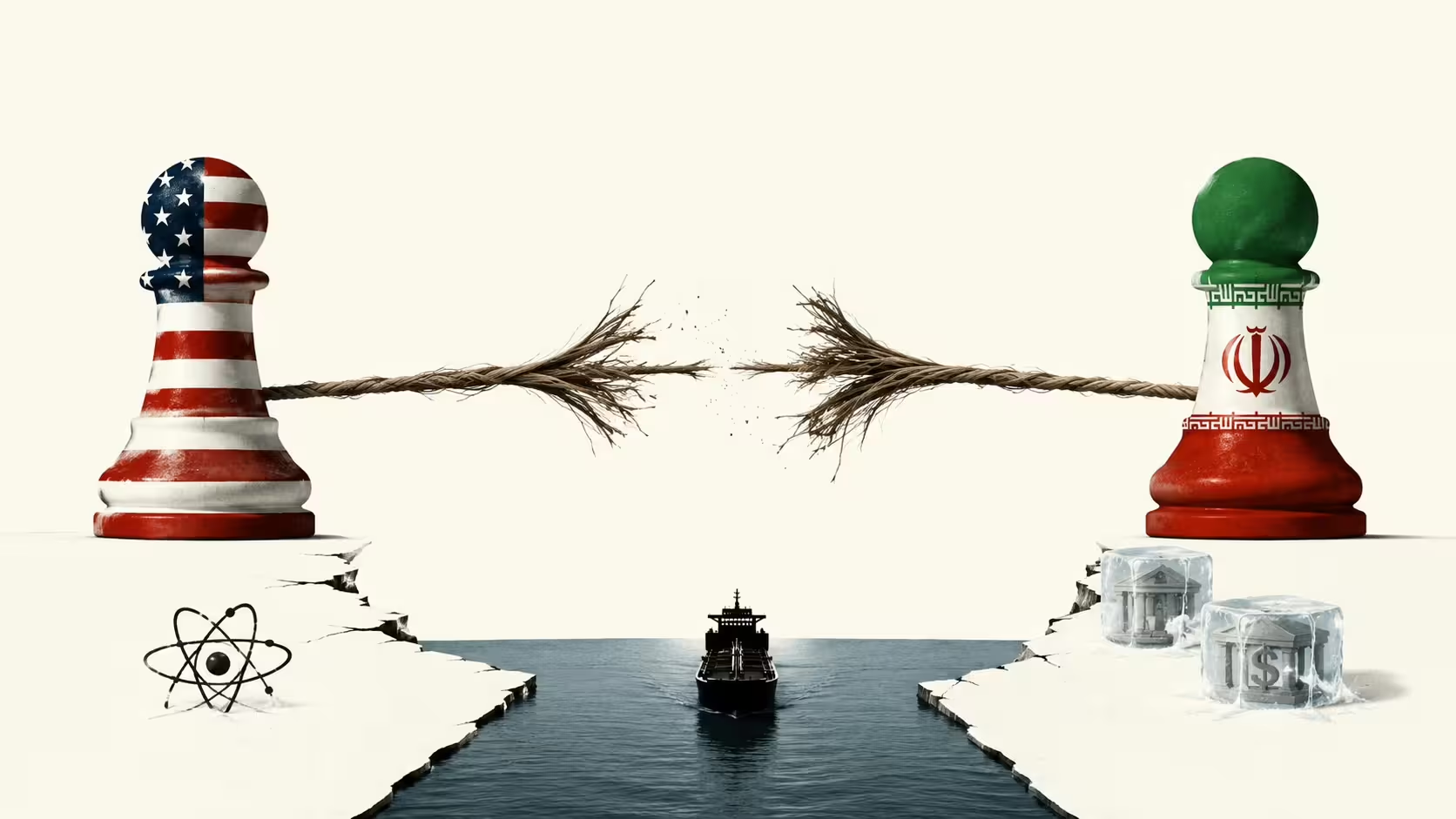
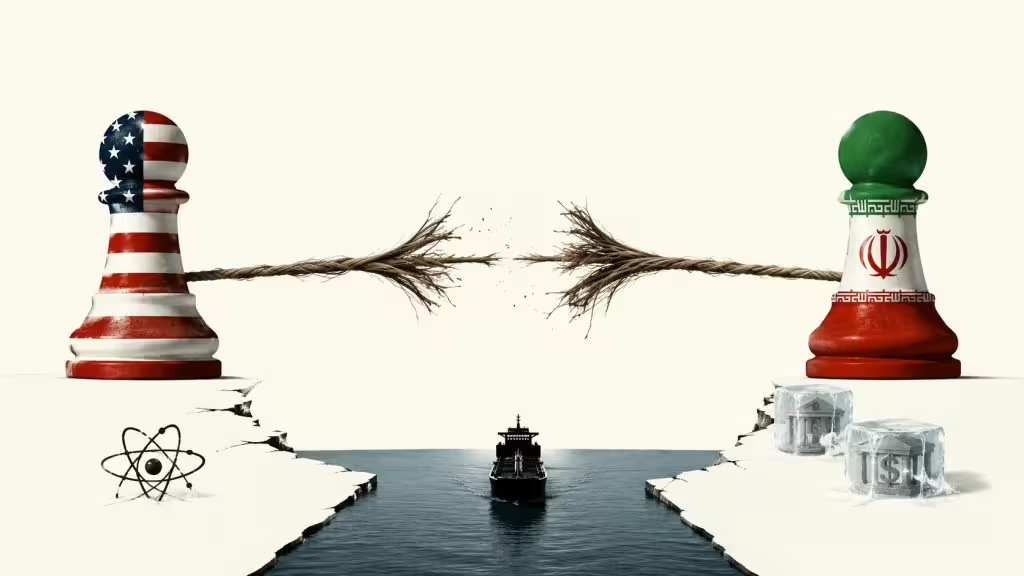
• Discussions center on three key issues: Iran’s nuclear program, reopening the Strait of Hormuz to international shipping, and the release of frozen Iranian assets.
• Tehran is seeking immediate access to roughly half of its estimated $24 billion in frozen funds upon signing a memorandum of understanding. The Trump administration says no funds will be released before a final agreement is reached.
• Iran insists on retaining the right to enrich uranium for civilian purposes, while U.S. officials continue to push for strict limits on enrichment. Washington has sent mixed signals on whether any future enrichment would be permitted.
• Iranian officials say the current draft focuses primarily on guaranteeing freedom of navigation through the Strait of Hormuz, with nuclear issues deferred to a separate 60-day negotiation phase.
• Trump is facing pressure from Republican hawks who favor maintaining military pressure on Tehran, while the conflict has strengthened hardline factions inside Iran, reducing political space for compromise.
What to watch
The key question is whether both sides can turn limited understandings on Hormuz into broader nuclear negotiations before the ceasefire collapses. The possibility of a deal remains alive, but major gaps between Washington and Tehran continue to stand in the way.