The latest
The United States expanded its military campaign against Iran for a second straight night after Trump declared that additional strikes would follow if Tehran refused to accept Washington’s proposed agreement.
U.S. Central Command (CENTCOM) said the operation targeted military surveillance capabilities, communications systems and air defense sites across Iran. The military described the strikes as a response to what it called continued and unjustified Iranian aggression.
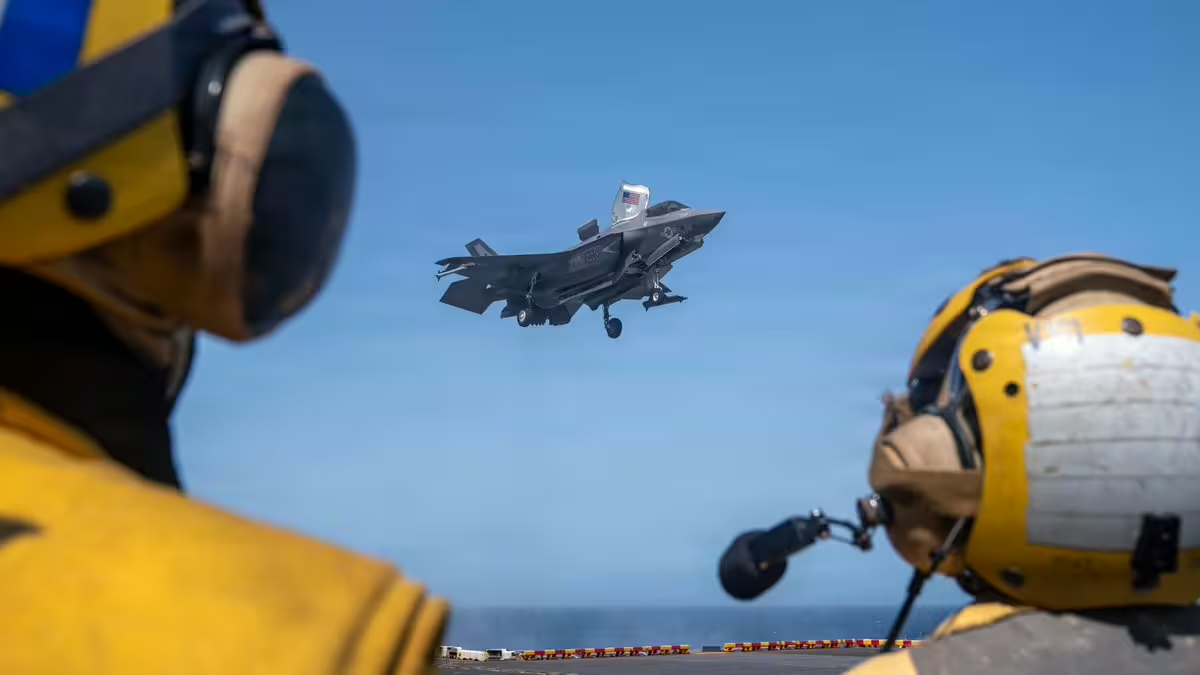
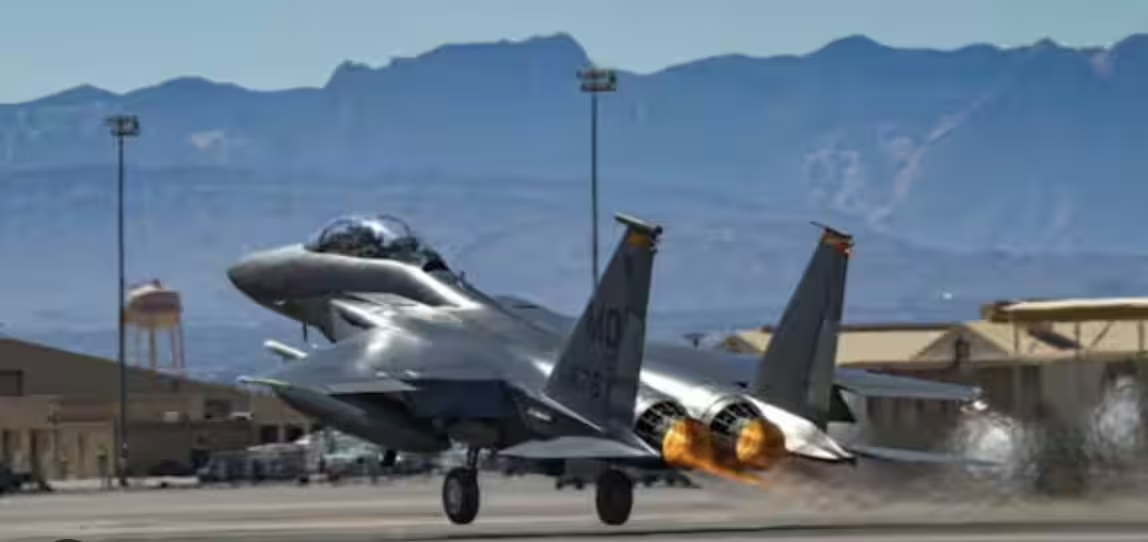
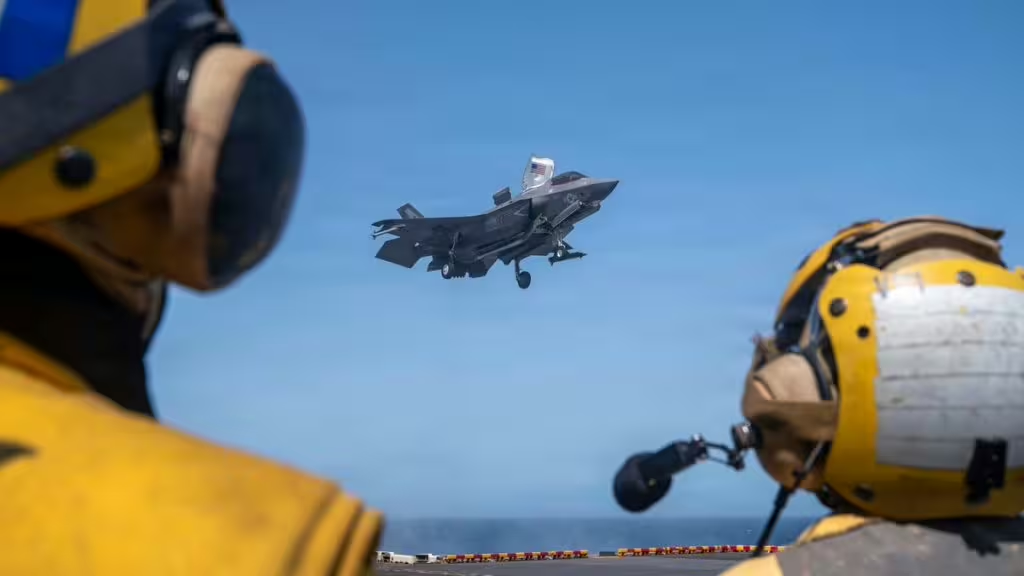
In an interview with Fox News, Trump said U.S. fighter jets were operating inside Iranian airspace and claimed Iranian officials had asked him to halt the attacks.
“If we don’t get a deal, we’ll bomb them again tomorrow,” Trump said.
He also denied any Israeli involvement in the latest operation and said U.S. forces launched dozens of Tomahawk missiles alongside air strikes.
Iran quickly rejected Trump’s account. A senior Iranian official told state media that his claims of communication with Iranian leaders were false. Iran’s armed forces also vowed a “strong and decisive” response to any American attack.
Details
• Iranian media reported explosions and air defense activity in Tehran, Fars province, Karaj and several other locations, although the full extent of the damage remains unclear.
• The Islamic Revolutionary Guard Corps (IRGC) said it launched attacks against U.S. targets in Kuwait and Bahrain in retaliation for the American strikes.
• The IRGC later announced the launch of 12 ballistic missiles at Jordan’s Zarqa Air Base, including facilities used for command and control operations.
• Kuwait temporarily closed its airspace and diverted incoming flights following the attacks.
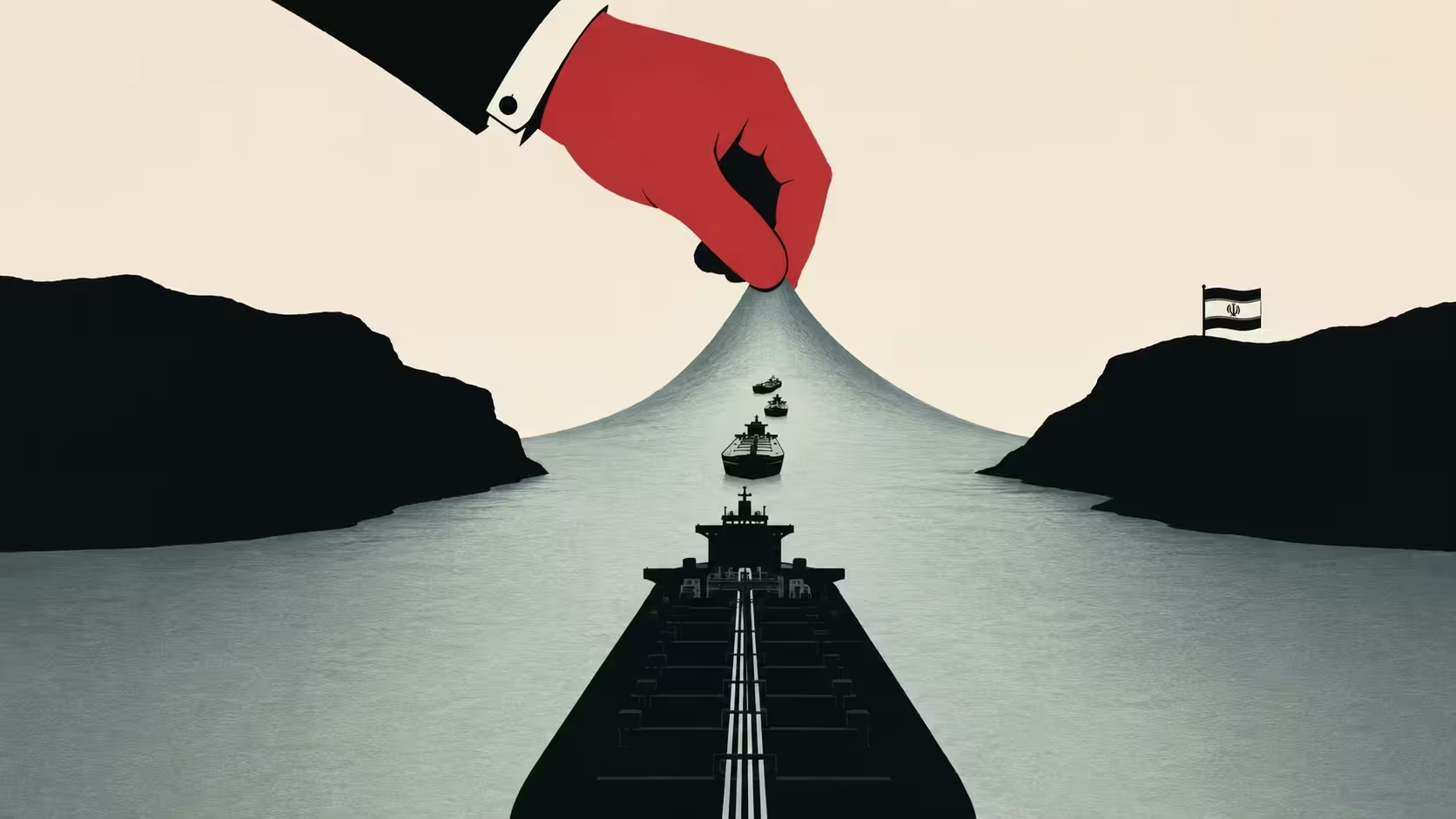
• Iran declared the Strait of Hormuz closed to shipping because of the security situation and warned that vessels attempting to pass through could be targeted. CENTCOM rejected the claim and said commercial shipping continued to move through the waterway.
• IRGC Aerospace Force commander Majid Mousavi threatened to turn the region into “hell” if U.S. military operations continue.
• Axios reported that Trump convened a Situation Room meeting to review additional military options, including a short but intense campaign designed to increase pressure on Tehran.
• Defense Secretary Pete Hegseth said the United States was prepared to carry out powerful strikes against key Iranian targets if Tehran continued delaying a deal.
Diplomacy under pressure
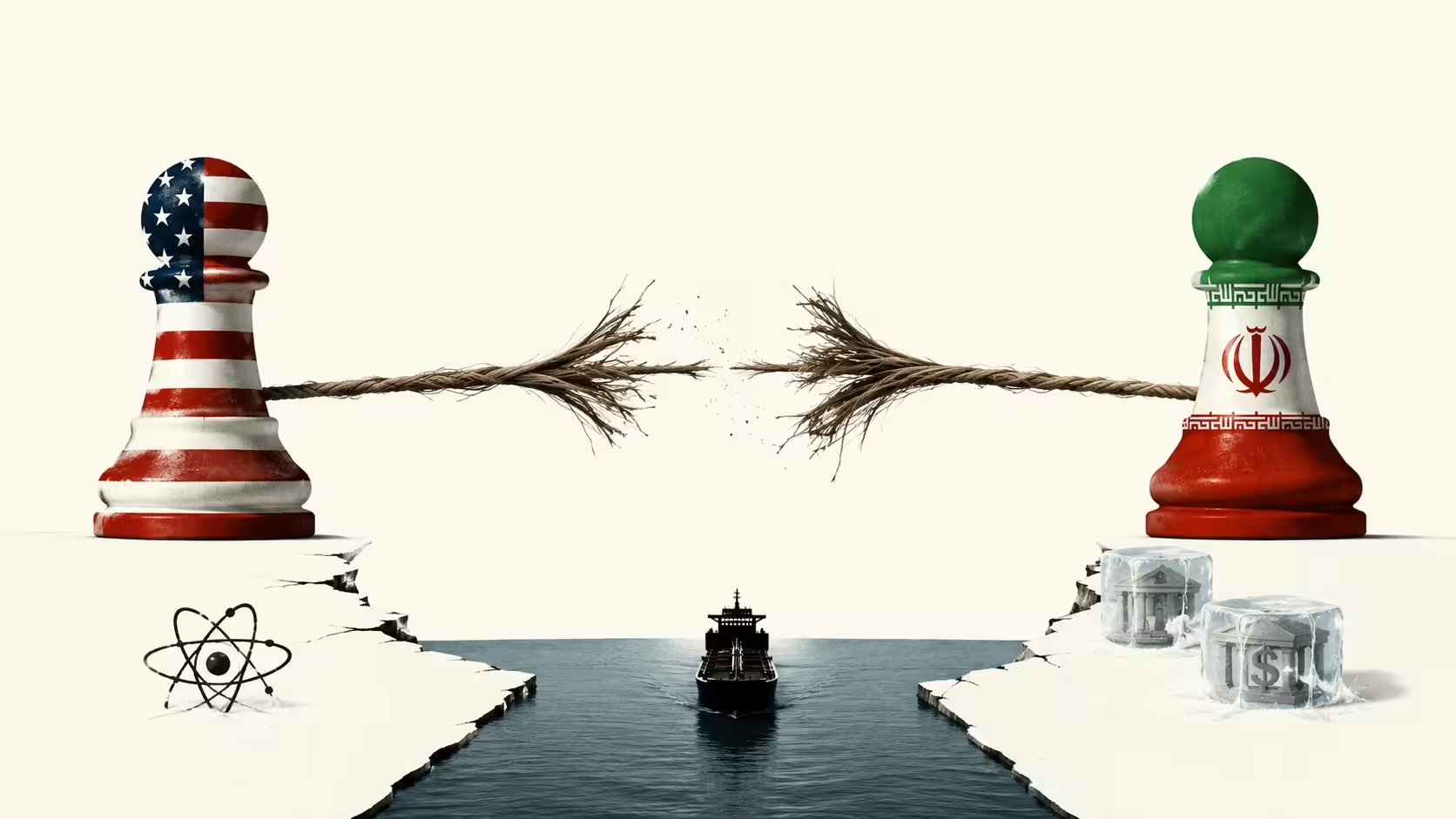
The military escalation has been accompanied by growing signs that diplomacy is stalling.
The New York Times reported that a Qatari mediation delegation left Tehran without achieving a breakthrough in talks between the United States and Iran, although other reports suggested the mediators remain in the country.
Meanwhile, Le Figaro reported tensions during Pakistani Army Chief Asim Munir’s visit to Tehran in May after efforts to arrange a meeting with Mojtaba Khamenei reportedly failed. According to the report, the issue became a point of friction during discussions linked to ongoing U.S.-Iran negotiations.
What to watch
The key question now is whether Trump will escalate from limited pressure strikes to a broader military campaign, or whether the repeated attacks will push Tehran back toward negotiations. Israel, meanwhile, remains on high alert amid concerns that any further Iranian retaliation could widen the conflict across the region.