The latest
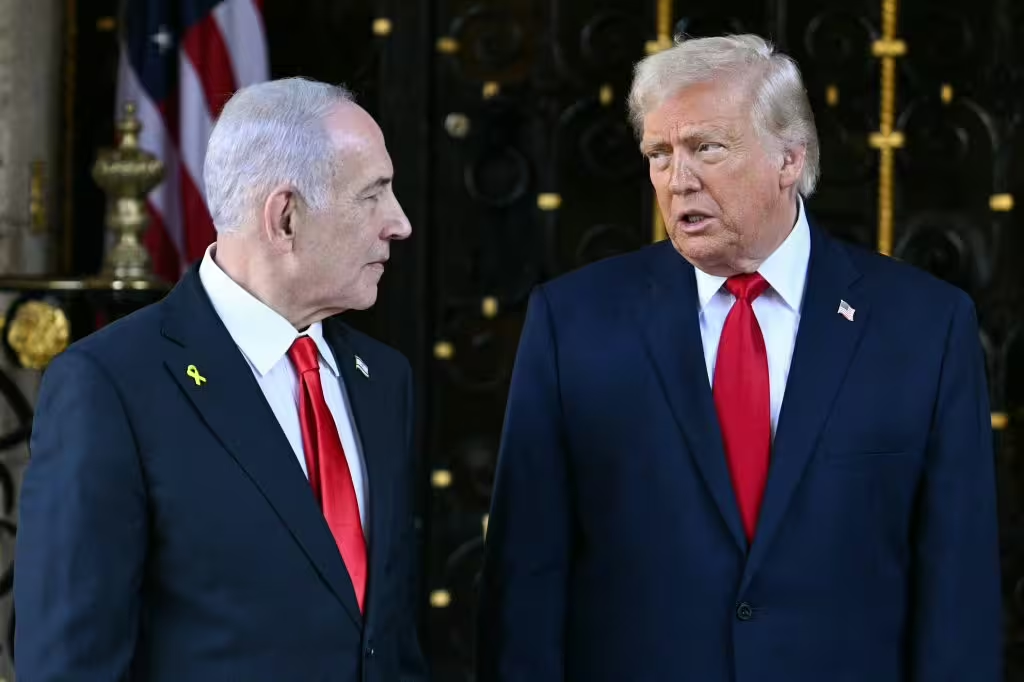
President Donald Trump has sought to downplay reports of a rift with Israeli Prime Minister Benjamin Netanyahu after Israel carried out strikes inside Iran despite Trump’s public calls to avoid further escalation.
Speaking to the BBC, Trump dismissed the idea that Netanyahu had defied him.
“If I ask him to do something, he does it,” Trump said.
His comments came after the most serious direct confrontation between Israel and Iran since the ceasefire announced in April. Tehran launched missiles toward Israel in what it described as retaliation for Israeli strikes in Beirut, prompting Israeli attacks on targets inside Iran.
Details
• Trump had publicly said he would contact Netanyahu to discourage any Israeli retaliation that could jeopardize ongoing diplomacy with Tehran. Hours later, Israel carried out its strikes.
• Despite perceptions of disagreement between Washington and Jerusalem, the scale of the operation suggests close military coordination between the two allies.
• Israeli officials said there was “full coordination” with U.S. Central Command during the latest round of fighting.
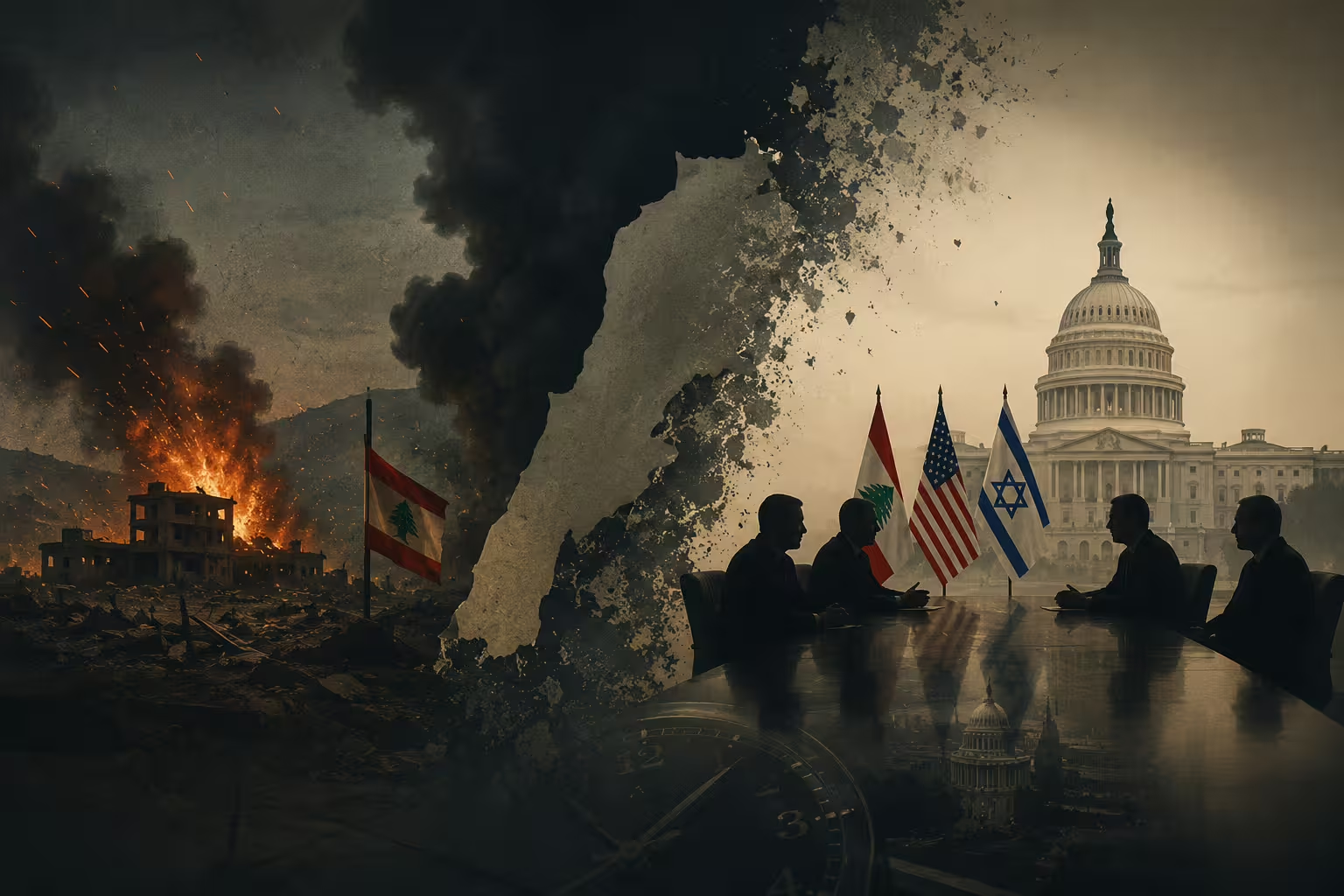
• Tensions between Trump and Netanyahu are not new. Trump recently acknowledged rebuking the Israeli leader over strikes in Lebanon, arguing they complicated his efforts to secure a broader understanding with Iran.
• Tehran, meanwhile, views any visible friction between Washington and Jerusalem as an opportunity to strengthen its negotiating position.
• Iranian President Masoud Pezeshkian said recent military actions had reinforced Iran’s leverage in talks with the United States, while stressing that diplomacy remains on the table.
Why it matters
The latest confrontation highlighted three realities shaping the current crisis.
First, Trump’s ability—or willingness—to restrain Israel appears more limited than his public statements sometimes suggest.
Second, Iran has shown it is prepared to link its conflict with the United States to the broader regional confrontation involving Israel and Hezbollah.
Third, a U.S.-Iran agreement still appears some distance away. Tehran seems to believe Washington is eager to avoid another war and may therefore be willing to offer additional concessions.
What to watch
The current pause in fighting remains highly fragile. Israel and Iran have both signaled that they are prepared to respond forcefully to any future violations.
At the same time, Trump continues to insist that an agreement with Tehran is within reach. The unresolved issues, however—including sanctions relief, frozen Iranian assets, regional security arrangements, and Iran’s nuclear program—suggest that significant obstacles remain before a deal can be finalized.