Details
- The US and Iran exchanged a new round of strikes around the Gulf, testing an already fragile ceasefire as talks over the Strait of Hormuz, sanctions and Iran’s nuclear programme remain unresolved.
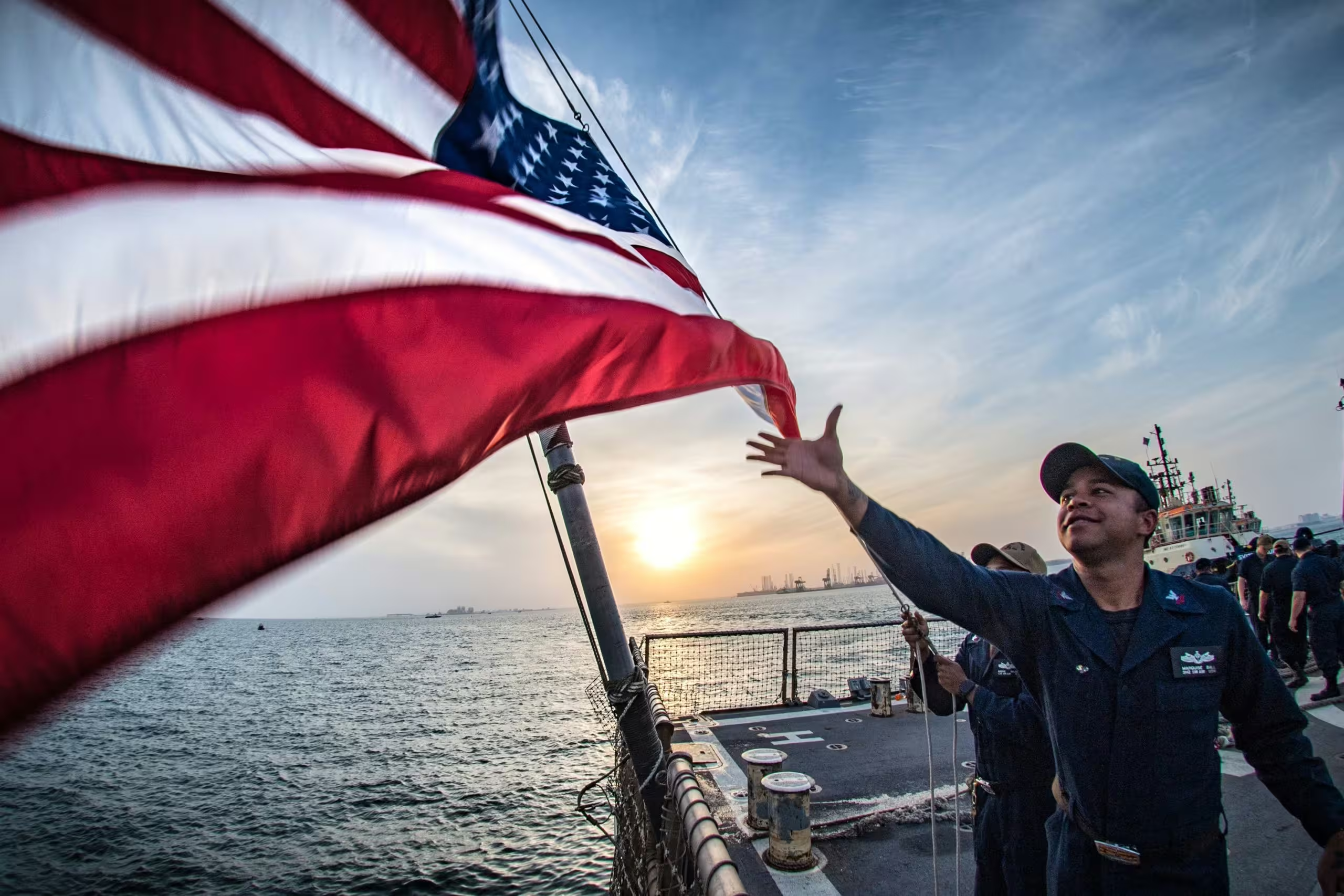
- US Central Command said it launched “self-defense” strikes on an Iranian military ground control station on Qeshm Island, near the Strait of Hormuz.
- CENTCOM said the strikes came after Iranian drones were launched toward civilian vessels that were transiting regional waters.
- The US military also said Iran fired missiles toward Bahrain and Kuwait, where US military facilities are located, but the projectiles were intercepted, broke apart or fell short before hitting their targets.
- Iran’s Revolutionary Guards said the attacks were retaliation for US strikes and blockade measures in the Gulf. The group also claimed to have targeted US-linked military positions and vessels, although CENTCOM denied that the US Fifth Fleet headquarters had been hit.
- The latest escalation followed a US operation against the Botswana-flagged M/T Lexie, an unladen oil tanker sailing toward Iran’s Kharg Island.
- CENTCOM said the tanker ignored repeated warnings over a 24-hour period before a US aircraft fired a Hellfire missile into its engine room, disabling the vessel.
- US officials said six commercial vessels have been disabled and another 122 redirected since Washington’s blockade around the Strait of Hormuz began on April 13.
- The clashes came after ceasefire negotiations failed to advance over the weekend. Iran accused Washington of changing its demands and putting forward contradictory terms, while Trump insisted talks were continuing and said Iran still wanted a deal.
- Secretary of State Marco Rubio told Congress that the US had not offered Iran sanctions relief simply in exchange for reopening the Strait of Hormuz. He said any relief would be conditional and tied to Iran’s nuclear programme.
- Rubio also said diplomacy had become more difficult because messages were being exchanged through intermediaries and written responses were taking days.
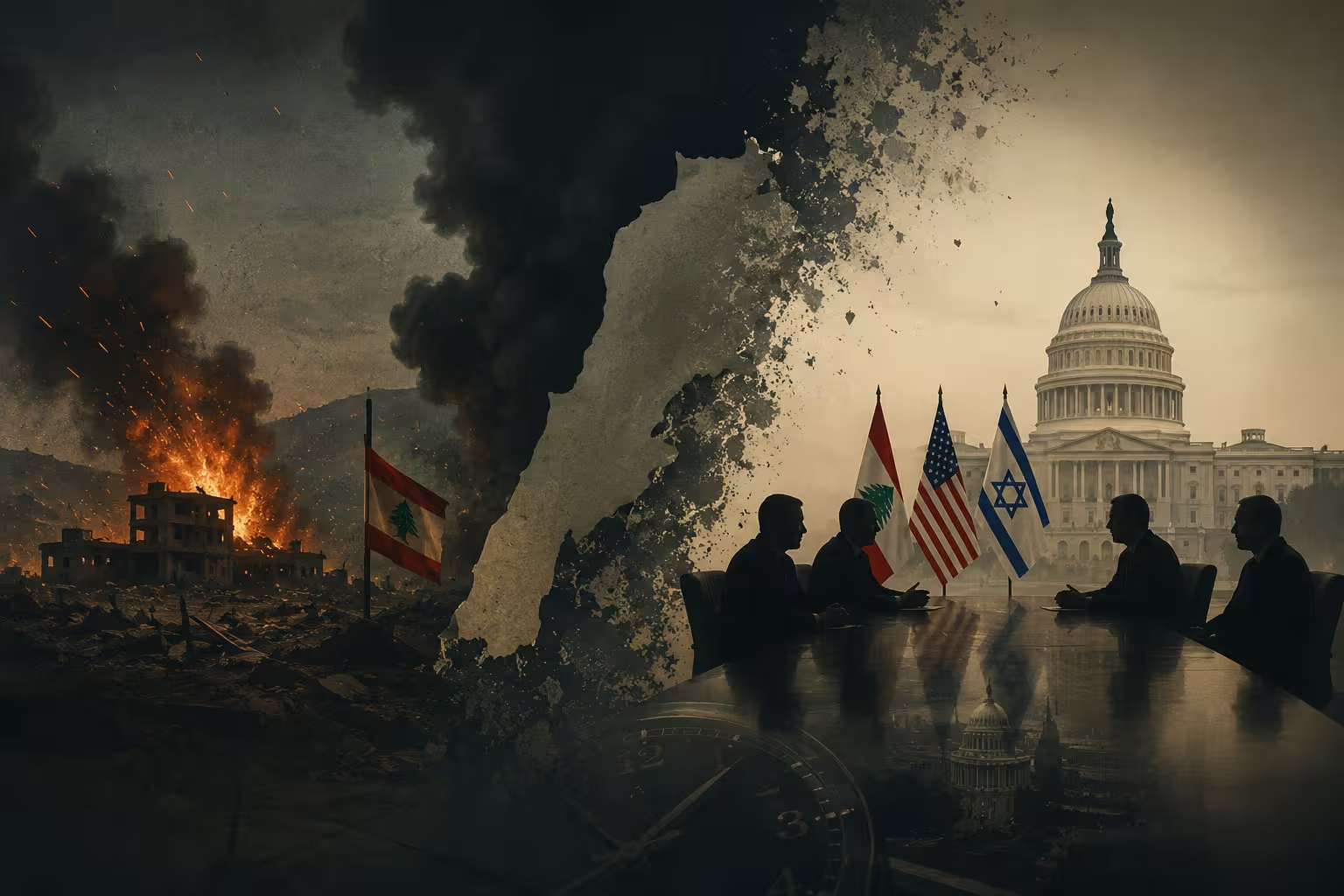
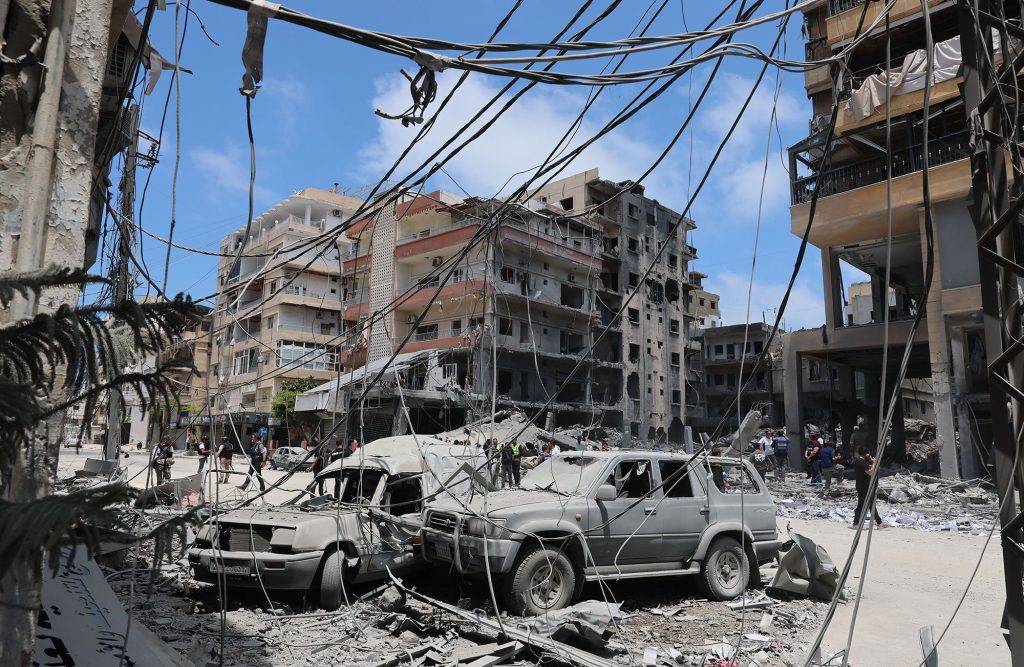
- The wider regional track remains complicated by Lebanon, where Israel has continued strikes against Hezbollah. Iran has pushed for Lebanon to be included in any broader settlement, while US-mediated talks involving Lebanese and Israeli officials are also underway.
What Else
The exchanges show how fragile the ceasefire remains. Both sides continue to suggest diplomacy is possible, but military clashes around the Strait of Hormuz are keeping pressure on shipping, Gulf states and global energy markets. The next test is whether indirect talks can produce a framework on Hormuz, sanctions and Iran’s nuclear programme before further strikes pull more regional actors into the conflict.