The Latest:
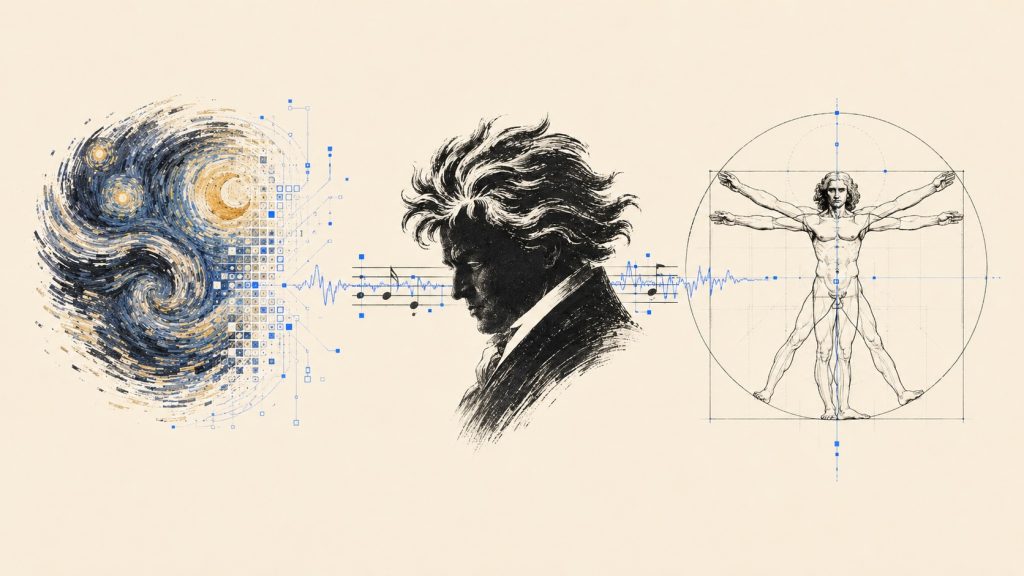
Artificial intelligence is entering a more profound phase in culture and the arts. It has evolved beyond a mere support tool to become an integral part of how texts, images, music and cultural heritage are produced, preserved and presented.
The discussion has moved on from whether AI can generate fast or visually striking content. It now addresses the fundamental nature of art: can creativity retain its human essence when algorithms play a growing role in its creation?
Details
• Cultural institutions are deploying AI tools to digitize manuscripts, analyze historical texts and translate classical works, thereby improving global accessibility.
• Supporters argue that these tools help bring heritage closer to younger generations through interactive displays, visual explanations and rapid translation.
• Critics caution that excessive reliance on automation risks flattening cultural nuances and reducing heritage to simplified content lacking proper context.
• In visual arts, AI-generated works are gaining prominence, from immersive installations to collaborative projects involving artists, engineers and data specialists.
• In music and literature, AI can now produce texts, melodies and styles that closely resemble human output, expanding experimentation while heightening concerns over imitation and style theft.
• The core challenge lies not only in AI’s production capabilities but in culture’s ability to safeguard meaning, emotion and authorial identity within the process.
• Media and cultural organizations are experimenting with AI to reduce costs, accelerate production and reach broader audiences.
• This creates mounting pressure on jobs in writing, design, editing and other creative services that can be automated.
• The need for regulation is growing amid rising risks of algorithmic bias, misinformation, copyright conflicts and the potential standardization of cultural tastes across platforms.
What to Watch
The central question remains how artists and institutions can harness AI without reducing creativity to a soulless automated product, and without leaving authors’ and creators’ rights in a legal gray area.