Details
- Ghana chartered a flight carrying 297 citizens from Johannesburg to Accra after rising anti-immigrant protests in South Africa triggered fears of renewed xenophobic violence.
- Ghanaian officials said more citizens are expected to leave in the coming days, with around 800 to 890 Ghanaians registered for repatriation.
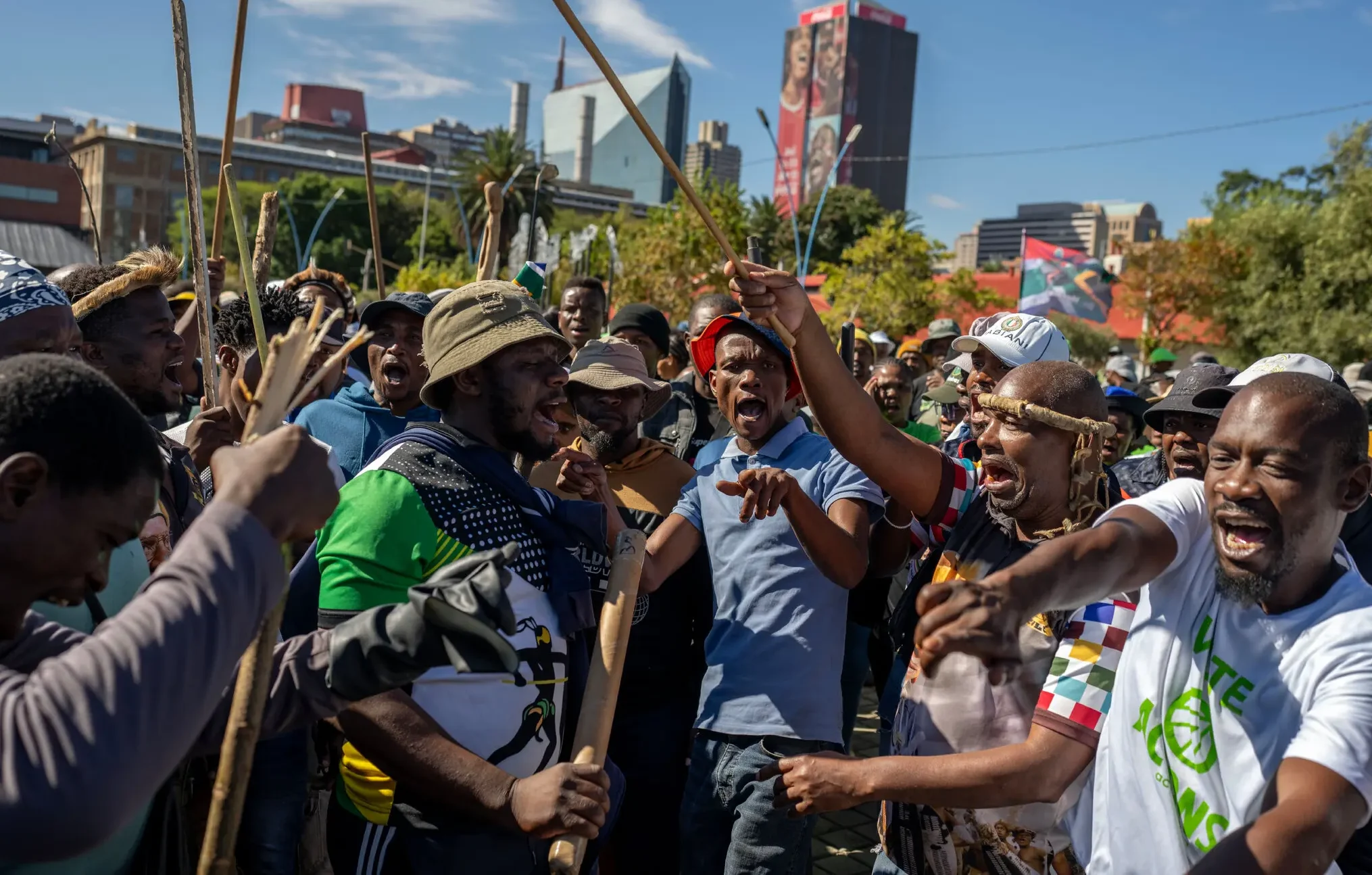
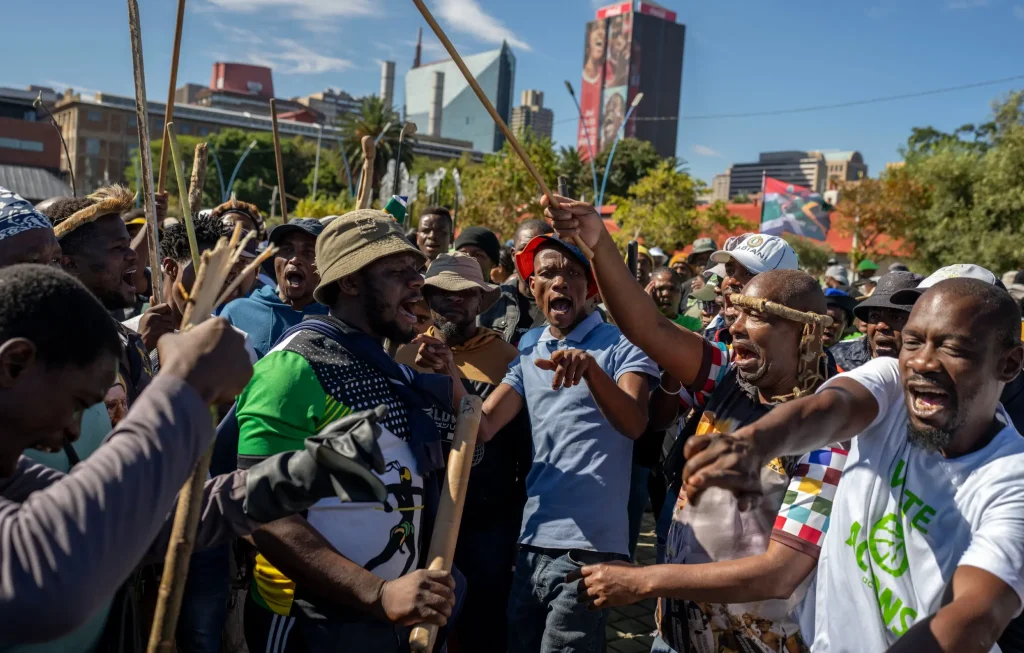
- The protests have been driven by groups including March and March, which says undocumented migrants are putting pressure on jobs, housing, healthcare and public services.
- The group has set a June 30 deadline for undocumented migrants to leave South Africa, raising fears among foreign nationals that protests could escalate into violence.
- Several migrants told media outlets they no longer felt safe after threats, assaults and attacks on foreign-owned businesses. Some foreigners have also sought protection outside South Africa’s home affairs offices in Durban.
- Human Rights Watch said vigilante groups targeted African and Asian foreign nationals during April and May protests, and accused authorities of failing to provide adequate protection or accountability.
- South African officials condemned violence against foreign nationals and warned that civilians must not enforce immigration law, but rights groups say prevention remains weak and arrests are limited.
- South Africa has faced repeated waves of xenophobic violence, including attacks in 2008, when 62 people were killed, and in 2019, when at least 12 people died.
- Ghana and Nigeria have both criticised the attacks and raised concerns with South African officials, increasing diplomatic pressure on Pretoria.
- Analysts say high unemployment, poor services, political rhetoric and upcoming local elections are fuelling anti-immigrant sentiment, while researchers warn migrants are being scapegoated for deeper economic problems.
What Else
The June 30 deadline is now the immediate flashpoint. South Africa’s challenge is to manage legitimate immigration concerns without allowing vigilante groups to threaten or attack foreign nationals. The issue is also becoming a regional diplomatic test, with pressure growing for Pretoria to protect migrants, investigate attacks and prevent another cycle of xenophobic violence before local elections.