The latest
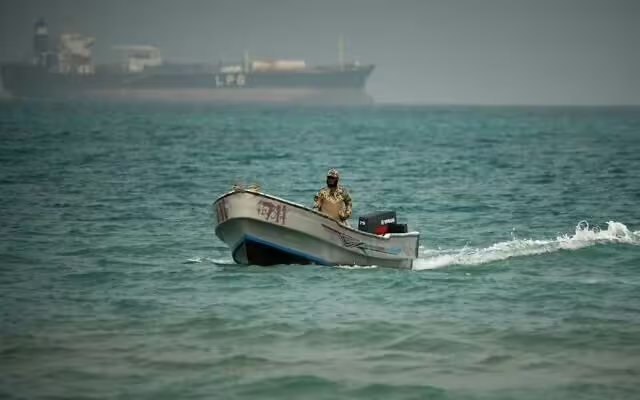
Yemen’s Iran-backed Houthi movement announced a maritime blockade on Saudi Arabia, saying the measure takes effect immediately under what it called a policy of “blockade for blockade.” Saudi Arabia condemned the move, while the Saudi-led coalition said it would confront any threat to navigation “with firmness and force,” raising the risk of disruption along one of the world’s most critical energy corridors.
Details
- Houthi announcement: Military spokesman Yahya Saree said the blockade was a response to what the group described as Saudi Arabia’s continued blockade of Yemen, warning Riyadh of broader escalation if it retaliates.
- Saudi response: Saudi Arabia’s Foreign Ministry rejected the accusations and said the Kingdom would take all necessary measures under international law to protect its vessels.
- Coalition stance: The Saudi-led coalition said it had begun implementing security measures for ships transiting the Bab al-Mandab Strait and vowed to respond decisively to any Houthi threat.
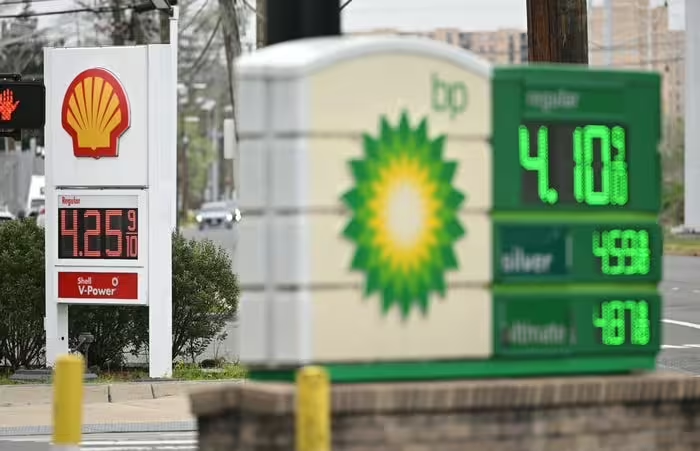
- Economic impact: Saudi Arabia has increasingly relied on Red Sea export terminals to bypass Gulf disruptions. According to Kpler, more than 3.6 million barrels per day of crude oil and refined products have recently been exported through the route, while any disruption could affect more than 3% of the global oil market.
- Diplomatic track: At the same time, Reuters reported that mediators had presented Tehran with a proposal for a 10-day ceasefire aimed at reviving negotiations with Washington, although neither side has announced acceptance.
Background
The Houthis have controlled large parts of northern Yemen, including the capital Sanaa and much of the Red Sea coast, since 2014. During the Gaza war, they targeted commercial shipping in the Red Sea and Gulf of Aden with missiles and drones, forcing many shipping companies to reroute vessels around the Cape of Good Hope, significantly increasing transport costs. Analysts say the group’s military actions have become increasingly tied to the broader confrontation between Iran and the United States, given Bab al-Mandab’s strategic role as one of the world’s most important trade and energy chokepoints.
Between the lines
If Bab al-Mandab is disrupted while instability continues in the Strait of Hormuz, global energy markets could face simultaneous pressure on two of the Middle East’s most vital export routes—a scenario closely watched by oil traders and the shipping industry.
What to watch
Markets will closely monitor whether the Houthis move from threats to enforcement, how the Saudi-led coalition responds to any attacks on commercial shipping, and whether diplomatic efforts can produce a ceasefire between Washington and Tehran.