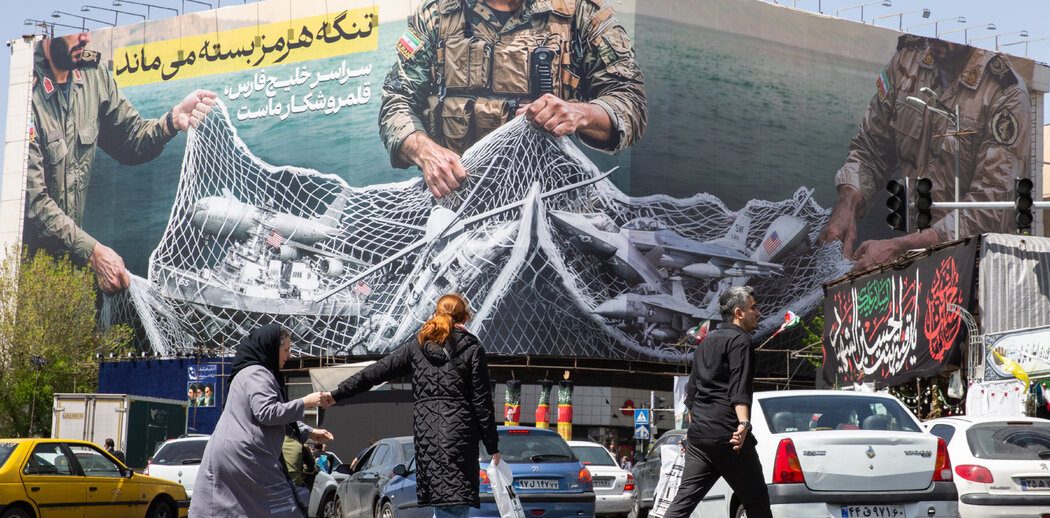
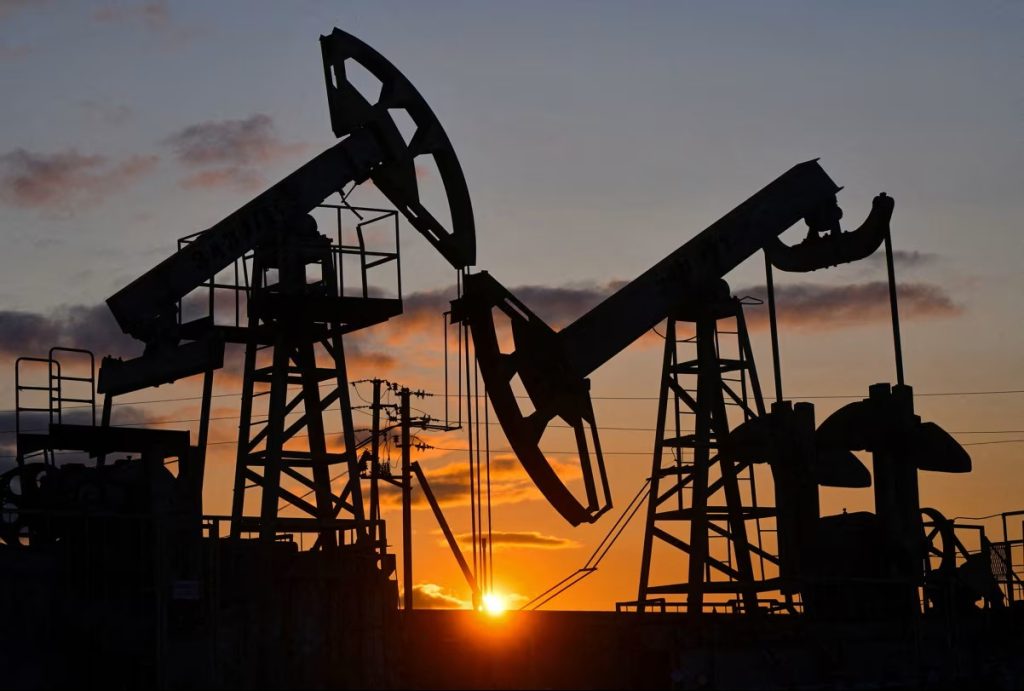
The Iran conflict has given a strong boost to Russia’s economy, as higher oil prices and increased global energy demand have lifted Kremlin revenues and helped fund its military operations in Ukraine. The crisis has also opened new opportunities for Russia to strengthen its position in gas and fertilizer markets amid supply disruptions from the Middle East.
Experts say Moscow has emerged as a key beneficiary of the escalation, now able to sell its oil at market prices after a period of steep discounts driven by Western sanctions.
Details
After heading toward a budget crisis before the war, rising prices have eased financial pressure on Russia, prompting the Kremlin to delay spending cuts until 2027.
By mid-March, Russia’s Urals crude surged to around $90 per barrel, double its February level. Even smaller price increases have generated billions of dollars in monthly revenue, a significant portion of which flows directly into state coffers.
Oil and gas revenues account for roughly a quarter of Russia’s federal budget, making them a key pillar in financing the war in Ukraine.
At the same time, the conflict has reshaped markets by:
- Increasing India’s purchases of Russian oil to offset reduced Middle East supply.
- Leading some buyers to pay higher prices for Russian crude than for benchmark oil.
- Prompting temporary easing of certain US restrictions to keep oil flowing into global markets.
Beyond oil, Russia is benefiting from disruptions to trade through the Strait of Hormuz. As one of the world’s largest exporters, Moscow is seeing rising demand, particularly from African countries.
The crisis may also strengthen Russia’s position in gas markets, with possible reconsideration of European plans to phase out Russian gas and growing Chinese interest in joint infrastructure projects.
Despite these gains, pressures remain:
- Rising global shipping and trade costs.
- Inflation expected to reach around 6%.
- Economic growth slowing to below 1% this year.
This highlights that current gains are temporary and do not resolve the deeper structural challenges facing Russia’s economy.
What’s next?
Russia’s gains will depend on how long the conflict lasts, as global attention turns to how high energy prices will shape policy decisions in China, India, and Europe.