The latest
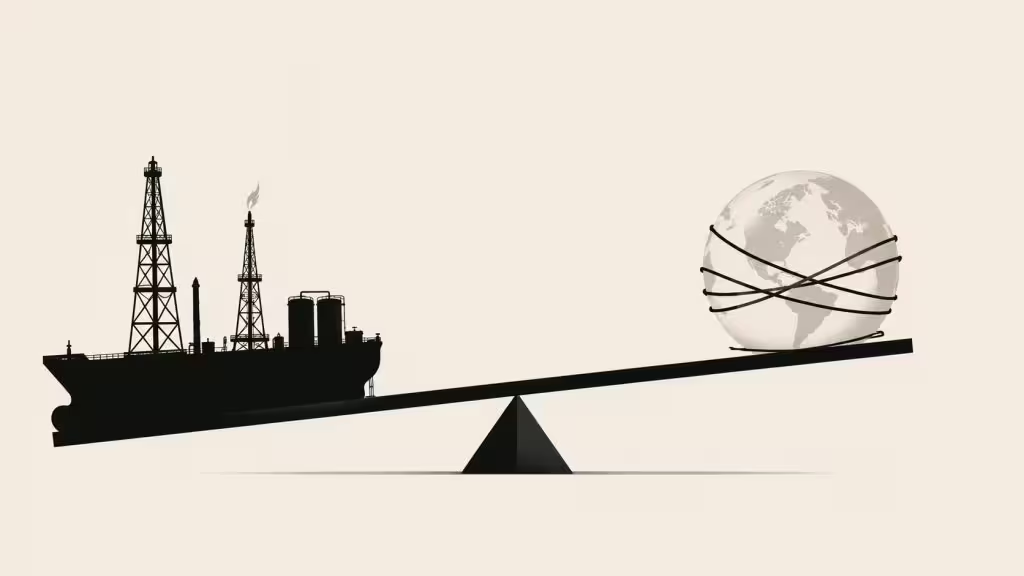
The U.S.-Iran agreement may have brought the conflict closer to an end, but economists increasingly believe the war has already reshaped the global economy in ways that are unlikely to be reversed.
Markets rallied and oil prices retreated after the deal was announced. Yet governments, investors, and businesses are now rethinking energy security, supply chains, and long-term investment strategies.
Details
• The World Bank has cut its 2026 global growth forecast to 2.5%, warning that the conflict has increased energy costs, inflationary pressures, and borrowing expenses worldwide.
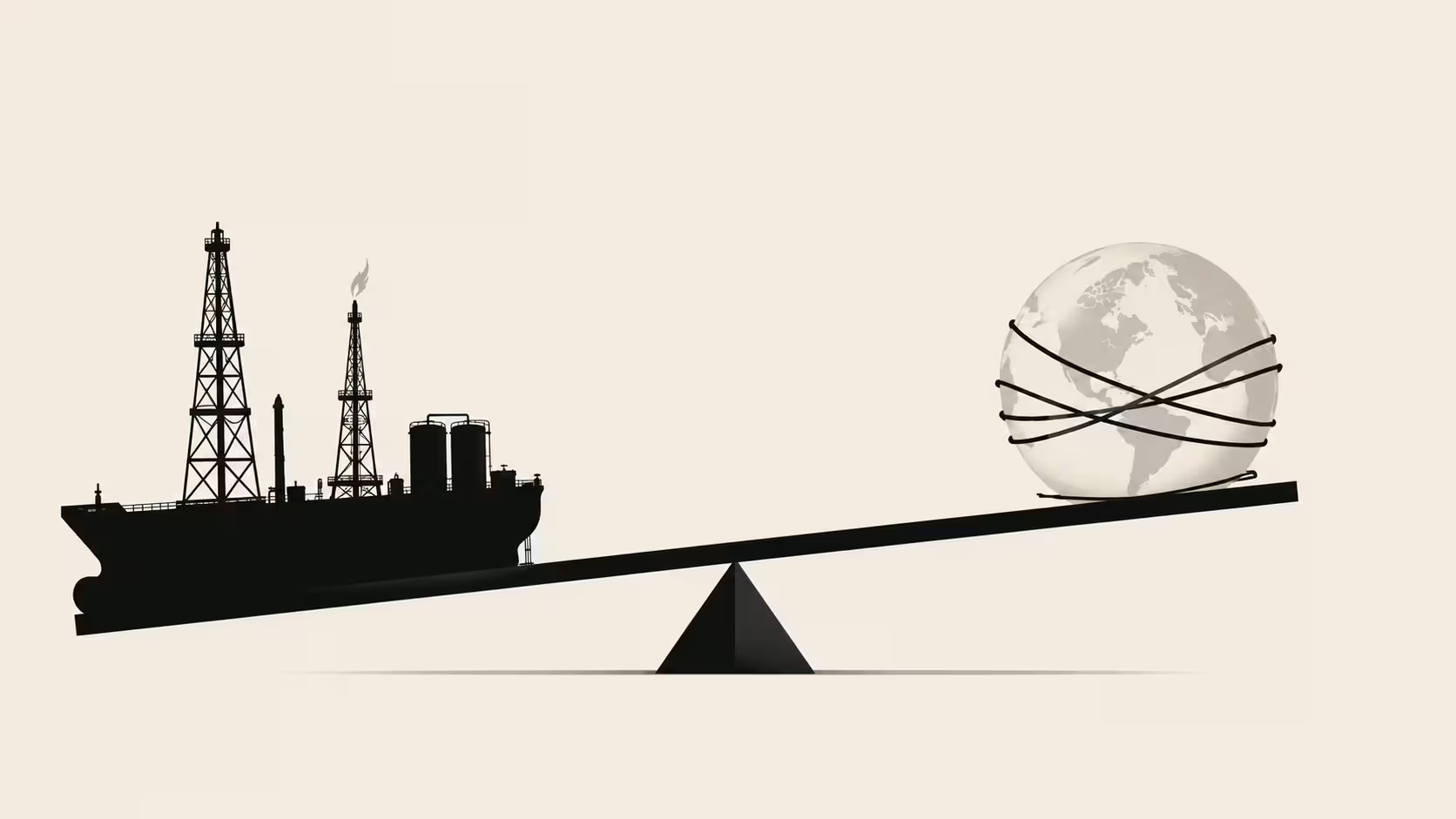
• Analysts do not expect oil and gas markets to return quickly to pre-war conditions. Damage to infrastructure, shipping disruptions, and the restructuring of supply networks are likely to have lasting effects.
• The crisis has accelerated efforts across Europe and Asia to reduce dependence on Middle Eastern energy through greater investment in renewables, nuclear power, and alternative suppliers.
• China appears well positioned to benefit from this shift. Its dominance in solar panels, batteries, power-grid equipment, and clean-energy technologies could translate into greater economic and geopolitical influence.
• Energy producers outside the Gulf, including the United States and several Latin American countries, have gained from higher prices and growing demand for alternative supplies.
• Confidence in the Strait of Hormuz has been shaken. Even after the ceasefire and diplomatic progress, shipping companies and insurers remain cautious about one of the world’s most important trade routes.
• The International Monetary Fund has warned that the impact extends beyond energy markets, affecting inflation, investment, financial conditions, and global supply chains.
What to watch
The key question is no longer whether the war will end, but whether confidence will return.
If concerns over the security of the Strait of Hormuz persist, or if regional tensions flare up again, what began as an energy shock could become a lasting turning point for the global economy, accelerating efforts to diversify trade routes and energy supplies away from the Gulf.