
The latest
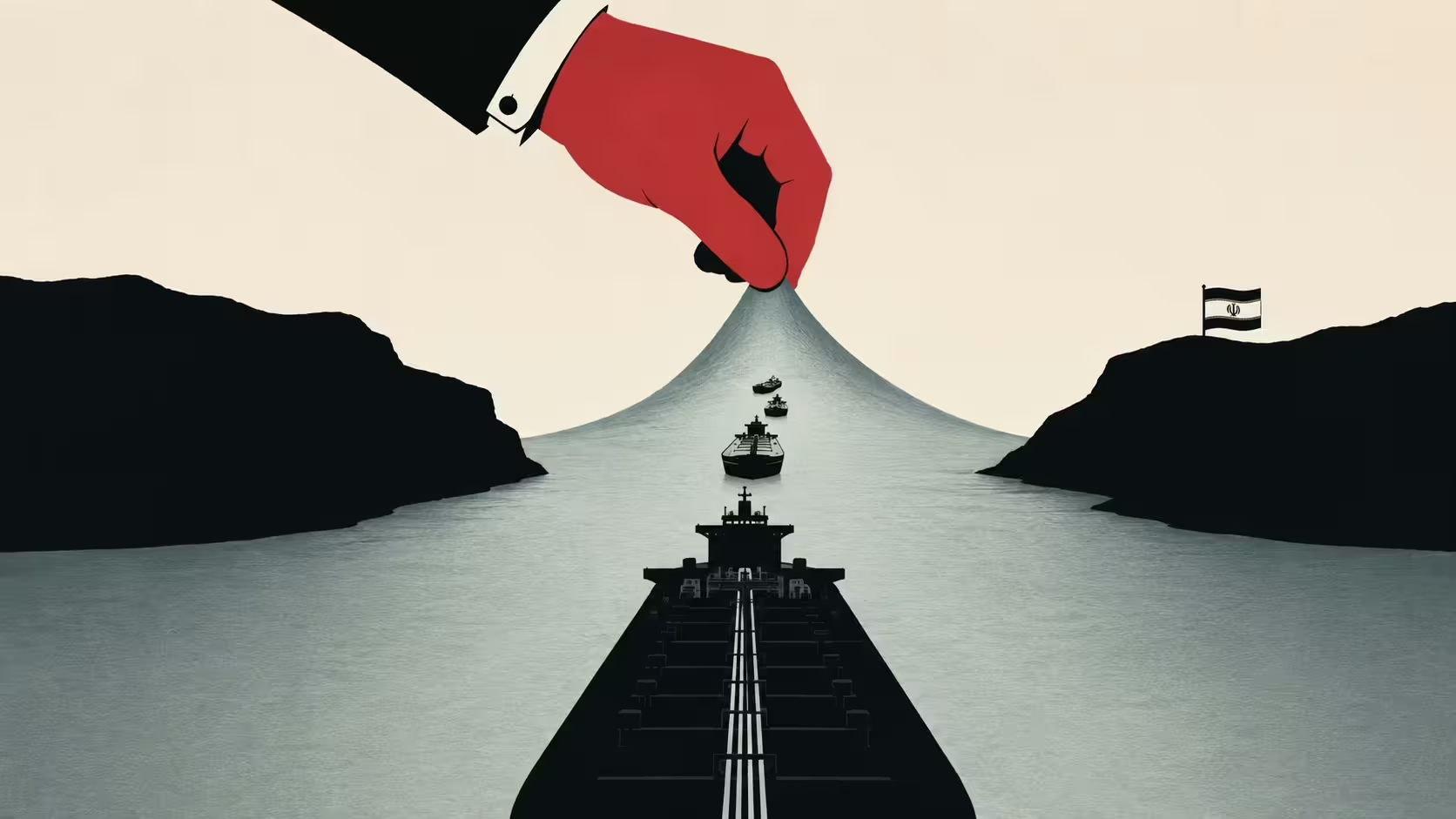
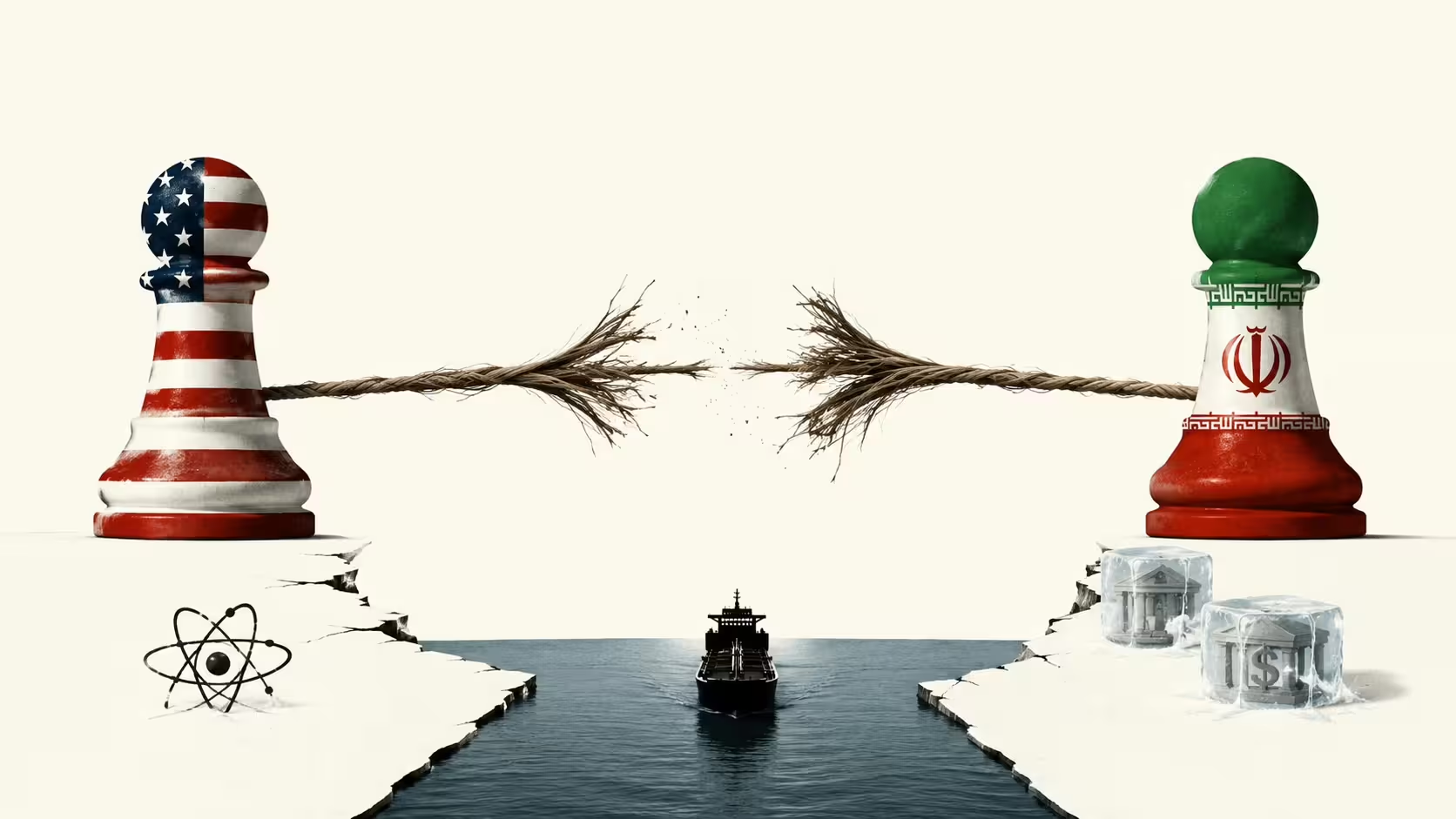
Energy shocks do more than raise fuel prices. They can reshape household decisions for years. As the fallout from the Iran-U.S.-Israel conflict continues and the Strait of Hormuz remains closed, attention is turning to the potential long-term social effects of another oil crisis.
Observers often point to Japan after the 1973 Arab oil embargo. Surging energy and consumer prices placed heavy pressure on young families, followed by a notable decline in births.
Details
• Japan was the world’s largest oil importer in 1973, making it especially vulnerable to the Arab oil embargo.
• Food and energy prices rose sharply, squeezing household budgets.
• Supporters of this theory argue that birth rates fell in the months following the economic shock.
• In 2026, the closure of the Strait of Hormuz triggered what the International Energy Agency described as the largest supply disruption in oil market history.
• Brent crude climbed above $98 a barrel this week before easing to around $91 after a fragile ceasefire took hold.
• Japan still imports nearly 90% of its crude oil needs.
• In April, the Bank of Japan warned that higher oil prices were hurting the country’s terms of trade and reducing households’ real income.
• Some analysts argue that the deeper impact of economic shocks is not inflation itself, but the tendency of young adults to postpone marriage and childbearing as financial pressures grow.
• Demographic data show that average family size has changed little over the past several decades in many advanced economies. What has increased is the share of people who never become parents.
• Japan and Italy after the 1973 oil shock, South Korea during the Asian financial crisis, and the United States after the 2008 financial crisis all experienced declines in birth rates linked to periods of economic uncertainty.
• Analysts warn that another wave of rising housing, energy, and living costs could reinforce existing demographic trends and accelerate population aging.
What to watch
The key question is whether the current energy shock will remain a temporary economic setback or evolve into a longer-term demographic challenge, influencing decisions about marriage and parenthood across major economies for years to come.