The latest
The United States has opened a new wave of strikes inside Iran, as the language between Washington and Tehran grows sharper.
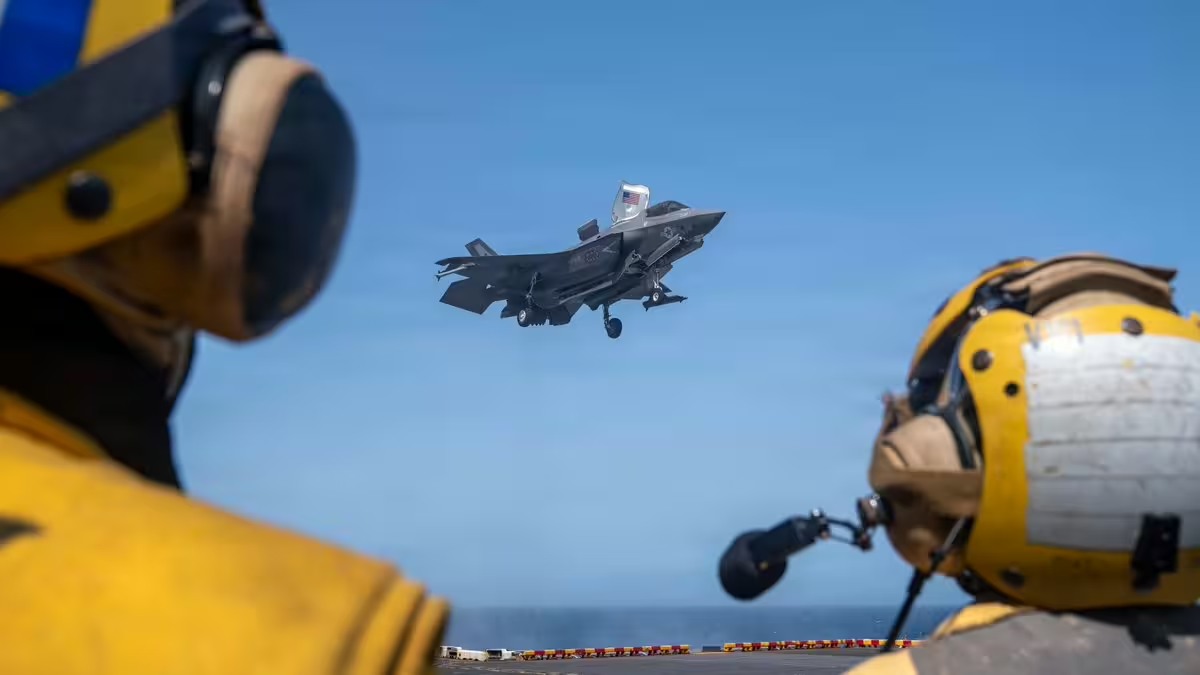
U.S. Central Command said its forces completed additional strikes against multiple Iranian military targets. It described the operation as self-defense and said the strikes targeted military surveillance capabilities, communications systems and air defense sites.
Iran responded with threats. Tehran said it would answer any “American aggression” and rejected Trump’s claim that he had spoken directly with Iranian officials about ending the fighting.
Trump told Fox News that he had spoken with Iranian officials and that the “bombing will stop soon.” He also said Israel was not involved in the latest strikes.
Tehran denied that account and framed it as a U.S. attempt to shape the political narrative.
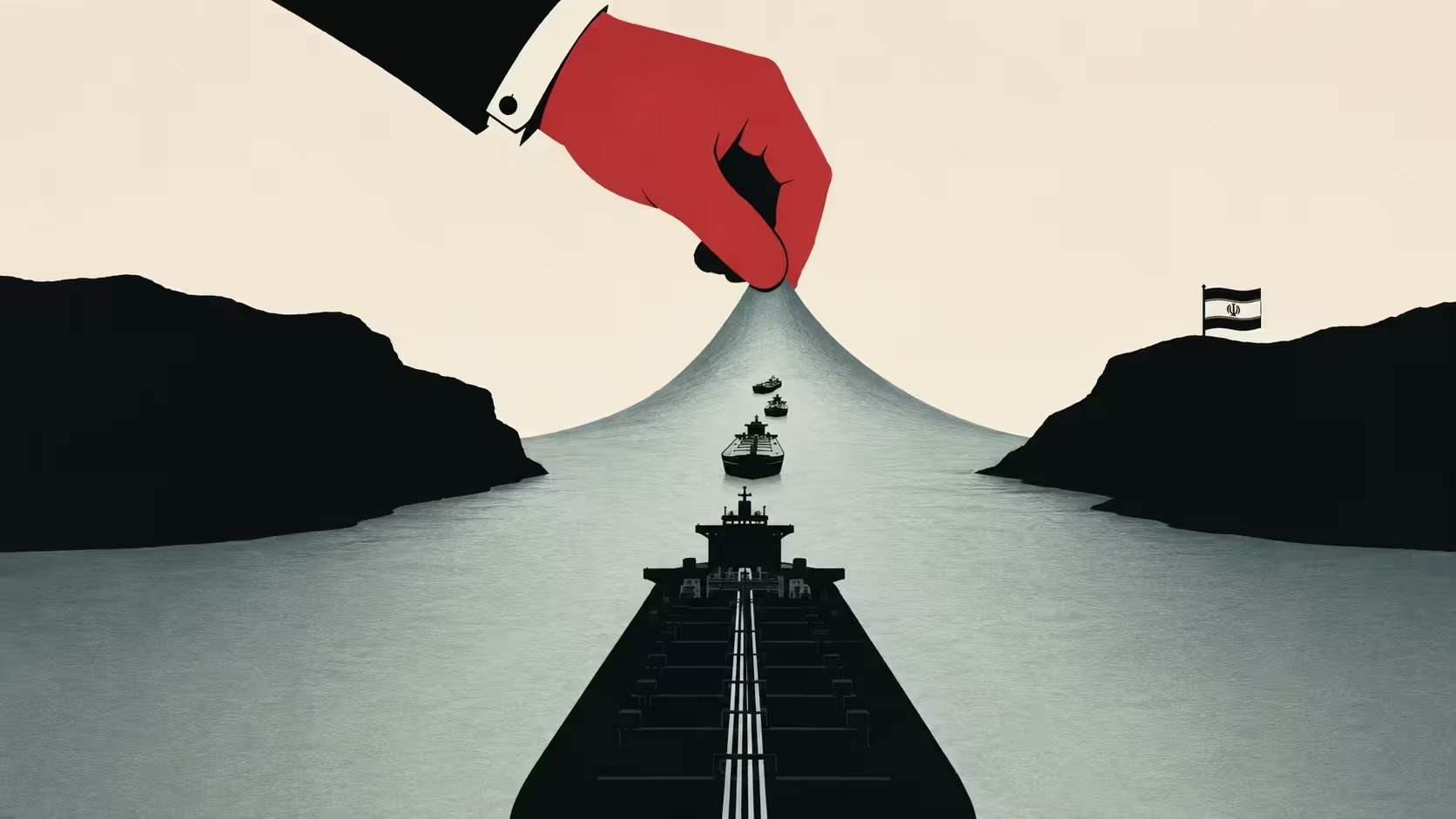
In a move that could raise pressure on energy markets, reports said Iran has tightened its blockade of the Strait of Hormuz, shutting it to ships, including oil tankers and commercial vessels.
Details
• CENTCOM said the strikes hit multiple Iranian military targets.
• The declared targets included military surveillance, communications and air defense capabilities.
• Washington describes the operation as a defensive response to Iranian threats against U.S. forces and shipping.
• Iran says any U.S. attack will not go unanswered.
• Tehran denies that Trump contacted Iranian officials to stop the bombing.
• Trump has shifted from talking about a nearly finished agreement to threatening direct war.
• In a Truth Social post, he said Iran had taken too long to accept a deal that would have been good for it, and that Tehran would now “pay the price.”
• Iran’s tighter blockade of Hormuz turns the escalation from a military confrontation into a global energy and shipping crisis.
What to watch
Iran’s response is now the key signal.
If Tehran targets U.S. bases or ships in the Gulf, the confrontation could move into a wider round. If its response stays contained, Washington may keep using strikes as leverage in the negotiations.
But Hormuz changes the calculation. Every hour of disruption in the strait pressures not only Washington, but also oil markets, Gulf partners and Asian capitals that depend on energy from the region.
Sources: