News
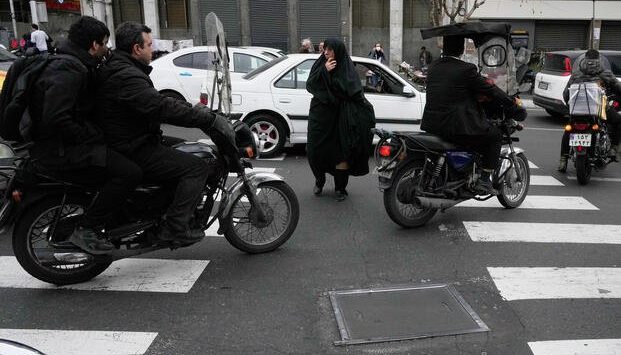
A reading of the Persian press shows that Iran’s domestic mood is now moving to the rhythm of the citizen’s monthly bill. While some outlets speak about stable availability of essential goods, labour and economic newspapers focus on a different reality: wages may rise on paper, but pressure from prices, rents, and transport costs keeps their real impact limited in daily life.
In this picture, petrol stands out as a sensitive issue even without an official price increase, because any change in it immediately feeds into a faster rise in transport and goods costs. Housing, meanwhile, appears in coverage as the biggest drain on income, making the living crisis feel less like a single shock and more like an accumulated daily pressure.
Details
• ILNA highlights that the minimum wage stands at around 21 million and 825 thousand tomans, but the core message in its coverage is that a higher salary does not necessarily mean better living conditions, because inflation continues to erode the value of that increase quickly.
• Mehr reflects the official line denying any increase in petrol or bread prices, yet the repeated need to issue this denial itself shows how sensitive the fuel issue remains among the public.
• Tabnak says the market has not seen shortages in essential goods for 40 days, and that some stockpiles in certain categories have reached two or even three times normal levels, meaning the problem is no longer availability, but the ability to afford what is available.
• Fararu focuses on the biggest burden: housing. Tenants spend 44% of living costs on housing nationwide, while the figure rises to 60% in Tehran, making rent the single most draining item in monthly income.
What next?
If this trend continues, Iran’s priority will remain overwhelmingly about daily living conditions: maintaining the availability of goods, avoiding any fuel shock, and trying to contain the impact of rent and rising prices on the street.
Source