The Hormuz crisis has entered a more dangerous phase. Axios reported that U.S. President Donald Trump held a meeting Saturday morning in the White House Situation Room, bringing together senior officials from security, defense, foreign affairs, and the Treasury. The discussions focused on the renewed tensions around the strait and the trajectory of negotiations with Iran.
Details
- The meeting comes as the current truce is set to expire in three days, with no confirmed date for the next round of talks.
- Mediation led by Pakistan’s army chief Asim Munir during a visit to Tehran last week remains a key channel in ongoing communications.
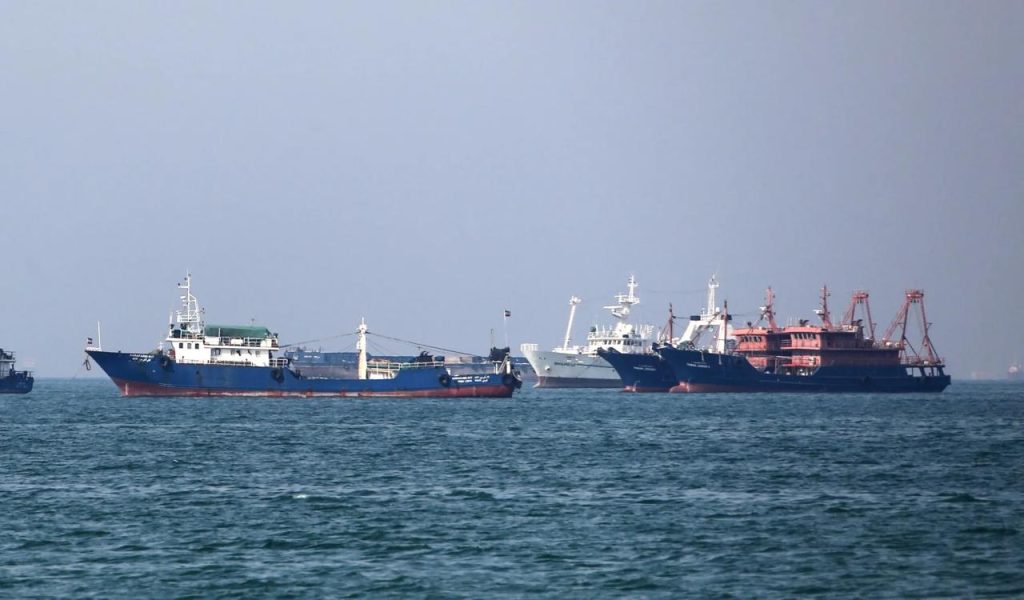
- At the same time, The Wall Street Journal reported that the United States is preparing to expand naval operations to block ships leaving Iranian ports from transferring cargo to vessels linked to Iran, with plans to detain them in international waters, including oil tankers and commercial ships.
- Reuters echoed these reports, citing U.S. officials but noting it could not independently verify the information. The escalation is described as part of a broader pressure campaign labeled by the administration as Economic Anger.
On the Iranian side, Tehran announced it is closing the Strait of Hormuz again, linking its reopening to the lifting of the U.S. blockade on its ports. Maritime reports also indicated shooting incidents involving a tanker and other security events in the strait, deepening uncertainty around navigation in one of the world’s most critical energy corridors.
This escalation comes less than a day after a more optimistic tone from Trump, who described the talks as “very good” and said Iran “cannot blackmail us,” suggesting a possible agreement by the end of the day.
(Analysis)
- The crisis has shifted into negotiations under maritime pressure, risking a breakdown of the fragile de-escalation. Washington is increasing leverage through naval pressure, while Tehran uses Hormuz as a final deterrence card.
- The White House appears to be escalating pressure step by step: high-level security meetings, continued blockade, and readiness to expand maritime enforcement if talks falter.
- Iran is tying the reopening of the strait directly to ending U.S. restrictions, turning Hormuz from a shipping lane into a direct bargaining tool.
- The most dangerous development is entering negotiations without halting on-the-ground escalation.
The region now stands at a critical crossroads: either political progress accompanied by renewed military escalation that could impact enrichment and uranium stockpiles while reopening a path to de-escalation, or a collapse in talks that could bring the drums of war back within days.