News
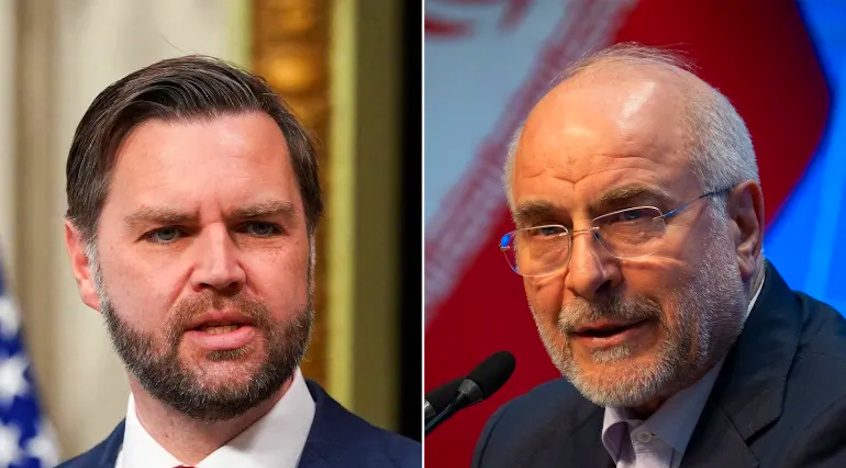
The outlines of a broader deal are beginning to emerge between Washington and Tehran, but without a final breakthrough yet.
Axios reports that both sides are discussing a three-page memorandum of principles that could open the way to ending the war, built around a clear tradeoff: major financial relief for Iran in exchange for direct nuclear concessions.
According to the report, one of the most important provisions under discussion is the release of $20 billion in frozen Iranian funds in return for Iran giving up its stockpile of enriched uranium.
Details
- Washington’s top priority is to ensure that Iran cannot retain its current stockpile of enriched uranium, especially the material enriched to 60%.
- Iran, on the other side, is under acute financial and political pressure because of its worst economic situation since the war, putting frozen funds at the center of the talks.
- The debate is not only about how much money would be released, but also about how that money could be used and whether it would remain restricted or become more freely accessible.
- At an earlier stage, Washington asked for Iran’s entire enriched uranium stockpile to be transferred to the United States, while Iran agreed only to dilute it inside the country.
- The compromise now under discussion would send part of the highly enriched uranium to a third country, while another part would be diluted inside Iran under international supervision.
- The memo also includes a voluntary freeze on enrichment, but the gap remains wide: Washington asked for 20 years, while Iran offered 5.
- The draft would allow Iran to keep research reactors for medical isotope production, in exchange for limiting nuclear activity to above-ground facilities and barring the current underground sites from nuclear use.
- Hormuz is also part of the negotiations, but the report says major differences remain there as well.
- It is still unclear whether the memo covers Iran’s ballistic missiles or its support for regional proxies, two issues pushed strongly by Iran hawks in the Republican Party and by Netanyahu’s government.
What next?
Attention now turns to the next expected round of talks as mediators work to narrow the gaps. If the core disputes are not resolved quickly, the U.S. warning is clear: diplomacy is getting one more chance, but the alternative could be a return to fighting.