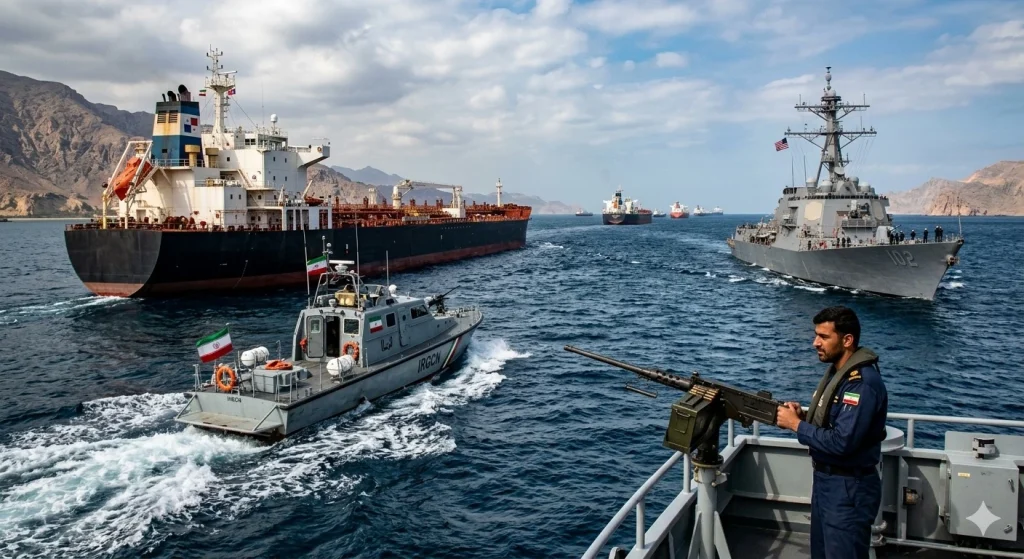
Washington and Tehran made progress in Tuesday’s contacts, bringing them closer to a framework understanding that could open a path toward ending the war before the current ceasefire expires on April 21. Regional mediation is now moving on several tracks to try to close the remaining gaps, while U.S. officials stress that no final deal has been secured and major differences still remain.
The current picture suggests that negotiating teams continued exchanging draft texts and indirect messages through mediators, while a new round of direct talks is likely in the coming days if the current momentum holds.
Details
• A Pakistani delegation led by Army Chief Asim Munir arrived in Tehran on Wednesday for talks with Iranian officials.
• Trump’s negotiating team, including JD Vance, Steve Witkoff and Jared Kushner, continued its calls and exchanges with the Iranians and the mediators.
• Washington believes that any framework deal would likely require an extension of the ceasefire, because the final details cannot be completed within only a few days.
• The United States has not formally agreed to extend the truce, but it has kept the negotiating channel open as contacts continue.
• The administration sees the naval blockade on Iran’s oil exports, along with the country’s internal economic deterioration, as increasing pressure on Tehran to move toward a settlement.
• U.S. estimates say Iran exports around 1.5 million barrels of oil per day, and that disrupting this flow could quickly deepen the economic crisis, especially given the heavy dependence on Kharg Island.
What next?
The real test now is not general political progress, but whether both sides can turn that momentum into a clear written framework before April 21. If that happens, negotiations would most likely move into a second stage focused on the details of a broader agreement and the terms of extending the ceasefire.