The ceasefire between Iran and Israel has given global markets the much needed relief after weeks of disruption in the Strait of Hormuz, however the wider economic fallout is far from over.
For much of the past six weeks, about 800 ships were said to be stranded in the Gulf, with many either unable or unwilling to use the critical shipping route. The disruption led to an increase in petrol and diesel prices, increased air travel costs, and added fresh pressure to inflation and borrowing costs worldwide.
The pause in the war has already had noticeable effect on the market. Oil and gas prices fell sharply, and stock markets climbed as investors grew more confident that major disruptions to energy supplies have been avoided for now. The key question is whether the ceasefire will hold and lead to a lasting de-escalation. Mixed signals from Iran, USA and Israel have created uncertainty over whether direct negotiations will follow and whether shipping through the Strait will return to normal. The impact goes well beyond crude exports. The waterway is also vital for shipments of jet fuel, diesel, sulphur, urea and other petrochemical products, as well as industrial materials such as helium used in microchip production.
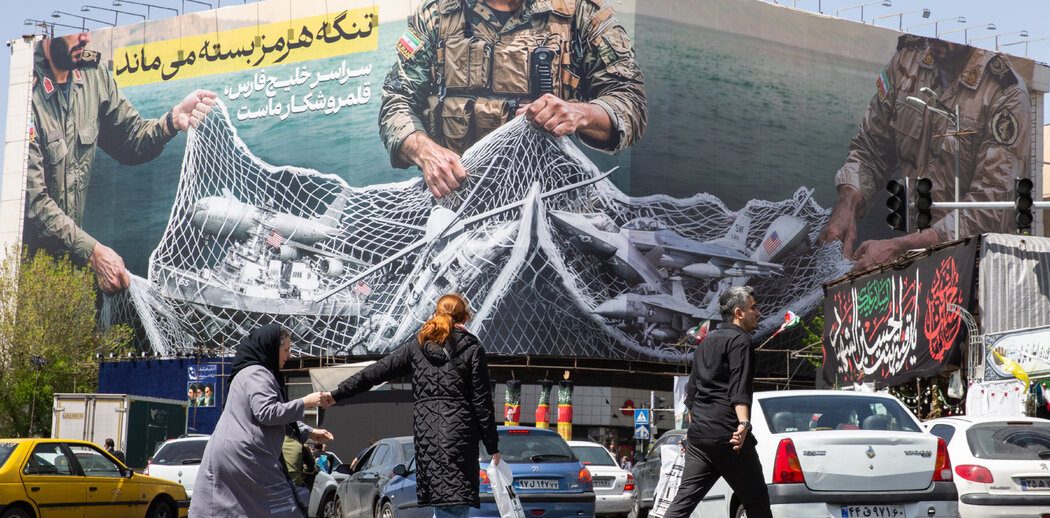
There is also a deeper strategic concern. Iran has shown it can exert control over one of the world’s most important maritime chokepoints, even without a conventional naval or air power advantage. Questions remain over whether that influence will continue, and whether Gulf states will accept any new reality in the Strait. The damage to regional gas infrastructure, especially in Qatar, could keep global gas supplies under pressure for years. Restarting production may take weeks, while a full return to pre conflict capacity is likely to take much longer.
In Europe, the ceasefire raises the stakes ahead of summer as countries rebuild gas stocks. In Britain, a modest rise in household energy bills in July still looks likely, though a larger increase later in the year may be less certain if the truce holds. Financial markets also showed signs of relief. European government borrowing costs fell, including that of the UK, and lower market rates could help curb recent rises in fixed mortgage costs. Inflationary pressure may also fade if energy prices continue to fall in the months ahead.
The economic consequences of the conflict were never secondary. Iran has demonstrated that it can use the Strait of Hormuz as a source of global economic leverage, and markets will remain highly sensitive to any sign that the truce is weakening.
What Else
Attention now turns to whether direct diplomacy begins and shipping through Hormuz fully resumes. The durability of the ceasefire will determine whether the global economy returns to calmer energy prices or faces another shock.