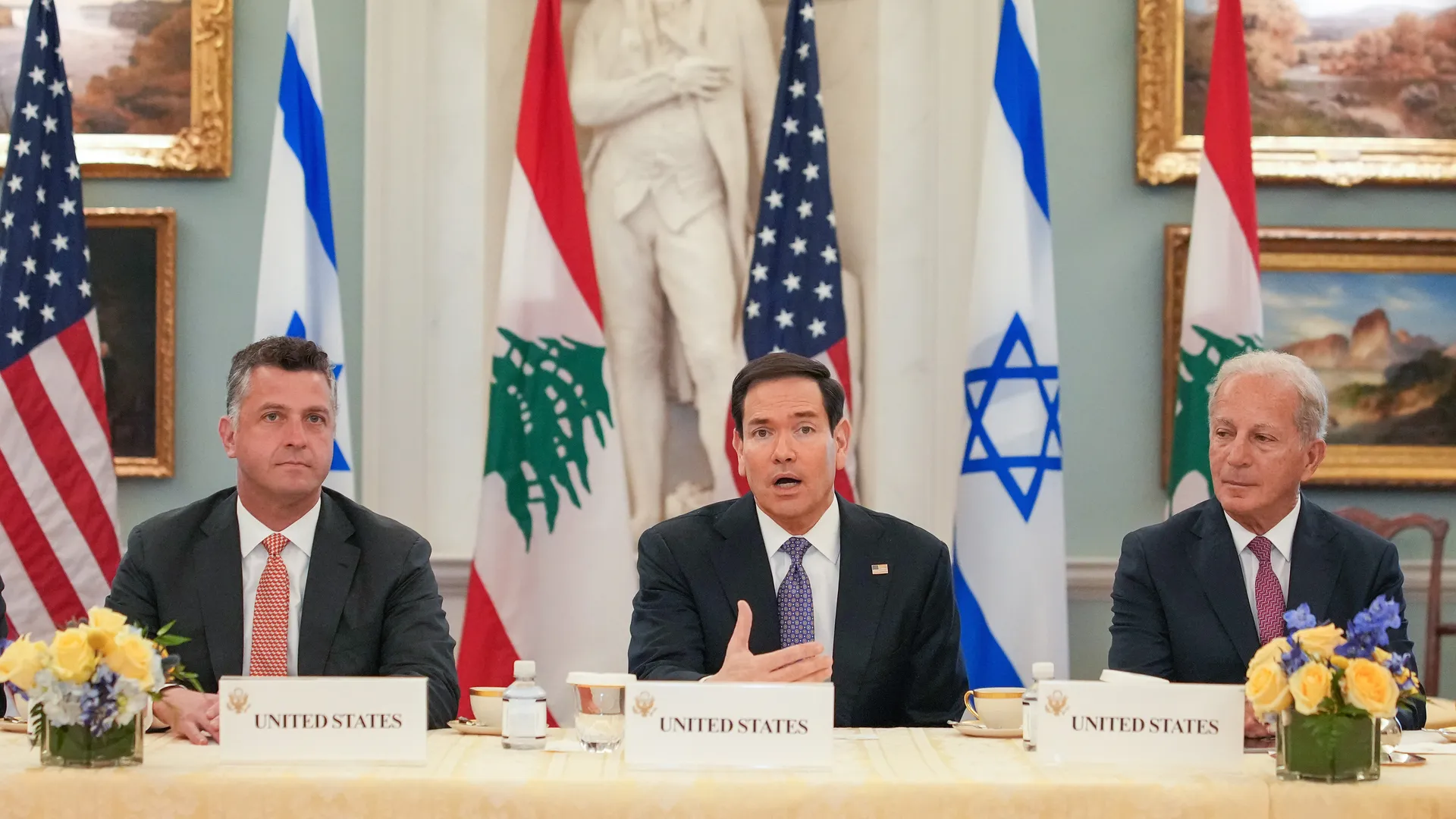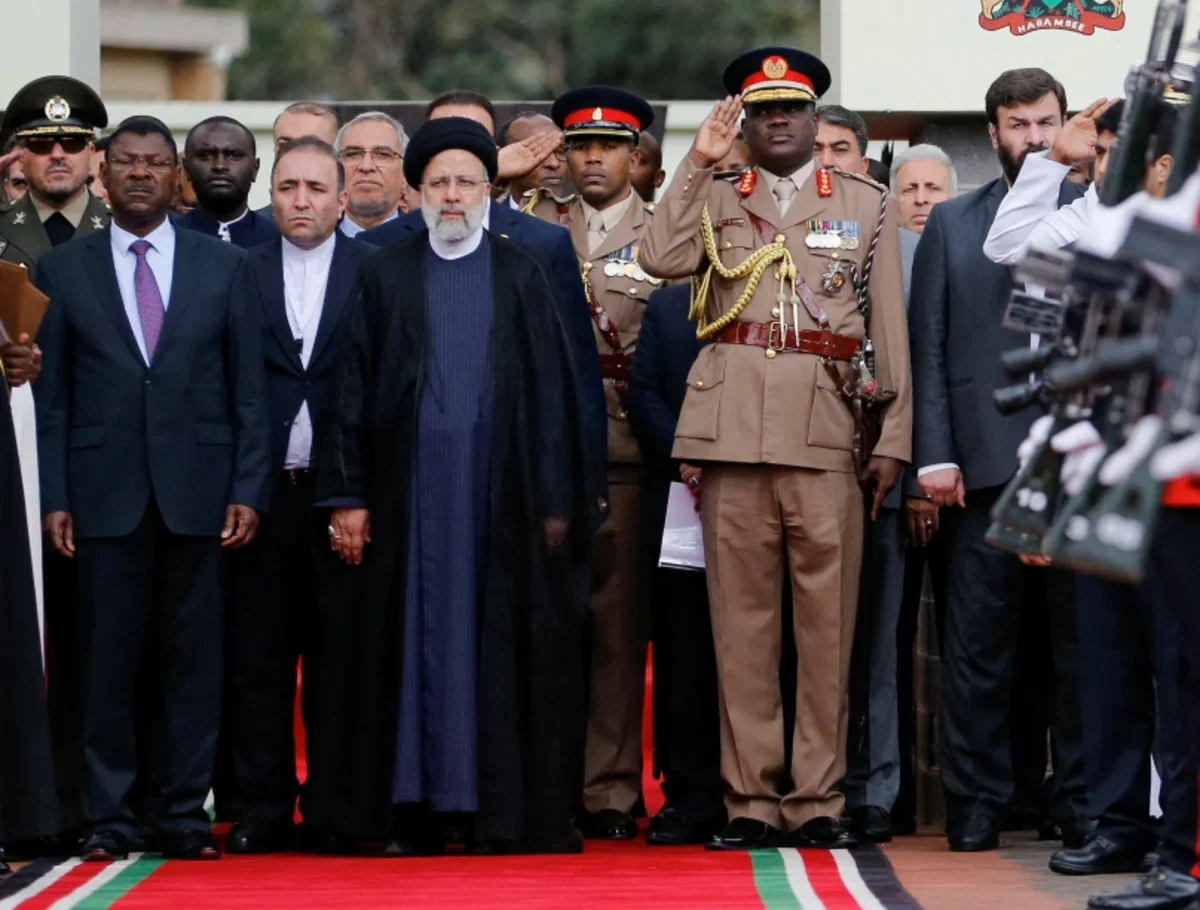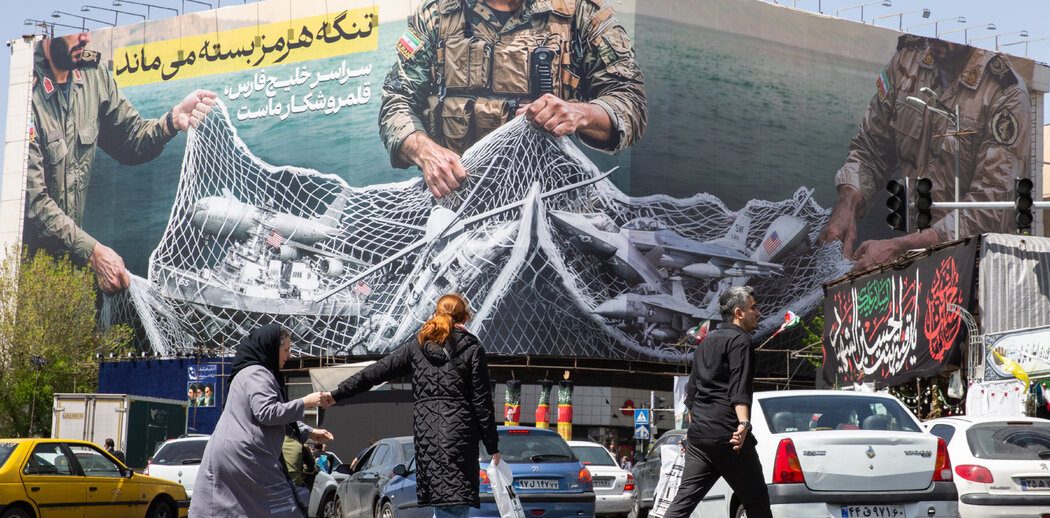
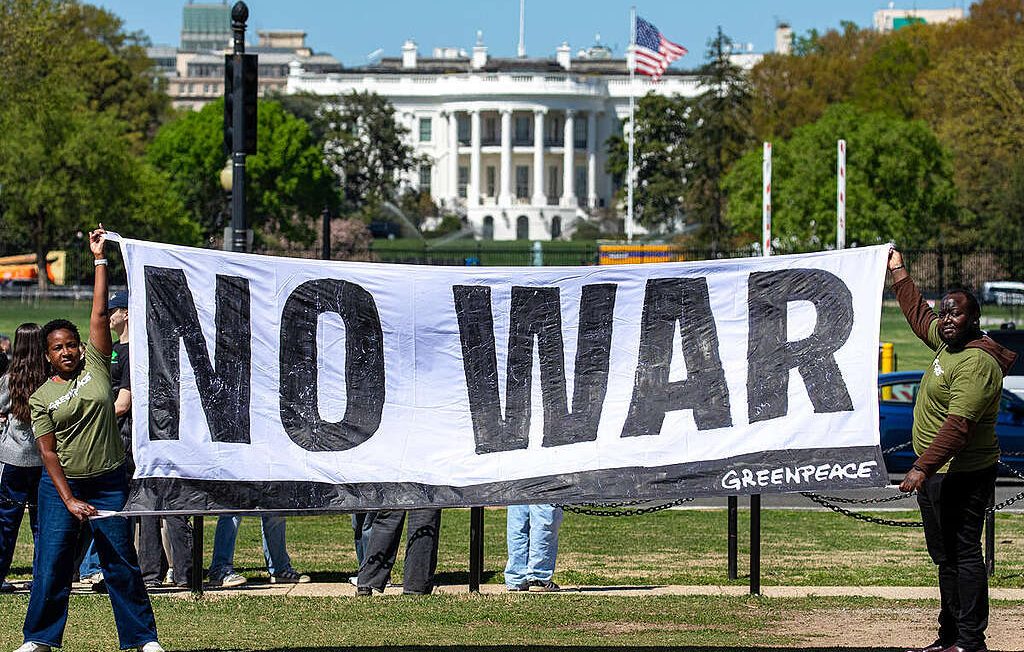
The first hours of the ceasefire show that the agreement has not resolved the core of the conflict so much as temporarily frozen part of it. The United States, Israel and Iran all agree that some form of truce has entered into force, but they differ over its practical terms, its geographic scope, and the basis on which the next round of negotiations will be built.
The Strait of Hormuz, which has moved to the centre of events, stands out as the key point of contention. Trump made its reopening his central condition for the ceasefire, but the picture remains murky over what that reopening actually means, and whether passage will be completely free, subject to coordination with Iran, or tied to transit fees.
Details
• The fighting has eased, but it has not stopped completely.
• Iran says the missile and drone attacks it carried out after the ceasefire announcement were retaliation for U.S. and Israeli strikes against it, including an attack on an oil refinery.
• By contrast, a U.S. defence official said the strike on the Iranian refinery was carried out by neither Washington nor Israel.
• The U.S. defence secretary attributed the continuation of some attacks to weak command and control inside Iran, saying communications problems had delayed the transmission of orders and that it would take time for the ceasefire to take hold.
• On the strait, the gap in positions has widened. After Trump announced that the Strait of Hormuz was now open, Tehran adopted a more cautious tone, saying ships would need to coordinate passage with its armed forces and that limits would apply to the number of vessels allowed through.
• Iranian media, citing officials, reported that ships might be required to pay transit fees — a prospect causing widespread concern because it would alter the nature of navigation through one of the world’s most vital energy corridors.
Trump added to the confusion and deepened the ambiguity when he spoke about the possibility of operating a transit-fee system jointly between the United States and Iran.
Meanwhile, the U.S. defence secretary insisted that what had been agreed was the reopening of the strait.
On the negotiating track, Trump surprised some of his more hawkish allies when he described Iran’s ten conditions as a workable basis on which negotiations could proceed.
According to the version published by the Iranian side, those conditions include Iranian control over the strait, retaining the right to enrich uranium, lifting sanctions, and receiving compensation for the war.
But Trump later returned to speaking about a 15-point U.S. proposal that Iran had previously rejected, saying agreement had been reached on several of its points. He also stressed that Washington would not accept Iran’s right to enrich and would not allow it to retain a stockpile of highly enriched uranium, while speaking of removing that stockpile in cooperation with Iran. At the same time, he indicated that the talks would address tariff and sanctions relief.
This fluctuation has stirred scepticism within the American and Israeli camps.
Benjamin Netanyahu and prominent Republican figures have expressed concern over the scale of the concessions under discussion and the nature of the documents on which the negotiations are being based.
In Lebanon, an additional dispute has emerged over the scope of the ceasefire. Pakistan and Iran said the truce also covered the Lebanese front, but Israel rejected that and intensified its attacks.
The Lebanese government speaks of 100 dead and hundreds more wounded, while Tehran has warned that continuation along this path could endanger the ceasefire and bring renewed tension back to the strait file.
What next?
Attention is now turning to Islamabad, where a round of negotiations is expected to begin on Friday.
But the early signs suggest the ceasefire does not mean the war is over. It is, as Vance described it, a fragile truce standing on top of a mound of major disputes concerning the strait, the nuclear programme, sanctions, reconstruction funding, and the war between Israel and Hezbollah. Statements from both sides also make clear that a rapid return to fighting remains a live possibility if the understandings collapse.