Details
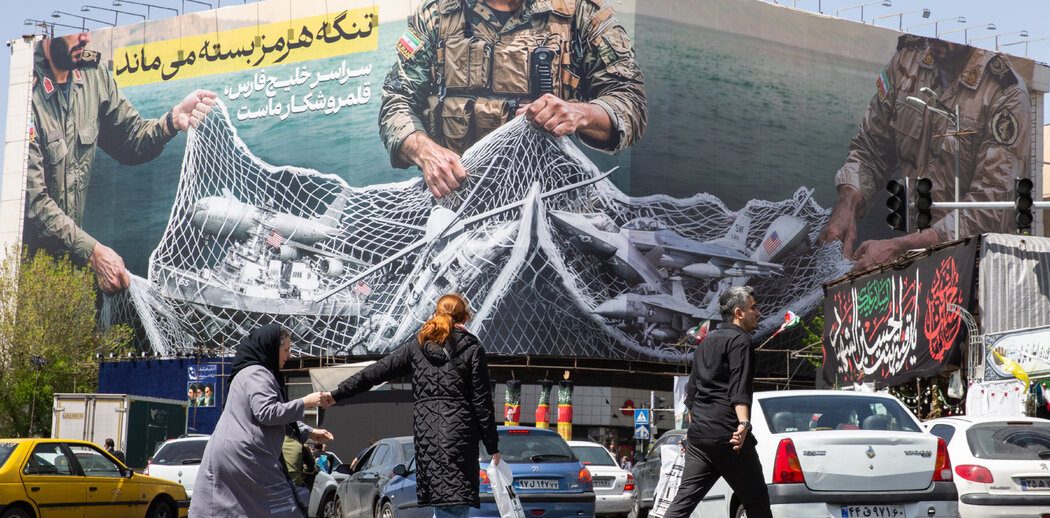
As the war involving Iran enters its third month, the pressure on fuel supplies, inflation, and public finances is becoming increasingly severe, forcing Europe towards emergency energy measures.
The European Commission has urged its citizens to reduce energy use by driving less, relying more on public transport and even working from home where possible. EU Energy Commissioner Dan Jorgensen said the EU needs to save as much oil as possible, especially diesel and jet fuel, as markets remain under strain.
The pressure has intensified since the conflict disrupted energy flows from the Gulf and raised fears over the Strait of Hormuz, a key route for global oil and LNG trade. While the EU imports only a limited share of its LNG directly through that route, officials and analysts warn that a longer conflict could tighten global supplies further as Asian buyers compete more aggressively for cargoes.
European Commission President Ursula von der Leyen said the conflict added €3 billion to the EU’s fossil fuel import bill in its first 10 days. Bruegel has warned that a doubling in gas prices could add around €100 billion to Europe’s gas import costs over the next year. Italy is among the countries leading the way and seeking a stronger response. Economy Minister Giancarlo Giorgetti said talks on easing European debt rules would be inevitable if the conflict continues. Rome has already approved a decree worth about €500 million to extend lower fuel excise taxes until May 1, while officials are also weighing a cut to this year’s growth forecast.
The financial risks are also spreading beyond energy. ECB policymaker Fabio Panetta warned that turmoil in energy markets could threaten financial stability and trigger pressure on government bonds, especially in highly indebted countries such as Italy. Four other EU countries; Germany, Spain, Portugal, and Austria have joined Italy in asking the European Commission to consider an EU wide windfall tax on energy companies. A letter sent by the ministers said the measure could finance temporary relief for consumers, help curb inflation and show that companies benefiting from the crisis are sharing the burden.
The Commission confirmed that it had received the letter and was working with member states on targeted responses to the energy shock. Some of the measures under discussion echo the bloc’s 2022 crisis playbook, including cuts to electricity related charges and other temporary interventions. Analysts say the crisis has also revived the debate over Europe’s long-term energy strategy. Some officials continue to lobby for faster investment in renewables, electrification and local green industry rather than just broader fossil fuel subsidies or price caps that could delay the transition away from imported energy.
What Else
The next test for Brussels will be whether the leaders can quickly agree on targeted relief without reopening a deeper fight over fiscal rules, subsidies and energy market intervention. A lot will also depend on how long the war lasts and whether disruptions in supply in the Gulf continue to worsen.