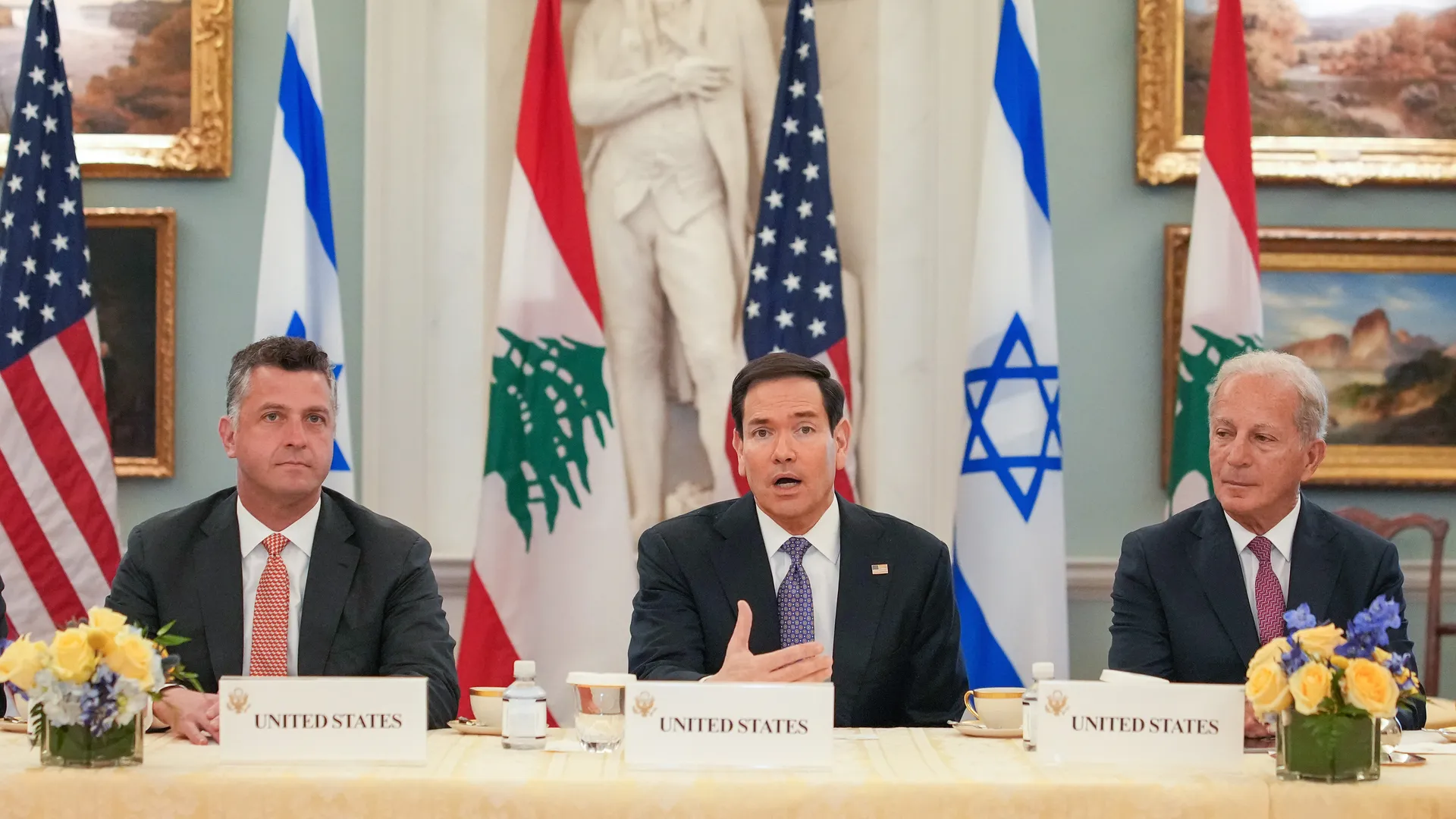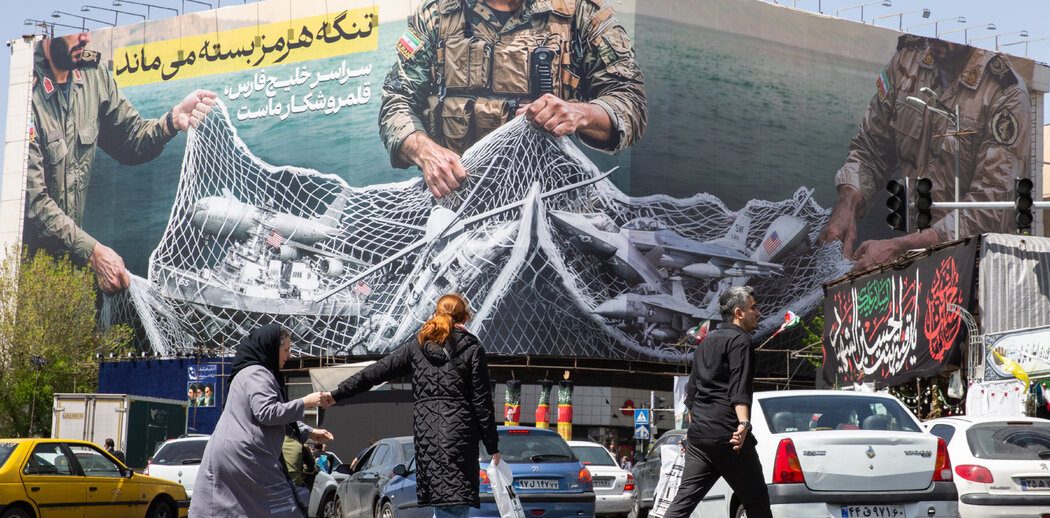
The White House is now moving on two tracks at the same time: sustained military pressure and open negotiating signals. Trump says he sees a deal with Iran that could come soon, and he spoke of direct and indirect negotiations taking place in parallel with strikes on targets inside Iran. He also reframed the passage of oil tankers through Hormuz as a positive sign, while escalatory rhetoric remained strongly present.
But the most important signal in Trump’s remarks is not optimism alone, but the widening of the options basket. He did not rule out action against Kharg Island, while The Wall Street Journal revealed that the administration is also considering a military operation to remove enriched uranium from Iran if it cannot be extracted through negotiations. This means Washington is not merely talking about a truce, but about reshaping the balance of deterrence and the nuclear file by force if necessary.
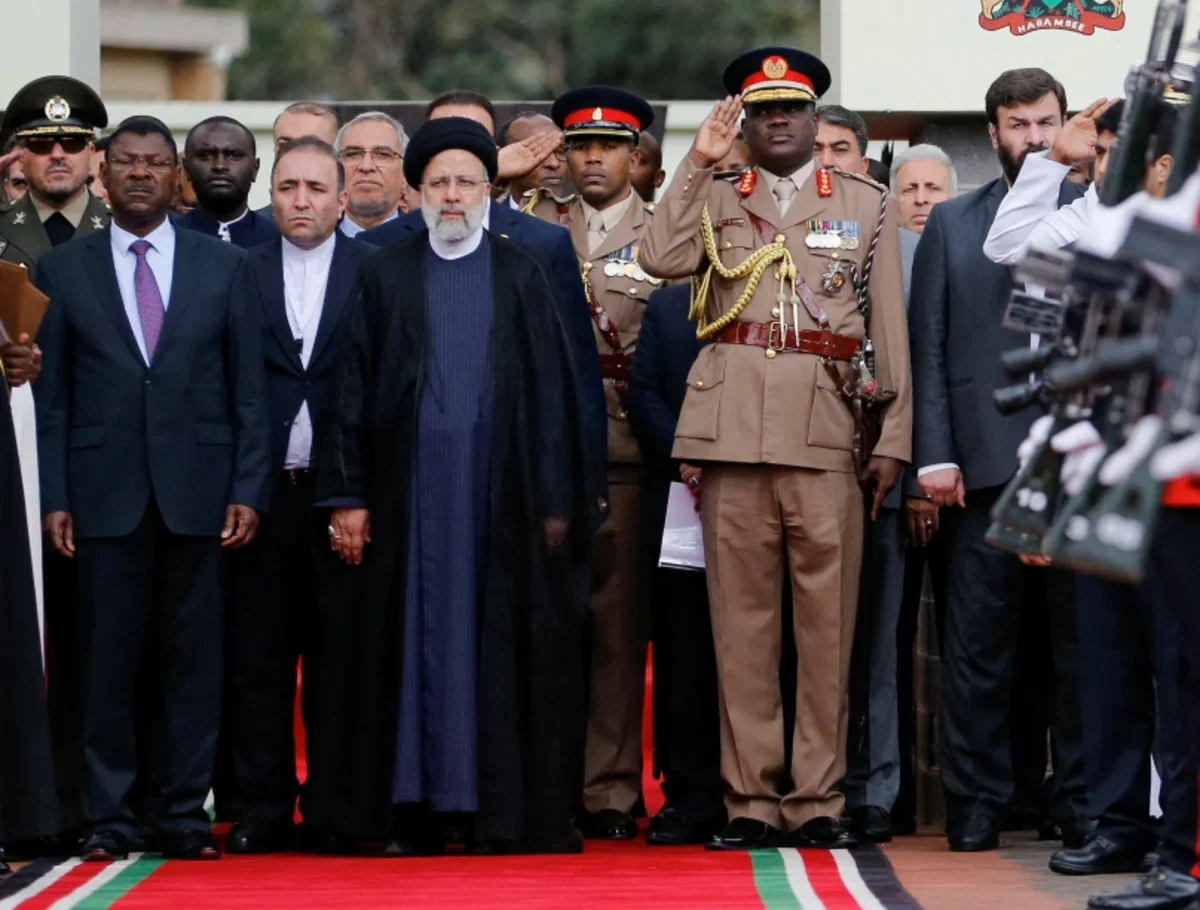
By contrast, the picture of Iran’s leadership appears increasingly blurred. The assessments circulating in Washington and Jerusalem, as reported by Israeli and American outlets, tend to suggest that Mojtaba Khamenei is alive and functionally capable, but that he does not run the state with a firm grip, with the Revolutionary Guards more likely controlling the broader sphere of governance and security decision-making. The lack of a clear public appearance has reinforced that impression rather than dispelling it.
Detail
• The American track is no longer about a ceasefire in itself: the U.S. approach now revolves around a broader agreement linking the war to the fate of the nuclear program, missiles, and freedom of navigation in Hormuz, rather than simply moving toward a temporary de-escalation.
• Kharg Island is back at the centre: Axios describes several Iranian islands as critical pressure points in any more dangerous phase of the war, chief among them Kharg, which represents the heaviest node in Iranian oil exports.
• Iran’s missile capability has been badly damaged, but not completely erased: intelligence reviews and American press reports point to the destruction or disruption of a large portion of factories and launch bases, but the continuation of launches and the survival of underground infrastructure mean the program has not been entirely finished.
• The economic risk: Reuters warned today that the market’s worst-case scenario has still not been ruled out, especially if the war develops into an attempt to seize Iranian territory or facilities, opening the door to wider strikes on Gulf energy infrastructure.
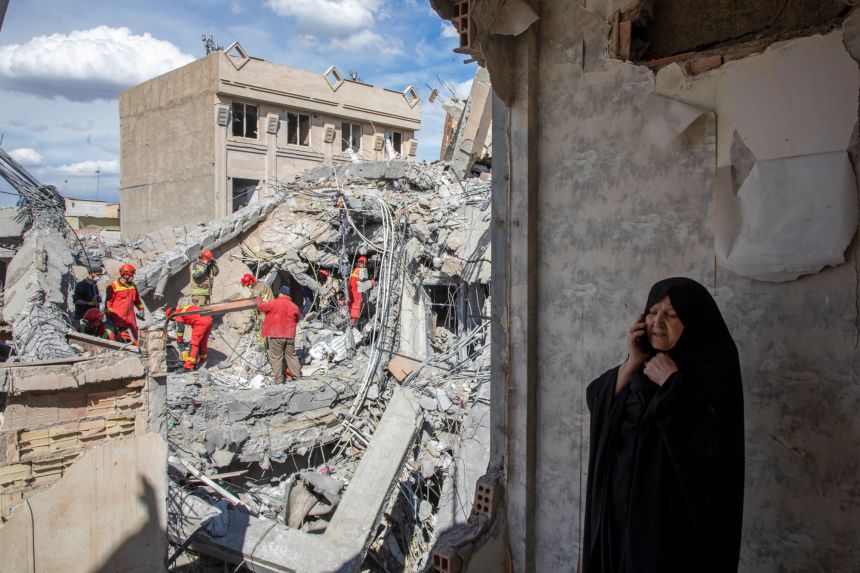
• The other face of the war appeared in visual investigations: The Washington Post showed extensive destruction at missile production and launch sites, while a New York Times investigation concluded that a U.S. strike on February 28 hit a sports hall and a school near a military compound in Lamerd, with indications that the new PrSM missile was used in combat for the first time, opening a sensitive debate about targeting accuracy and the civilian cost of war.
What next?
The next test will appear in the ordering of American priorities. If the negotiating track advances, that will show up quickly in two files:
• Hormuz and uranium.
But if ambiguity persists in Hormuz and the Iranian leadership continues to erode without a clear negotiating partner, then the value of the option that increases pressure on Kharg and the nuclear facilities will rise above any talk of a near-term deal.
(Analysis)
Trump wants to sell a breakthrough moment without giving up the tools of escalation. That is why he is sending three messages at once: we are hitting them, we are negotiating with them, and we are keeping larger options in reserve. This is less a contradiction than an attempt to impose an agreement from a position of dominance.
On the other side, the problem is who actually has the authority to sign. Here, the fragility of Mojtaba Khamenei’s position becomes a central factor. If the Revolutionary Guards are the ones controlling the real rhythm of events, then any deal becomes more difficult, and any de-escalation may remain temporary and vulnerable to rapid collapse.
Militarily, the most accurate picture is neither that Iran has collapsed nor that it remains as resilient as it was before the war. More accurately, its missile infrastructure has been heavily degraded, but the core of its deterrent capability has not yet been uprooted. That is exactly what makes the war capable of continuing, and also capable of turning into a hard bargain rather than a clean ending.