News
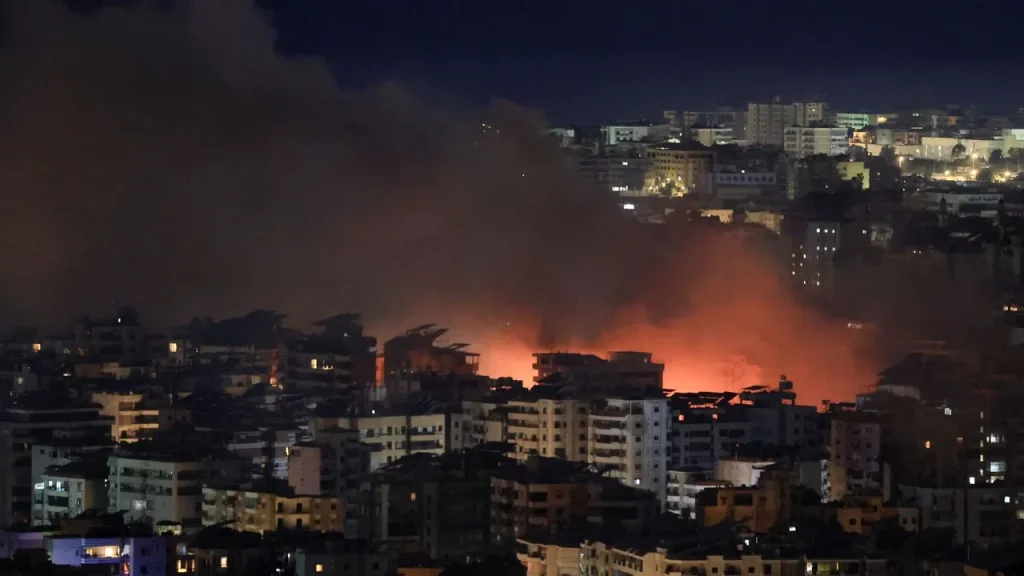
Lebanon is entering a more dangerous phase of the war. Dahiyeh is no longer being treated as a limited target set. It is becoming a central pressure point in Israel’s Lebanon strategy. On March 5, Israel warned residents to leave Beirut’s southern suburbs, including Hezbollah-controlled areas, triggering a large civilian exodus and severe traffic congestion across parts of the capital before major strikes followed.
In the south, the battlefield is moving faster than diplomacy. Reuters reported that Israeli forces had moved into at least nine towns in southern Lebanon, alongside wide evacuation orders extending north of the Litani River. That suggests Israel is no longer relying only on the five positions it had already retained after earlier withdrawal arrangements, but is moving toward a broader ground footprint inside the border area.
Israeli reporting adds an important layer to that picture. Haaretz reported that the Israeli military was preparing operations aimed at creating an added defensive line for border communities, and separately reported reinforcement of forces in southern Lebanon to build what it described as an additional security layer. That makes the claim of ten new Israeli positions politically and militarily plausible as a headline for expansion, even if the full number of fixed new positions has not been publicly and conclusively documented town by town.
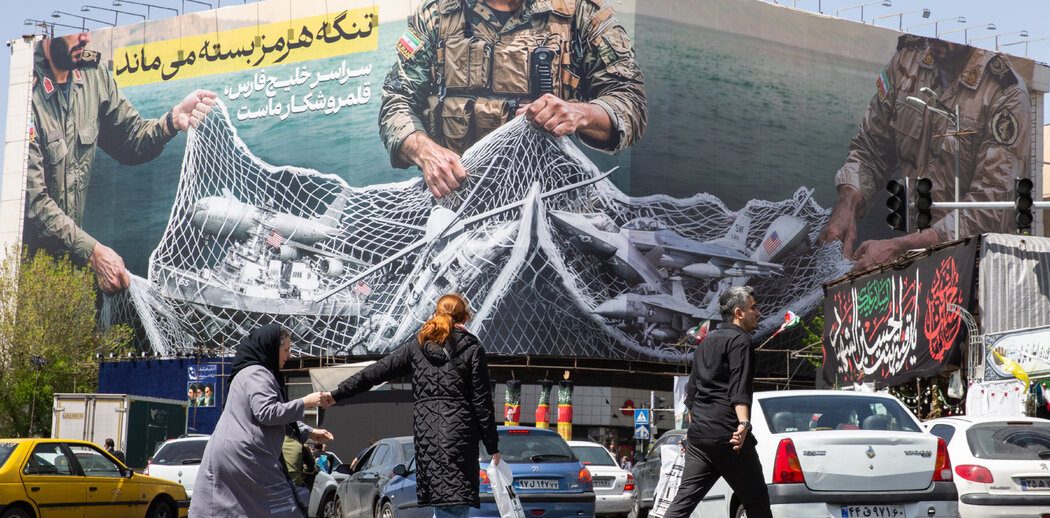
At the same time, the Iranian dimension inside Lebanon appears to be shifting. Axios reported that several dozen officers from Iran’s Islamic Revolutionary Guard Corps, most of them linked to the Quds Force, had left Beirut over the previous 48 hours because they feared becoming direct targets. The significance of that claim is not only the movement itself, but what it signals: Israel appears to be trying to hit not just Hezbollah’s Lebanese infrastructure, but also Iran’s direct operational layer inside Lebanon. Still, this point should be handled carefully. The report is based on Israeli defense officials and another informed source, not on public confirmation from Iran or Lebanon.
The broader result is that Israel now seems to be operating on two visible tracks in Lebanon and a third quieter one. The first is a firepower track aimed at exhausting Dahiyeh and degrading Hezbollah’s political and logistical center of gravity. The second is a geographic track aimed at reshaping the south into a wider de facto buffer zone. The third is an Iranian track, focused on shrinking or disrupting Tehran’s direct room for maneuver in Lebanon. That is an analytical reading based on the reporting, not an official declaration by any side.
If this pattern continues, Lebanon may be heading toward a new equation: a southern suburb under sustained pressure, a south where control lines are being redrawn step by step, and Hezbollah facing simultaneous pressure on territorial mobility and Iranian backing. The next question will not only be how intense the strikes become, but what kind of post-round map Israel is trying to lock in: temporary positions, or a new security belt under a different name. This final point is an inference from the direction of current reporting.
Sources: Reuters,,.