
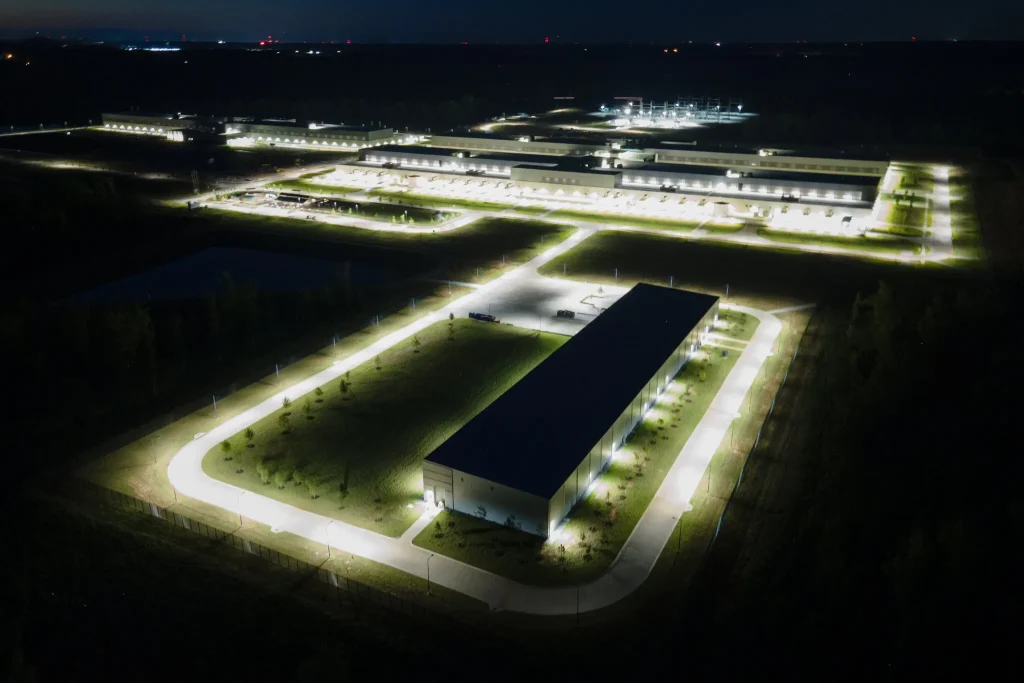
The rapid expansion of artificial intelligence is complicating Big Tech’s plans to cut emissions, as companies increasingly rely on traditional energy sources to power massive data centers.
Companies like Google and Microsoft had set ambitious goals to reach carbon neutrality by 2030, but now describe those targets as extremely challenging amid surging energy demand driven by AI.
New data centers require enormous amounts of electricity, pushing companies to use any available power source to stay competitive — including natural gas, despite its significant climate impact.
Details
Despite record purchases of clean energy in 2024 and 2025, emissions have increased across major companies:
- Google by approximately 50%
- Amazon 33%
- Microsoft more than 23%
- Meta more than 60%
Data centers consumed about 4.6% of total U.S. electricity in 2024, with projections to nearly double that share by 2028, potentially driving national electricity demand up by as much as 20% over the next decade.
Meanwhile, natural gas accounts for more than 40% of electricity used by U.S. data centers, while coal still contributes about 30% globally — a trend expected to continue as new gas plants are built specifically to power these facilities.
Companies are relying on a mix of solutions to curb emissions, including:
- Purchasing renewable energy and related certificates
- Improving energy efficiency
- Investing in nuclear and hydropower
- Developing carbon capture projects
However, these efforts face additional challenges, such as:
- Slow grid connections for clean energy projects
- Regulatory changes that may limit the use of renewable energy certificates
- Government policies reducing support for clean energy
Experts warn that building new gas plants to meet current demand could lock in fossil fuel dependence for decades due to long investment recovery cycles.
What’s next?
Attention is now on whether companies can balance AI expansion with climate commitments, or if they will delay or revise their targets under growing energy pressure.