
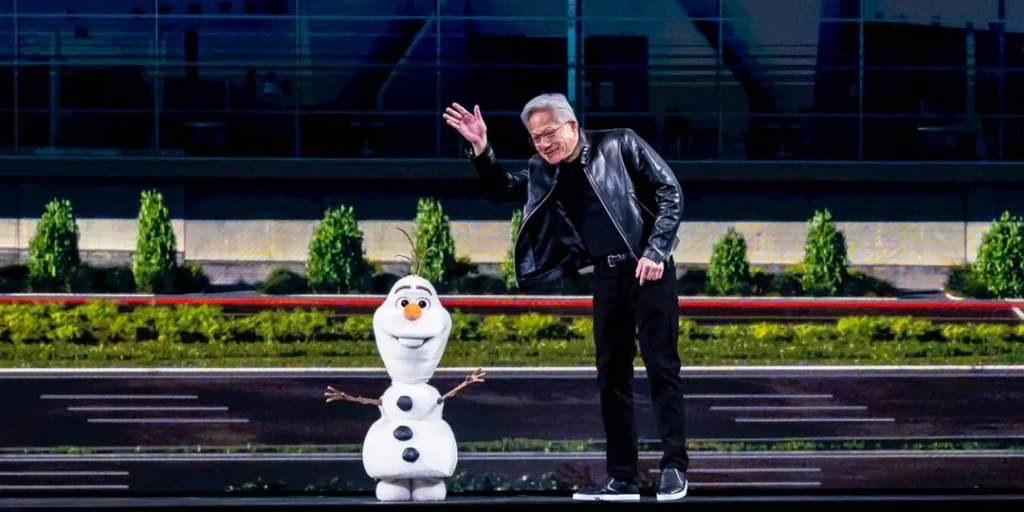
In March, Nvidia launched the Olaf robot inspired by the movie Frozen, equipped with AI technologies from Nvidia and Google, but its movement depends on Chinese components from Unitree. China emerges as a key supplier of humanoid robot parts, especially motors, magnetic components, and sensitive circuits, while the U.S. leads in AI chips.
Details
- China considers the humanoid robot supply chain a strategic priority, aiming to develop a domestic chain by 2027 to reduce reliance on countries like Japan and Germany.
- Last year, Chinese companies released 28 humanoid models, nearly three times the number introduced by U.S. firms, driven by government subsidies and growing public interest.
- Unitree, one of China’s tech giants, plans to raise about $610 million in an IPO after shipping more than 5,500 robots in 2025, strengthening its bargaining power and cutting costs by roughly a third compared to Western countries.
- Tesla is building a team in China to prepare Optimus production, including sensors, specialized motors, weight-reducing and durability-enhancing technologies, with some factories in Thailand to avoid U.S. tariffs.
- Chinese companies like UBTech and Unitree have expanded overseas distribution and participated in global exhibitions to grow their markets.
What’s Next?
The U.S.-China race for robot components intensifies as China seeks to match Tesla standards, particularly for Optimus, aiming at reducing costs and boosting domestic manufacturing.