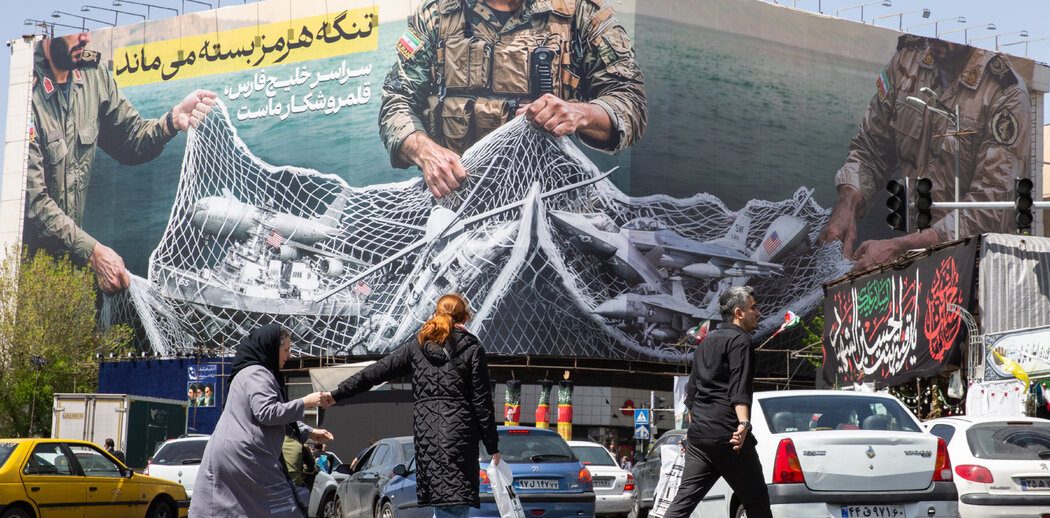
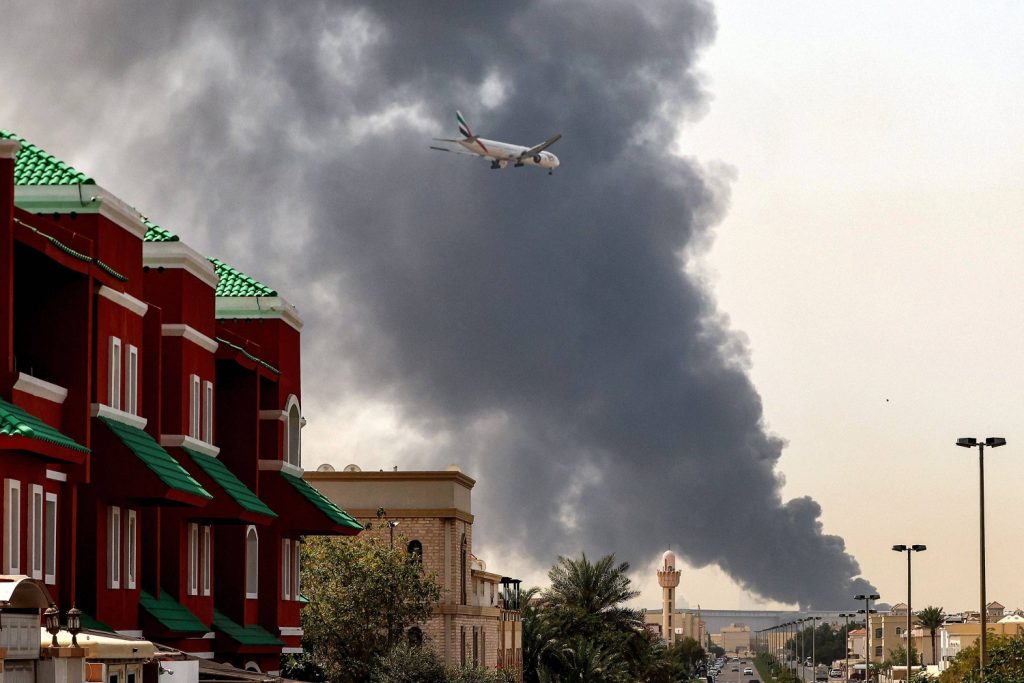
The United Nations has warned of severe economic fallout from the war involving the United States and Israel against Iran, saying the conflict could wipe out nearly $200 billion in economic growth across the Middle East. A report by the U.N. Development Programme found Arab countries could lose between $120 billion and $194 billion in GDP due to disruptions caused by the war that began in late February.
Detail
The report suggests the impact could persist even if the conflict ends quickly, with unemployment potentially rising by around 4 percentage points, eliminating about 3.6 million jobs and pushing up to 4 million people into poverty.
The hardest-hit areas are expected to be the Gulf states and the Levant, with losses exceeding 5.2% of GDP in each region. Energy producers in the Gulf—particularly Qatar, Kuwait, Saudi Arabia, and the UAE—are facing the effects of the Strait of Hormuz closure, which has disrupted oil and gas exports.
Financial estimates indicate Qatar and Kuwait could see their economies shrink by around 14% if the conflict continues, marking the sharpest downturn since the Gulf War in the early 1990s. Saudi Arabia and the UAE may fare slightly better but are still likely to record contractions between 3% and 5%, despite partial rerouting of exports.
The escalation has already impacted global markets, pushing energy prices higher and widening spreads on Gulf bonds to five-year highs, increasing borrowing costs and pressuring financing plans. Public debt in the region has reached about $1.2 trillion, reflecting steady annual growth.
Meanwhile, a separate report projects Iran’s economy could contract by up to 10.4%, with more than 3.5 million people at risk of falling into poverty, alongside direct damage to infrastructure and essential services from airstrikes.
What’s Next?
Focus now shifts to how long the conflict will last and its impact on global energy supplies, with markets watching for political decisions that could shape the region’s economic scale.