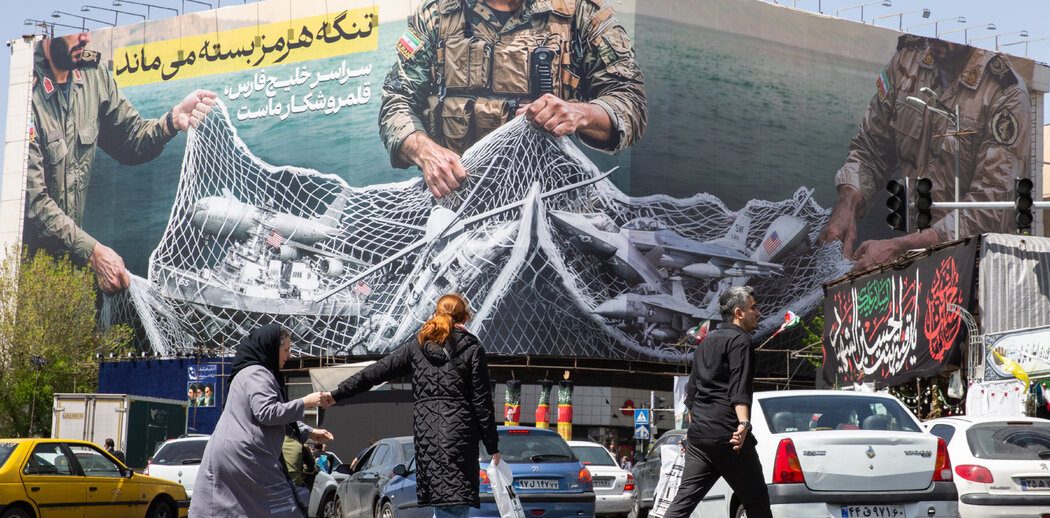
Shipping activity in the Strait of Hormuz has fallen to near standstill levels, effectively realizing a scenario long considered the worst case for the global economy. Despite the lack of a sharp reaction in financial markets so far, experts warn that the real impact has yet to surface and could be more destabilizing than it appears.
Details
The fallout begins in energy markets, where a sharp rise in gas prices points to an expected global inflation wave:
- Liquefied natural gas exports from Qatar have been disrupted as tankers توقف and operating conditions for fields deteriorate.
- Asian countries such as India, Pakistan, South Korea, and Taiwan face acute supply shortages.
- Europe is likely to face additional pressure due to its reliance on LNG to offset reduced Russian supplies.
The impact extends to other critical sectors:
- Qatar produces around one-third of the world’s helium supply, threatening medical equipment and advanced technologies.
- The Gulf provides nearly half of global sulfuric acid production used in essential industries.
Within the Gulf, the crisis appears more severe:
- Limited pipeline capacity makes oil exports difficult without tankers.
- Storage constraints may force countries to shut wells, burn excess oil, or release it.
Additional risks are emerging around foreign labor, which underpins Gulf economies, particularly if workers leave under mounting security tensions.
What’s next?
The trajectory of the crisis hinges on how long the strait remains closed, with mounting pressure on energy markets, inflation, and the stability of both regional and global economies.