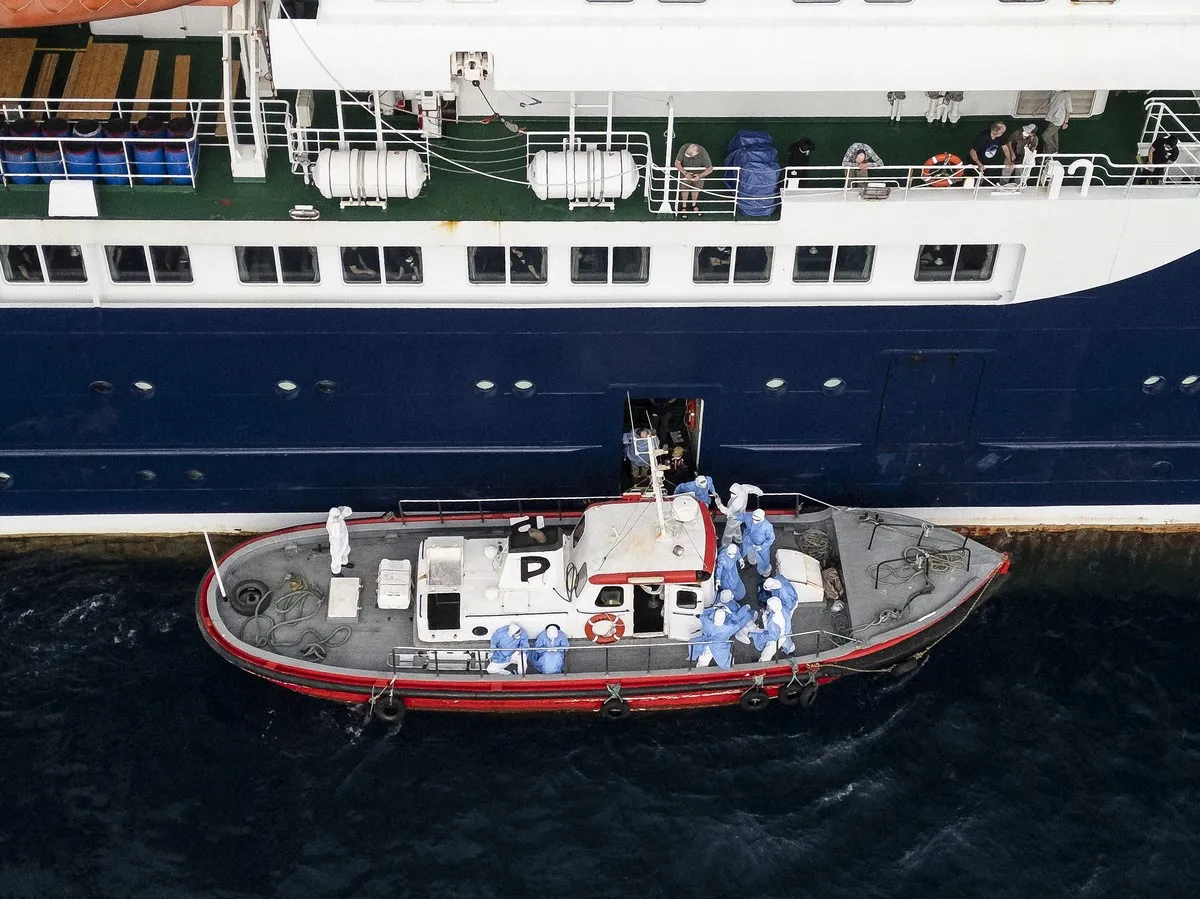
The suspension of Project Freedom shifted from a U.S. tactical decision into a sign of direct Saudi pressure, after reports said Riyadh informed Washington that it would not allow the use of Prince Sultan Air Base or Saudi airspace to support the mission to escort ships through the Strait of Hormuz.
Details
• According to the NBC report, as carried by other outlets, several U.S. Gulf allies were surprised by Trump’s announcement of Project Freedom to escort ships through the Strait of Hormuz.
• The reports said Saudi Arabia informed the United States that it would not allow U.S. aircraft to use Prince Sultan Air Base or Saudi airspace to support the operation.
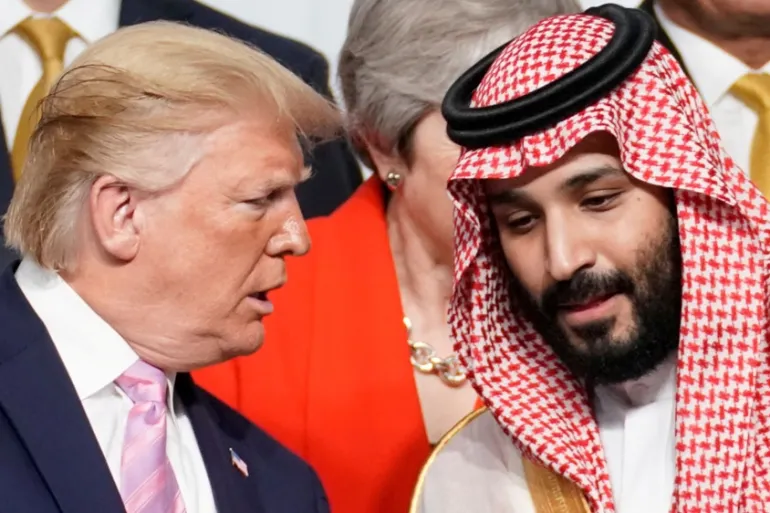
• Trump tried to resolve the dispute in a call with Saudi Crown Prince Mohammed bin Salman, but the issue was not settled, contributing to the suspension of the operation.
• The importance of the Saudi position is that Project Freedom was not only a naval mission. It required an air umbrella, transit routes, and logistical support.
• Without Saudi airspace, the mission becomes more complicated and more costly, especially since some U.S. operations in the region practically depend on allied geography.
• At the same time, a Saudi source said Riyadh is in regular contact with Trump, his vice president, the State Department, and Central Command, and that it supports Pakistan’s diplomatic efforts to end the war.
• The White House said regional allies had been notified in advance, but reports citing diplomats said coordination with some parties came after the announcement, not before.
What’s next?
The Saudi position sets a clear rule: Riyadh does not want its territory and airspace turned into a platform for an uncalculated escalation in Hormuz, but it does not oppose a diplomatic track to end the war.
If Pakistan’s mediation succeeds, Saudi Arabia will look like a pressure player that helped stop escalation. But if it fails, Washington may return to seeking broader Gulf support, and then the real gap will become clearer between Trump’s desire for military pressure and Gulf capitals’ calculations.
Sources: