News
Iran is reviewing a 14-point US proposal to end the war, as Washington tries to push Tehran into accepting a fast-track framework covering the nuclear file, the Strait of Hormuz, and sanctions.
So far, there has been no official Iranian confirmation of US President Donald Trump’s claim that Tehran agreed to hand over its nuclear materials. Iran’s Foreign Ministry said the exchanged texts are still under review and that no response has yet been conveyed to Washington.
Details
• Western sources said the proposal being circulated through Pakistani mediation includes a halt to hostilities and opens the door to broader negotiations on nuclear restrictions, sanctions, and freedom of navigation in the Strait of Hormuz.
• The US side is tying any breakthrough to freezing or halting uranium enrichment and removing the highly enriched stockpile, while Iranian parties view the proposed formula as closer to a list of US demands than a balanced understanding.
• Pakistan is trying to keep hold of the mediation channel after its role in relaying messages between Washington and Tehran, amid talk of possible resumed talks in Islamabad next week.
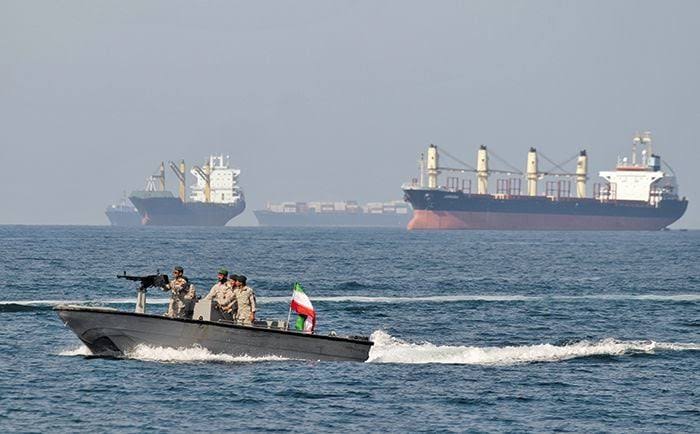
• On the ground, the Strait of Hormuz remains the most dangerous flashpoint, with reports of clashes, mutual threats, and disruption to shipping and energy flows, making any political deal practically tied to halting maritime escalation.
• Regionally, Gulf states are watching the track cautiously, because reopening Hormuz and reducing mutual strikes would ease pressure on energy and shipping, while failure of the proposal could push the region back into a wider wave of attacks and responses.
What’s next?
Washington is awaiting an official Iranian response to the proposed text. If Tehran accepts the framework in principle, the hardest battle will begin over the details of enrichment, the mechanism for removing the nuclear stockpile, the timetable for lifting sanctions, and guarantees for reopening the Strait of Hormuz. But if Iran rejects the core clauses, military and maritime escalation will quickly return to the front of the crisis.