Key Points
- Trump and Vance meet Qatar's prime minister Monday in Washington after his Tehran visit last week.
- Iran's foreign ministry says removing enriched material from the country is not under discussion at all.
- Rubio and a senior UAE official both said a breakthrough is not close.
The latest:
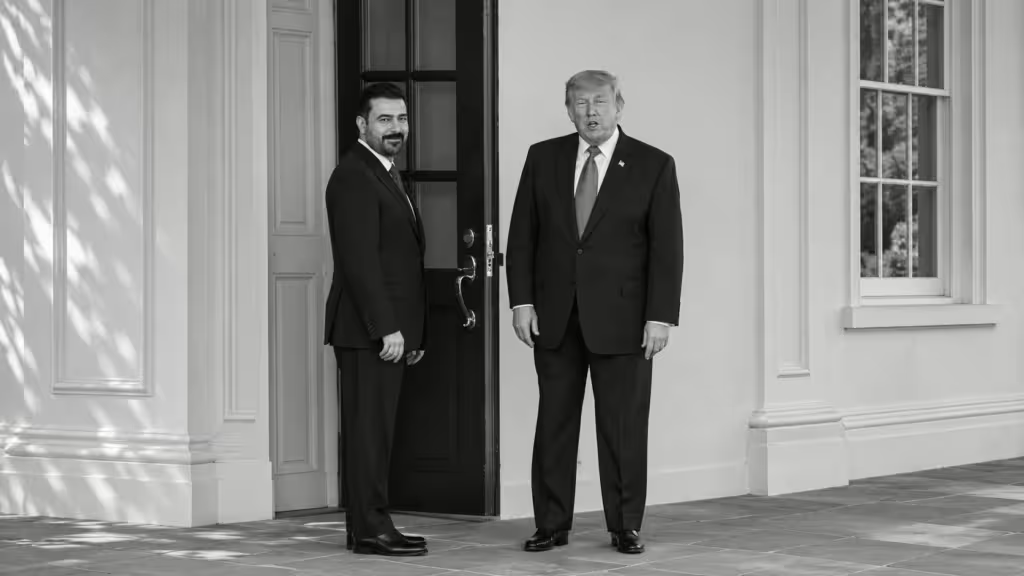
Qatar’s prime minister and foreign minister Sheikh Mohammed bin Abdulrahman Al-Thani meets Donald Trump and JD Vance in Washington on Monday, days after travelling to Tehran, Reuters reported. The push comes more than eight months into the war Trump launched alongside Israel on February 28. Senior US and Gulf officials said a deal is not close, and Washington still rejects Iran’s truce plan.
Details:
- The Iranian plan: According to Reuters, Tehran’s proposal calls for an end to the US blockade of its ports, the lifting of some sanctions and a halt to bombing, in return for Iran ending its own blockade of the Strait of Hormuz. Talks on the nuclear programme and remaining sanctions would follow later.
- Enrichment red line: Iranian foreign ministry spokesperson Esmaeil Baghaei told Al Mayadeen that shipping enriched material out of the country is not on the agenda at all, according to IRNA. He criticised what he described as Washington’s shifting demands, and said the plan’s implementation window had been compressed from seven days to two.
- The US answer: Secretary of State Marco Rubio on Sunday called Tehran’s conditions “outrageous and ridiculous and really not realistic”, Reuters reported, and said he did not believe a diplomatic breakthrough was imminent. Baghaei on Monday defended the proposal as the most reasonable offer currently on the table.
- The Iraqi channel: Iraqi Prime Minister Ali Falih al-Zaidi spent several hours in Tehran on Friday, November 6, meeting Iran’s lead negotiator Mohammad Baqer Qalibaf, Fars news agency reported, citing an informed source. The source said Qalibaf thanked Baghdad for its mediation and walked al-Zaidi through the two-day plan, insisting Washington must respect Iran’s rights. No date was given for a new round.
- The politics: Senior Republicans including Vance have blamed last week’s midterm election losses on the Iran war, Reuters reported. Vance, who negotiated the short-lived June truce, will join Monday’s meeting. Qatar has been a prime mediator since early in the war, carrying messages and proposing bridging formulas.
- Gulf scepticism: Senior UAE official Anwar Gargash said Monday a comprehensive US-Iran political settlement appeared difficult, and called for preparing for a long period of uncertainty in which neither a decisive resolution nor a stable regional order can be assumed.
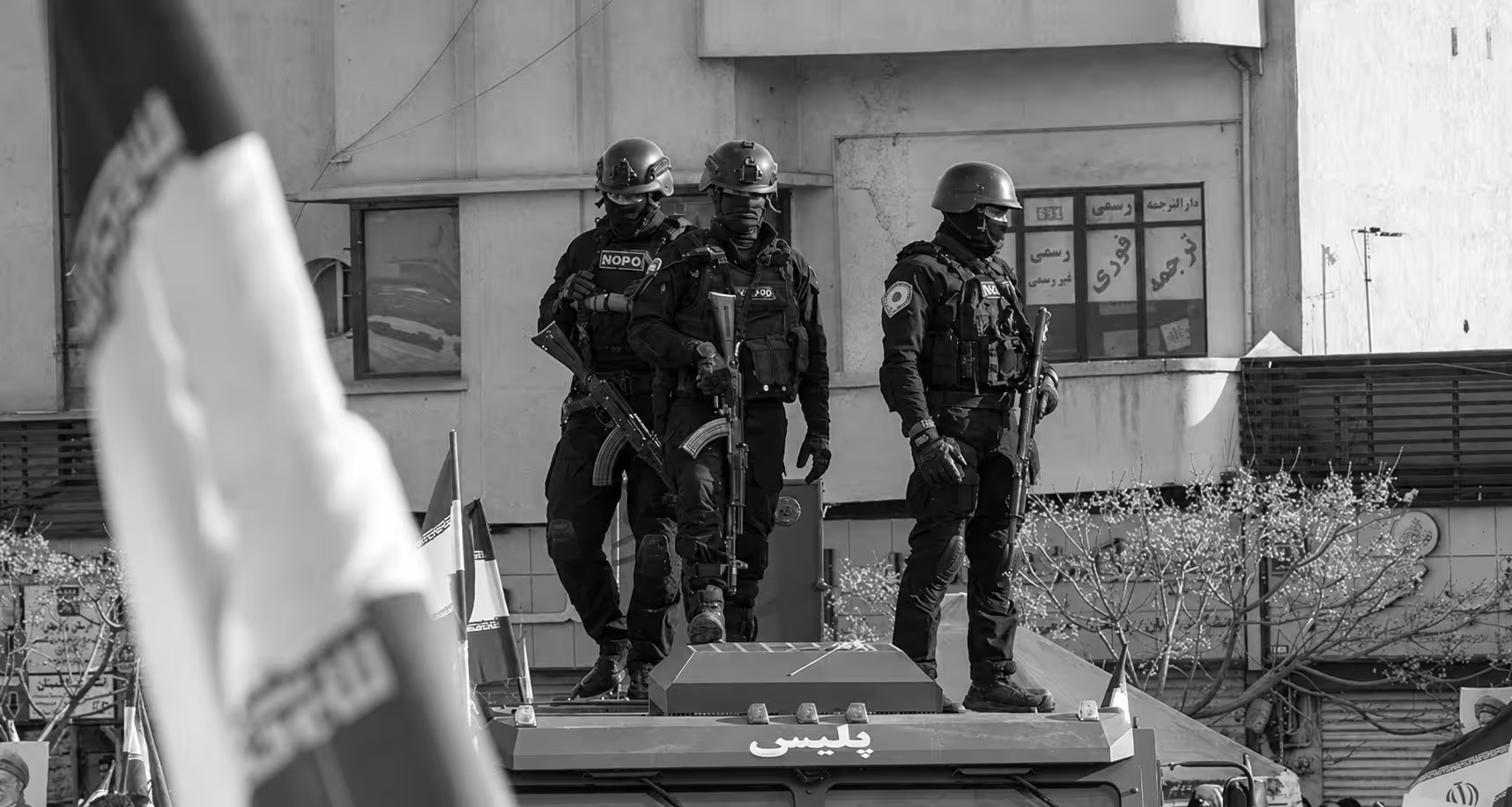
- Strikes overnight: US forces struck Iran’s Qeshm island, Iranian state media reported. A provincial official told Fars the strikes did not hit vital infrastructure or services. A senior Iranian source told Reuters US strikes have targeted radar systems serving air defence and ship navigation, plus missile launcher and mine-laying bases. Washington has not commented.
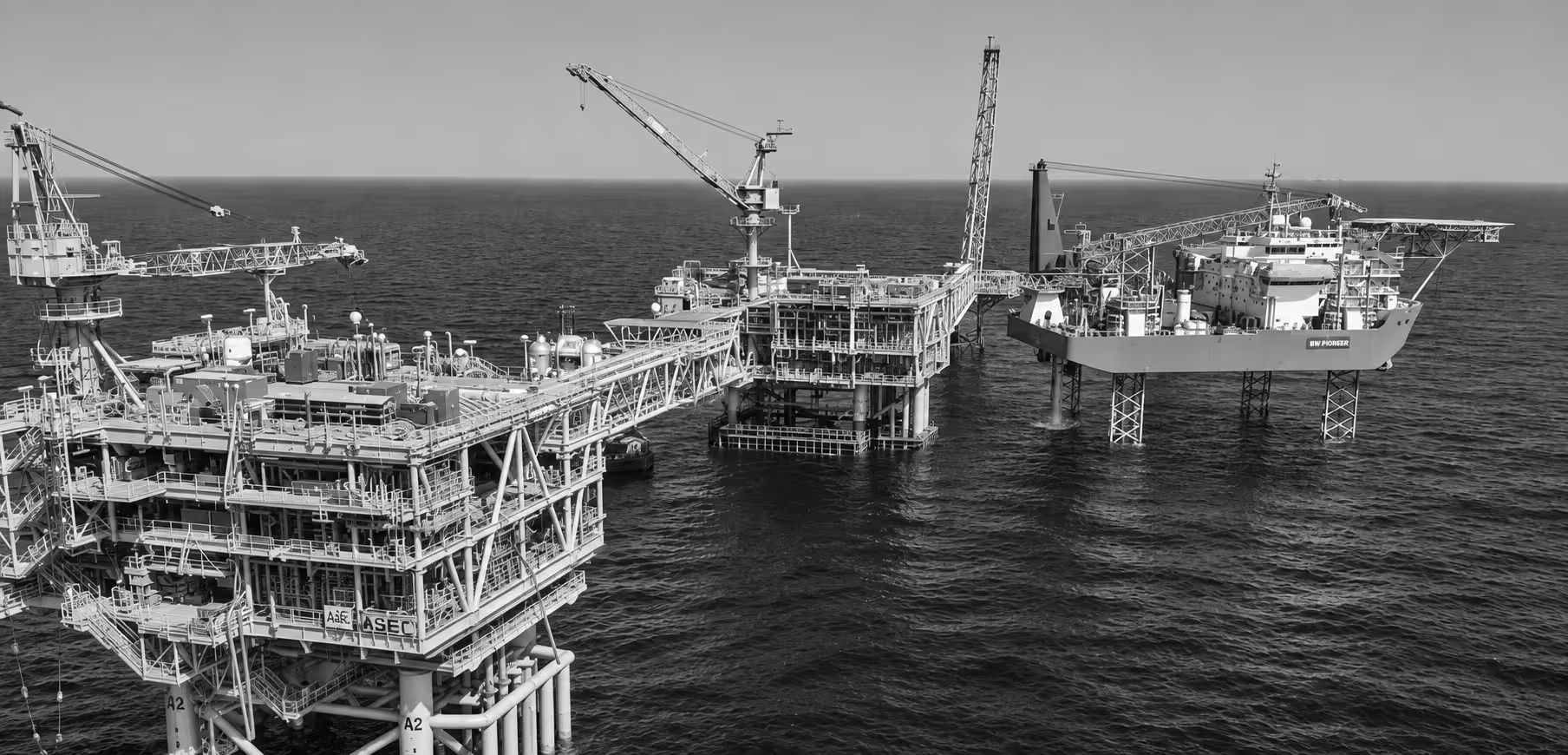
- The shipping war: Attacks on tankers in the Gulf and Strait of Hormuz rose sharply in October and remain at the highest rate since the war began, per international maritime agency figures. Iran said Sunday a tanker struck a mine east of the strait; Iranian state television said Monday 11 tankers had been disabled in 10 days.
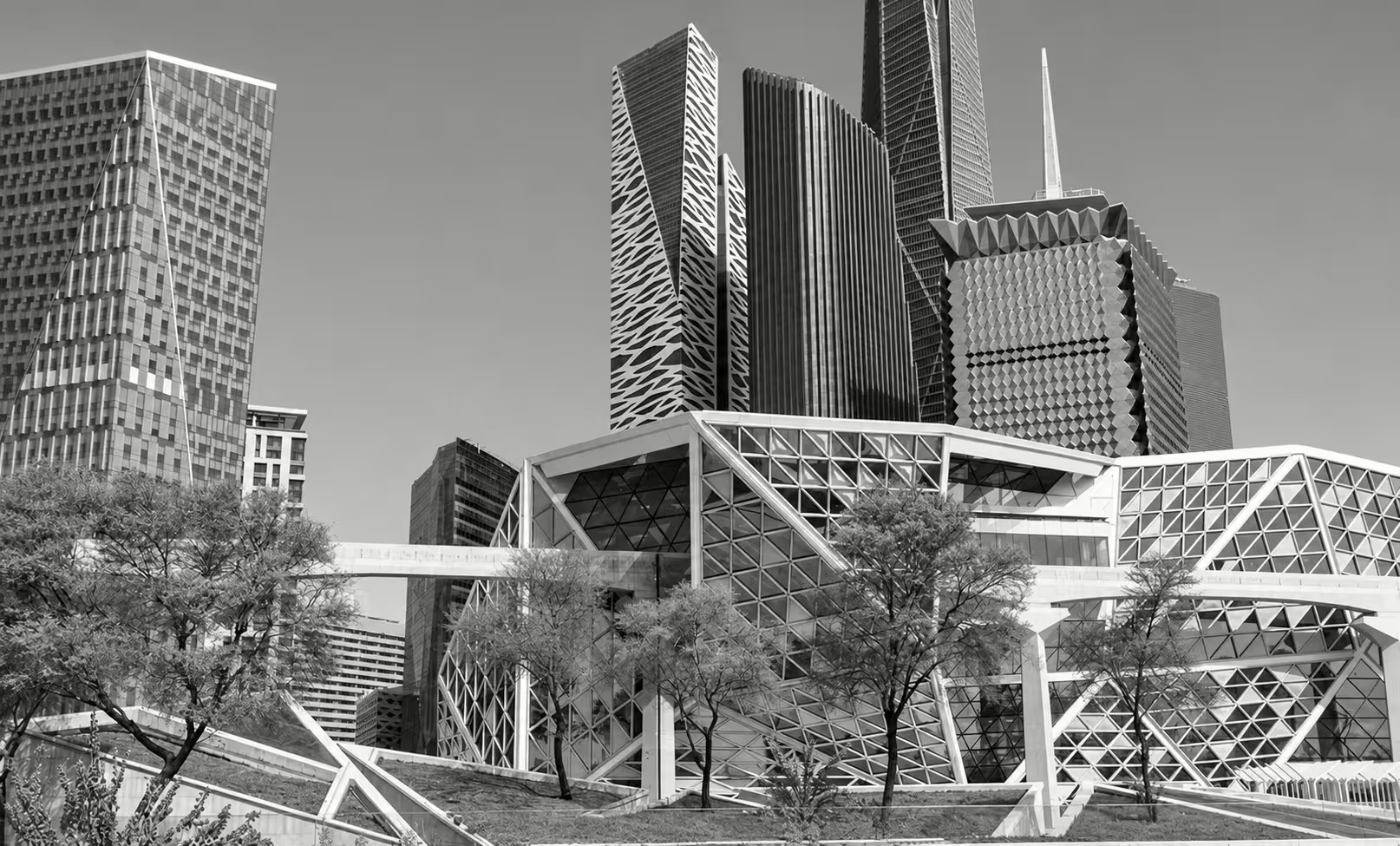
- Spillover: Yemen’s Houthis said Sunday they hit an Aramco office building in Riyadh’s financial district, blowing out windows across several floors. Saudi Arabia’s Energy Ministry acknowledged damage from an attempted attack without assigning blame. Turkish President Tayyip Erdogan said he told Trump that Ankara opposes further escalation.
Background:
The conflict began on February 28 with a US-Israeli campaign against Iran. It has since triggered a global energy shortage, drawn Iranian strikes on Gulf Arab states, spilled into a major Israeli offensive in Lebanon, and reignited Yemen’s civil war.
Between the lines:
Two mediation tracks are now running at once — Doha’s channel into Washington and Baghdad’s into Tehran — while the gap they are meant to bridge keeps widening. Iran has shortened its implementation window from seven days to two and ruled out moving enriched material, framing concessions as timing rather than substance. Washington has called those terms unrealistic, and midterm losses attributed to the war raise the cost of both continuing and conceding.
What’s next
Watch whether Monday’s White House meeting produces any US movement on Iran’s plan, whether Tehran names a date for a new negotiating round, and whether the pace of tanker attacks in the Strait of Hormuz holds.