Key Points
- Iraq's foreign minister said the US Treasury asked Baghdad to shut nearly all Iran border crossings.
- Only two crossings would stay open, one of them inside the Kurdistan region.
- Baghdad says a full closure is impractical and would damage its own economy.
The latest:
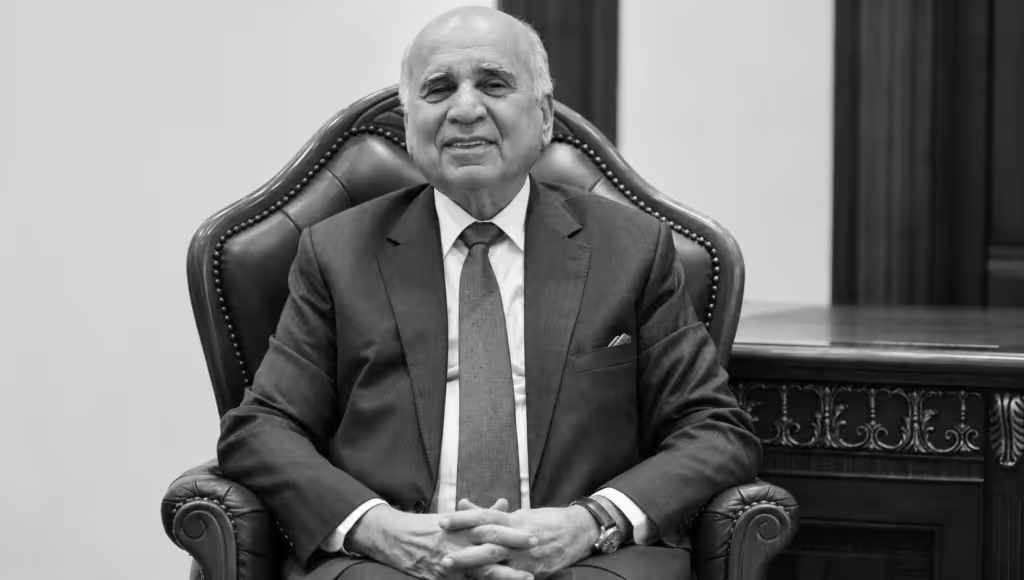
The US Treasury has asked Iraq to close every border crossing with Iran except two, Iraqi Foreign Minister Fuad Hussein said in an interview with Al Jazeera. He said one of the two exempted crossings lies in the Kurdistan region, and that Baghdad and Washington remain in talks. Hussein described a full shutdown as difficult and economically damaging.
Details:
- The request: Hussein said the request came from the US Treasury, the arm of the American government that administers sanctions, and covers all Iraqi crossings with Iran apart from two. He framed it as part of Washington’s policy of tightening economic pressure on Tehran.
- The exceptions: One of the two crossings that would remain open is in the Kurdistan region, according to Hussein. He did not identify the second exempted crossing, nor did he say how the two were selected or whether their status is already settled between the two governments.
- Baghdad’s position: Hussein said Iraq has not agreed to the demand. He argued that shutting every crossing would be difficult in practice and would hit the Iraqi economy, pointing to the volume of trade and movement that runs across the frontier with Iran.
- In his words: “There are many official and unofficial border crossings with Iran, and closing all of them would be difficult and would affect our economy. The Americans are still demanding the closure of the crossings, and we are currently in discussions with them,” Hussein said.
- Unofficial routes: The minister drew a distinction between official and unofficial crossings along the border, indicating that any closure order would reach beyond the formal checkpoints Baghdad controls. He did not give a number for either category or describe how unofficial routes would be sealed.
- State of talks: Hussein said discussions with the American side are ongoing. He gave no timetable, named no deadline set by the Treasury, and did not say what Iraq is offering in return or what consequences Baghdad has been told to expect if it declines.
- The interview: The remarks were made to Al Jazeera and reported by Reuters on November 8, 2026. They are the Iraqi government’s own account of the US request; no corresponding statement from the US Treasury accompanied Hussein’s description of the demand.
- What is at stake: Iraq sits between its largest neighbour and its principal security partner. Hussein’s objection was economic rather than political, resting on the cost to Iraqi trade rather than on any defence of Tehran’s position or rejection of the American pressure campaign itself.
- Also: Talks with Washington are continuing, with no agreement announced.
Background:
Washington has long sought to squeeze Iran’s economy through sanctions, and Iraq’s land border with Iran is one of Tehran’s most active trade corridors. Baghdad has repeatedly tried to avoid being forced into a choice between its economic ties with Iran and its relationship with the United States.
Between the lines:
Hussein’s framing is notable for what it concedes and what it avoids. By calling closure difficult and economically costly rather than unacceptable, he leaves room for a negotiated outcome rather than a refusal. The reference to unofficial crossings also signals a practical defence: even an order accepted on paper would be hard for Baghdad to enforce along the full length of the border.
What’s next
Watch for a US Treasury statement confirming or detailing the request, any Iraqi cabinet decision on crossings, and whether the second exempted crossing is named as the talks Hussein described continue.