The latest:
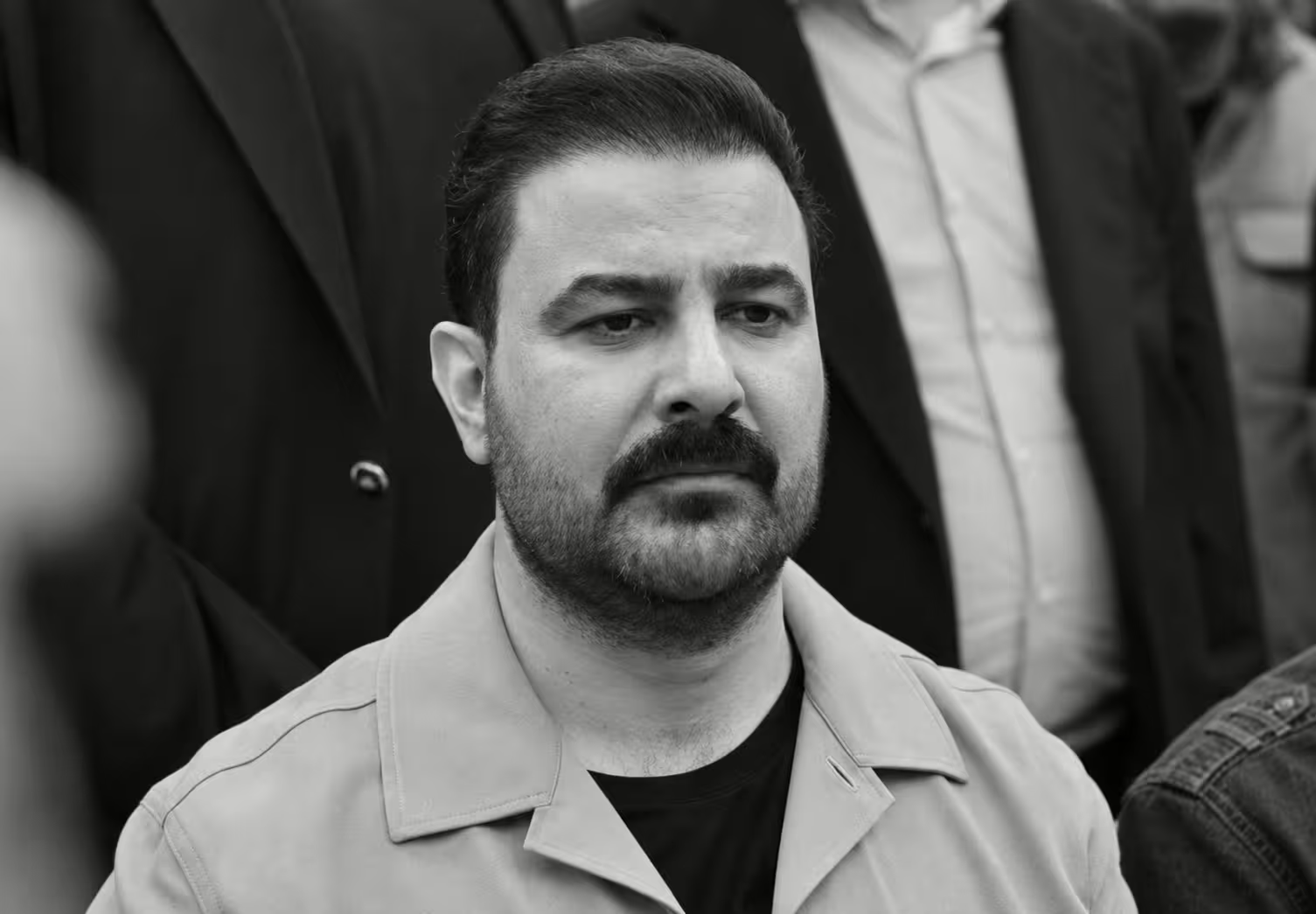
Iran’s Revolutionary Guard publicly brushed off the newest American effort to choke off its overland trade, with spokesman Hossein Mohebbi telling the semi-official Fars news agency that Washington cannot impose enough economic pressure to collapse the Iranian economy through this approach. He said Tehran had made preparations and maintains close contacts with its neighbors, Reuters reported Sunday.
Details:
- The task force: Reuters reported Saturday that the US military is forming a task force named Iron Gate, headquartered in Tampa, Florida, to tighten the squeeze on Tehran’s movement of advanced weapons systems and other sanctioned materials across its land borders and the Caspian Sea.
- Its mandate: Beyond weapons transfers, CENTCOM said the force will focus on halting the flow of dual-use technologies Iran relies on and curbing revenue streams Washington describes as illicit, coordinating with other US government agencies.
- The agencies: A US military official, speaking on condition of anonymity, said those agencies are expected to include the Treasury, State and Justice departments as well as intelligence services. CENTCOM did not publicly list the participating bodies in its own statement.
- Commander’s framing: Admiral Brad Cooper, head of Central Command, said in a statement that deepening cooperation with partners across US agencies would further limit Iran’s ability to finance terrorism, rebuild weapons plants and reconstitute its military capabilities.
- The numbers: CENTCOM estimated its naval blockade has prevented Iran from exporting more than $25 billion worth of crude oil. It also said US forces have redirected 147 commercial vessels that complied with blockade orders since July and disabled five that refused.
- Enforcement at sea: CENTCOM said a US aircraft struck and disabled the Saint Kitts-flagged M/V Huda in the Gulf of Oman on November 7 with precision munitions after repeated warnings. The command said the ship had visited an Iranian port and was leaving territorial waters.
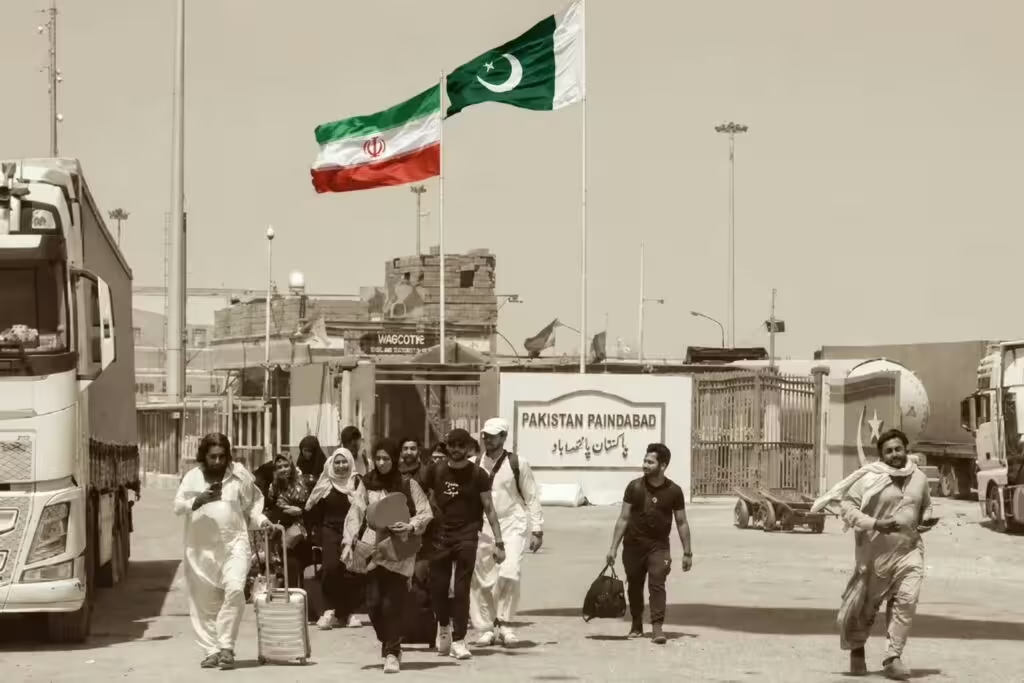
- The smuggling network: A Reuters investigation concluded Iran built a covert network of military bodies to import at least $2 billion in equipment, explosives and heavy trucks since January 2025, bypassing the blockade. Cargo moved by Caspian ship from Russia, by truck from Central Asia and by freight aircraft from China.
- The war backdrop: The task force comes more than eight months after the United States, alongside Israel, launched a war on the Islamic Republic. Reuters reported that while US strikes devastated Iran’s conventional military, Tehran still poses a significant regional threat and its rulers have tightened their grip at home.
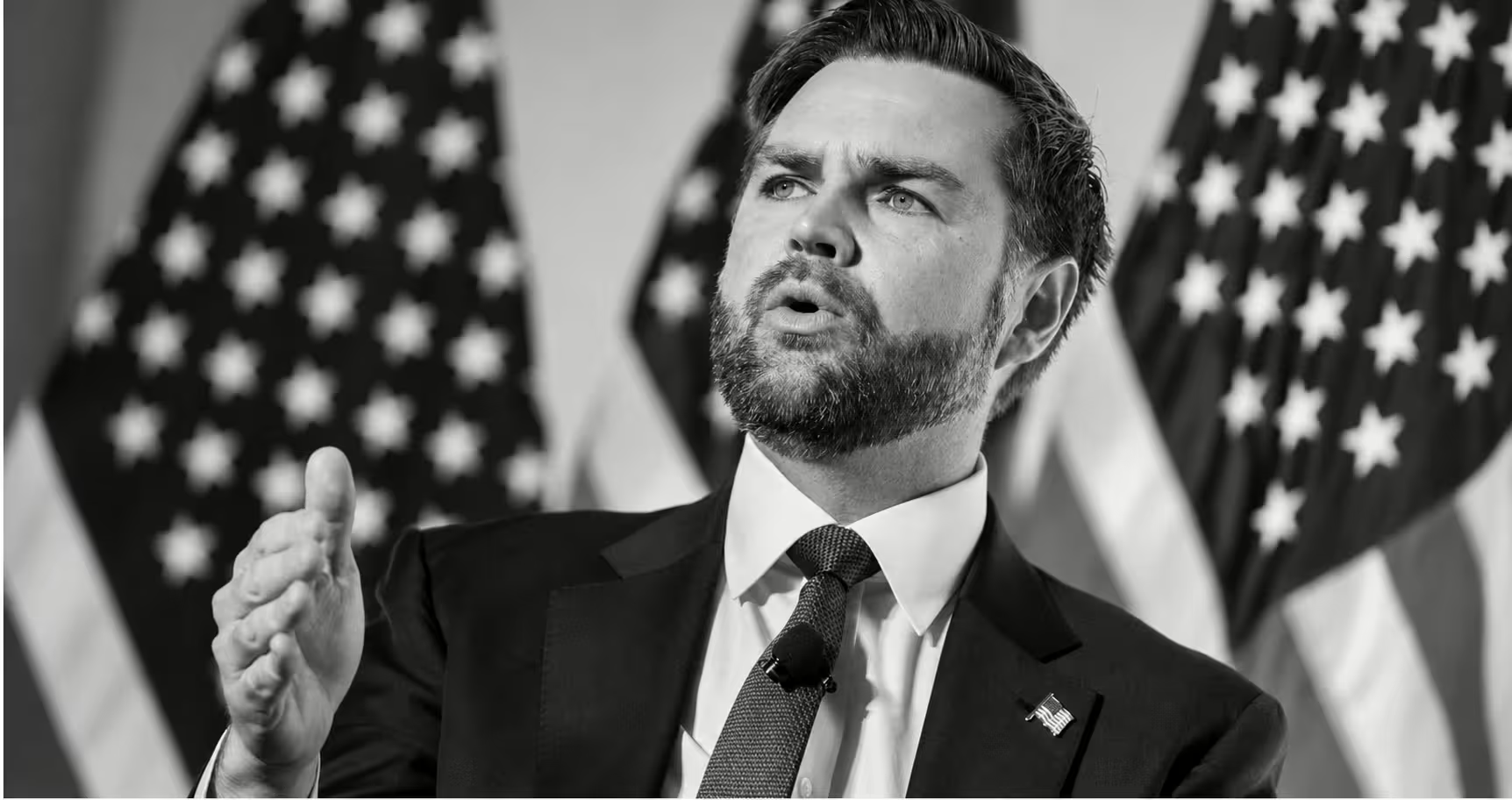
- Washington politics: Iran celebrated US midterm results that punished President Trump’s Republican Party and handed Congress to the Democrats. Vice President JD Vance blamed the electoral defeat on the Iran war and appeared to question the conflict’s value.
- Supply strain: Iran International reported Food and Drug Administration spokesman Mohammad Hashemi said Saturday that Iran faces supply difficulties with roughly 40 of about 700 vital medicines, while authorities build strategic stockpiles.
Background:
Washington imposed a continuous naval blockade on Iran months ago, sharply restricting crude exports through the Strait of Hormuz and the Arabian Sea. Iran International reported the central bank governor said about $30 billion in foreign currency was provided for essential imports, medicine and industrial raw materials.
Between the lines:
The sequence runs one way: the sea closed first, then Reuters documented $2 billion in goods arriving by Caspian ship, Central Asian truck and Chinese cargo plane, and now a task force aims at exactly those routes. Mohebbi’s reliance on neighbors describes the same corridors. Reuters reported US intelligence assessments concluding renewed strikes would not fundamentally shift Tehran’s negotiating position or topple its government.
What’s next
Watch whether mediators, who intensified efforts in recent days to end the war, produce talks; whether Trump follows through on threats of a new attack; and whether Iron Gate announces interdictions on Caspian or Central Asian routes.