Key Points
- The IEA projects the UAE will top global solar electricity generation per person by 2031.
- Oman and Qatar are forecast to rank third and fifth in the same global top 10.
- The projection anchors Gulf diversification plans as regional renewable capacity scales up sharply.
The latest:
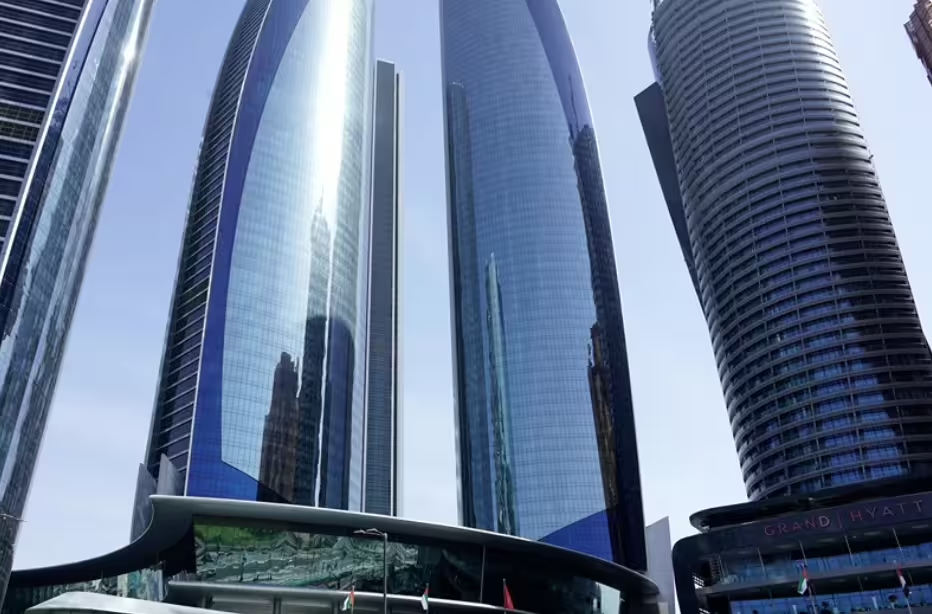
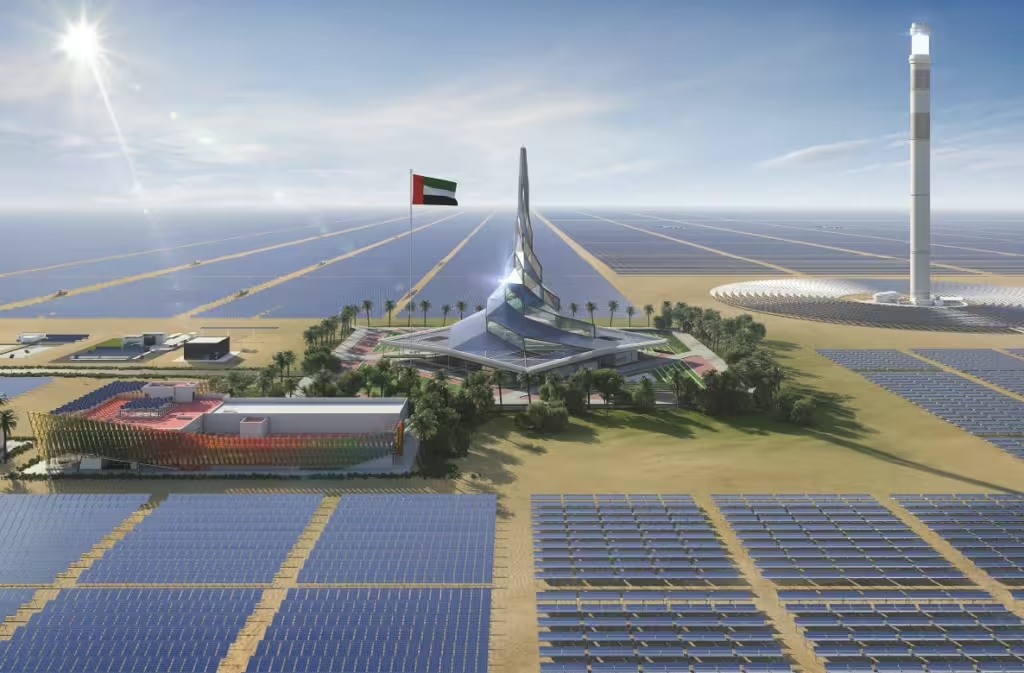
The UAE is set to become the world’s largest producer of solar electricity per capita by 2031, generating more than 4,000 kilowatt-hours per person, according to the International Energy Agency’s Renewables 2026 report. The agency forecasts renewable capacity across the Middle East will expand significantly over the next six years, with Oman and Qatar also entering the global top 10.
Details:
- The figure: The IEA projected UAE solar generation would exceed 4,000 kilowatt-hours per person by 2031, placing it first globally. That is roughly five times the projected worldwide average of about 800 kilowatt-hours per person over the same period.
- The rankings: Australia is projected to rank second behind the UAE, with Oman third and Bulgaria fourth. Qatar takes fifth place, followed by Greece, Austria, Spain, China and Chile, giving the Middle East three countries in the global top 10.
- The threshold: All 10 countries in the ranking are expected to generate at least 2,000 kilowatt-hours of solar electricity per person by 2031, according to the IEA — a benchmark well above the global average the agency projects for the same year.
- Global outlook: The agency expects solar power to account for more than three-quarters of the growth in renewable electricity capacity worldwide. Total global renewable capacity is projected to rise by nearly 85 per cent by 2031, according to the Renewables 2026 report.
- The Emirati target: Suhail bin Mohammed Al Mazrouei, Minister of Energy and Infrastructure, announced at the Middle East Energy summit in September that the UAE had raised its clean energy target to 35 per cent by 2030–2031, covering both renewable and nuclear power.
- What it requires: Al Mazrouei said reaching the target would depend on launching new projects, intensifying competition and widening private-sector participation in electricity generation. He did not set out a project-by-project timeline or name the schemes involved.
- Regional drivers: IEA analysts attributed the Middle East’s expanding share of global renewable capacity growth to strong policy support and the development of renewable energy markets in the region, which the agency expects to contribute significantly more over the coming years.
- The economic frame: The report highlighted what it described as the UAE’s continued leadership in expanding renewable energy use as part of the country’s broader effort to diversify its economy away from hydrocarbon revenues.
Background:
Per-capita solar generation measures output against population rather than total installed capacity, which favours smaller, high-sunshine states. That metric explains how Gulf countries with modest populations can outrank far larger solar markets in absolute terms.
Between the lines:
The ranking rests on a denominator as much as a numerator: the UAE, Oman and Qatar combine high solar irradiance with small populations, so each new plant moves the per-capita figure sharply. The IEA’s attribution of regional growth to policy support, alongside Al Mazrouei’s call for more private participation, points to state-set targets still needing outside capital to be met.
What’s next
Watch for the project tenders and private-sector openings Al Mazrouei linked to the 35 per cent target, and for the IEA’s next Renewables edition to confirm or revise the 2031 per-capita projections.