Key Points
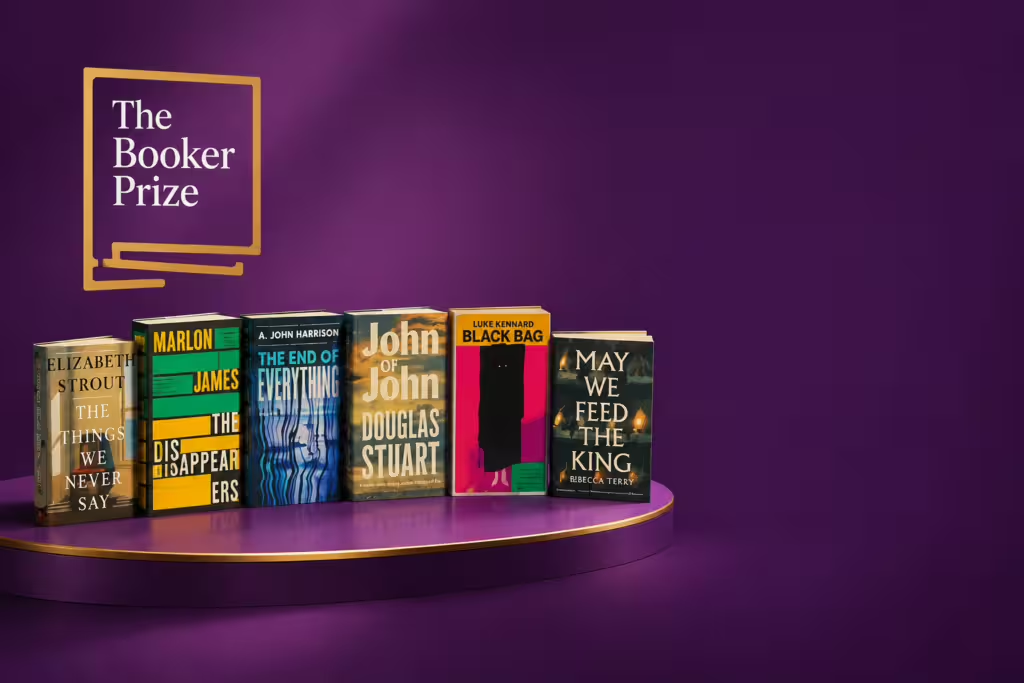
- Six novels made the Booker Prize 2026 shortlist, announced by a panel chaired by Mary Beard.
- Previous winners Marlon James and Douglas Stuart are listed alongside three first-time shortlisted authors.
- The £50,000 winner is announced on 9 November 2026 at Old Billingsgate in London.
The latest:
Six books have made the Booker Prize 2026 shortlist, cut from a longlist of 13 titles drawn from 163 submissions. The selection includes two former winners, Marlon James and Douglas Stuart, and three authors reaching a Booker shortlist for the first time. The 2026 judging panel is chaired by classicist, writer and broadcaster Mary Beard.
Details:
- The judges: Mary Beard chairs a five-member panel that also includes poet and educator Raymond Antrobus, musician and broadcaster Jarvis Cocker, journalist and critic Rebecca Liu, and novelist, poet and essayist Patricia Lockwood, herself previously Booker-shortlisted. The organisers did not break down how the panel reached its six.
- The numbers: The shortlist was selected from the 13-title Booker Dozen, itself chosen from 163 submissions. The winner receives £50,000, while each of the five remaining shortlisted authors receives £2,500. Eligible books are long-form fiction written in English and published in the UK and/or Ireland between 1 October 2025 and 30 September 2026.
- The ceremony: The winning book will be announced on Monday, 9 November 2026 at a ceremony at Old Billingsgate in London. The announcement will be livestreamed from 9.45pm GMT on the Booker Prizes YouTube channel, Instagram and TikTok. Nationality is not a barrier to entry; writers of any nationality may be submitted.
- Returning names: Alongside former winners James and Stuart, the list features Elizabeth Strout, a three-time Booker nominee. Half the selection is made up of writers appearing on a Booker shortlist for the first time, a balance the organisers highlighted in presenting this year’s six.
- The countries: Authors on the shortlist represent four countries: England, Scotland, Jamaica and the United States. The prize, which has run for more than 55 years, describes its role as shaping the canon of 20th and 21st century English language literature.
- The genres: The six books range across dystopian fiction, contemporary realism, campus satire and historical fiction. Organisers described them as both intimate and epic, personal and political, with recurring themes of family bonds, identity, shame, love, loneliness, survival and the limits of knowing other people.
- The characters: The books’ protagonists include a beachcomber on the Kent coast, an out-of-work actor paid to attend university lectures zipped inside a black leather bag for a psychology experiment, and a reluctant monarch in a medieval court threatened by scheming courtiers.
- More settings: Other narratives follow a son returning to a repressive father in a Calvinist island community in the Outer Hebrides, a teacher with a seemingly comfortable life in coastal Massachusetts who is keeping a secret, and a survivor of a homophobic attack in 1980s Kingston, Jamaica, seeking retribution.
Background:
The Booker Prize is awarded annually to a single work of long-form fiction written in English and published in the UK or Ireland. It is open to writers of any nationality, and its shortlists are widely credited with reshaping sales and reputations across the English-language literary market.
Between the lines:
The balance organisers drew attention to is itself the story: three returning names with Booker history, including two outright winners and a three-time nominee, set against three debut shortlistees. With four countries represented and genres running from medieval court intrigue to campus satire, the panel has avoided consolidating around a single literary mode or a single national tradition.
What’s next
The winner is named on Monday, 9 November 2026 at Old Billingsgate in London, with the livestream beginning at 9.45pm GMT on the Booker Prizes YouTube, Instagram and TikTok channels.