Key Points
- US forces struck Iran's Qeshm Island on the Strait of Hormuz, American officials told CBS News.
- A senior official said the strike answered IRGC fire at a US aircraft.
- It lands as Qatari mediators circulate a draft plan to restart direct US-Iran talks.
The latest:
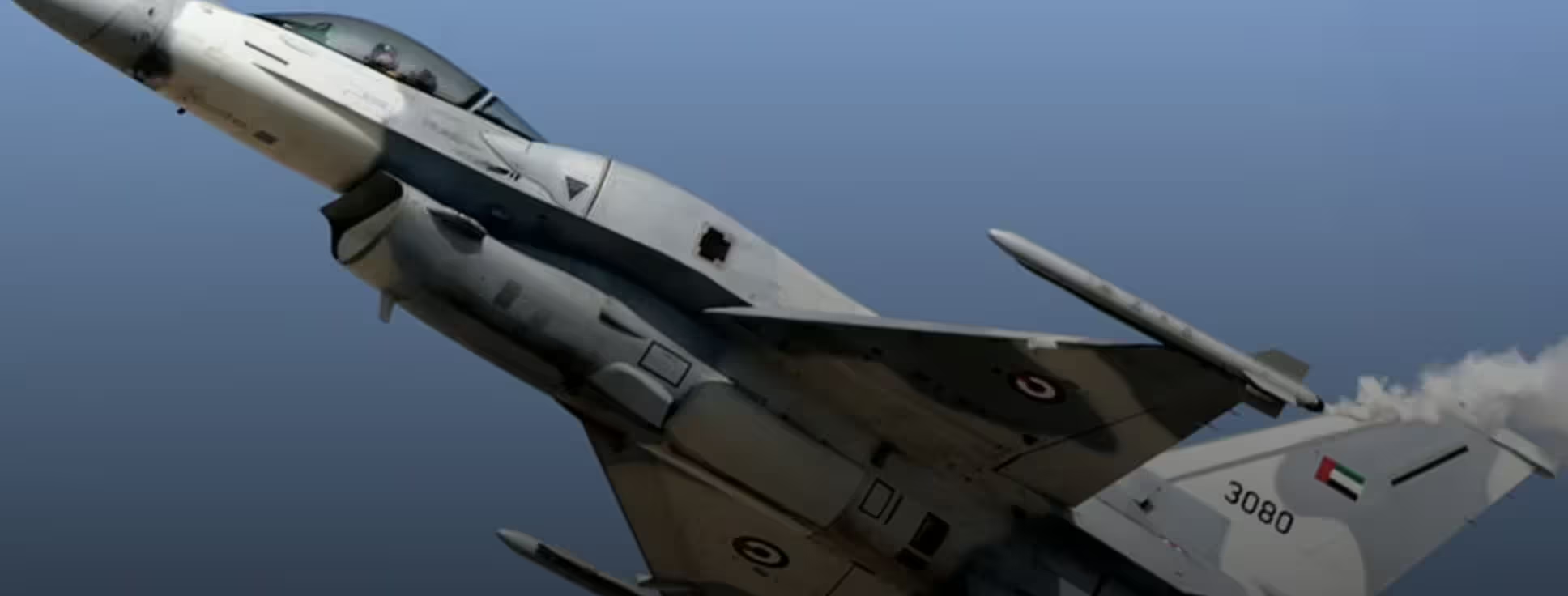
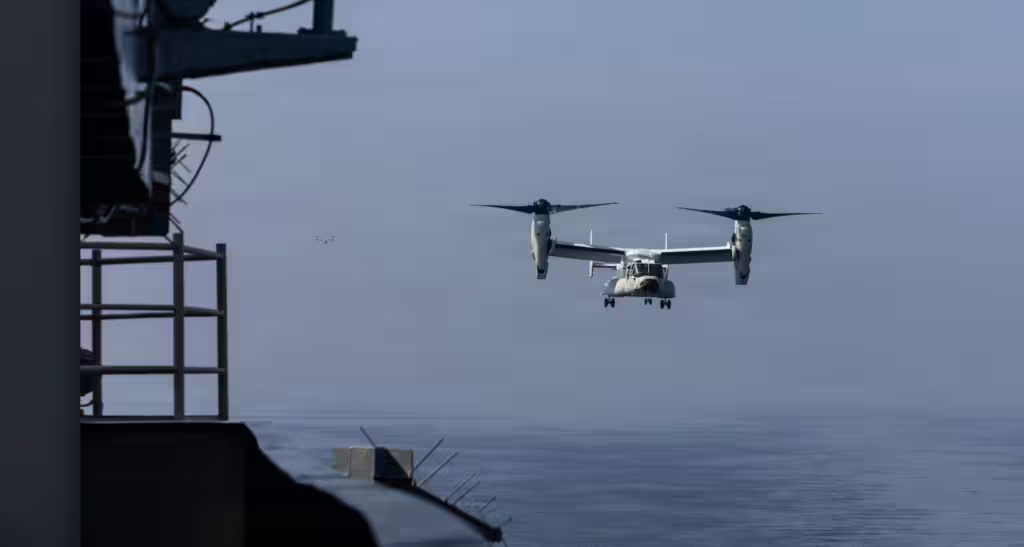
American forces hit targets on Iran’s Qeshm Island on Monday, three US officials confirmed to CBS News, in what a senior official described as a limited defensive strike after the Islamic Revolutionary Guard Corps fired at a US aircraft. The Wall Street Journal first reported the attack, which followed Iranian state media accounts of several explosions on the island at the mouth of the Strait of Hormuz.
Details:
- The pattern: The Wall Street Journal reported the attack was the latest in a series of limited strikes by US forces in recent weeks, conducted on a smaller scale and deliberately kept quiet so as not to signal any intent to resume the major military campaign against Iran.
- The justification: A senior US official told CBS News the strikes targeted Qeshm Island after the IRGC fired at an American aircraft. Other outlets described the action as defensive, responding to Iranian strikes on US assets. US Central Command did not immediately respond to a request for comment.
- Oil reaction: Brent crude futures rose 0.5 per cent to $105.25 a barrel and West Texas Intermediate climbed 0.5 per cent to $96.93 in early Asian trade, on concern over escalation and prolonged disruption to Middle East supplies.
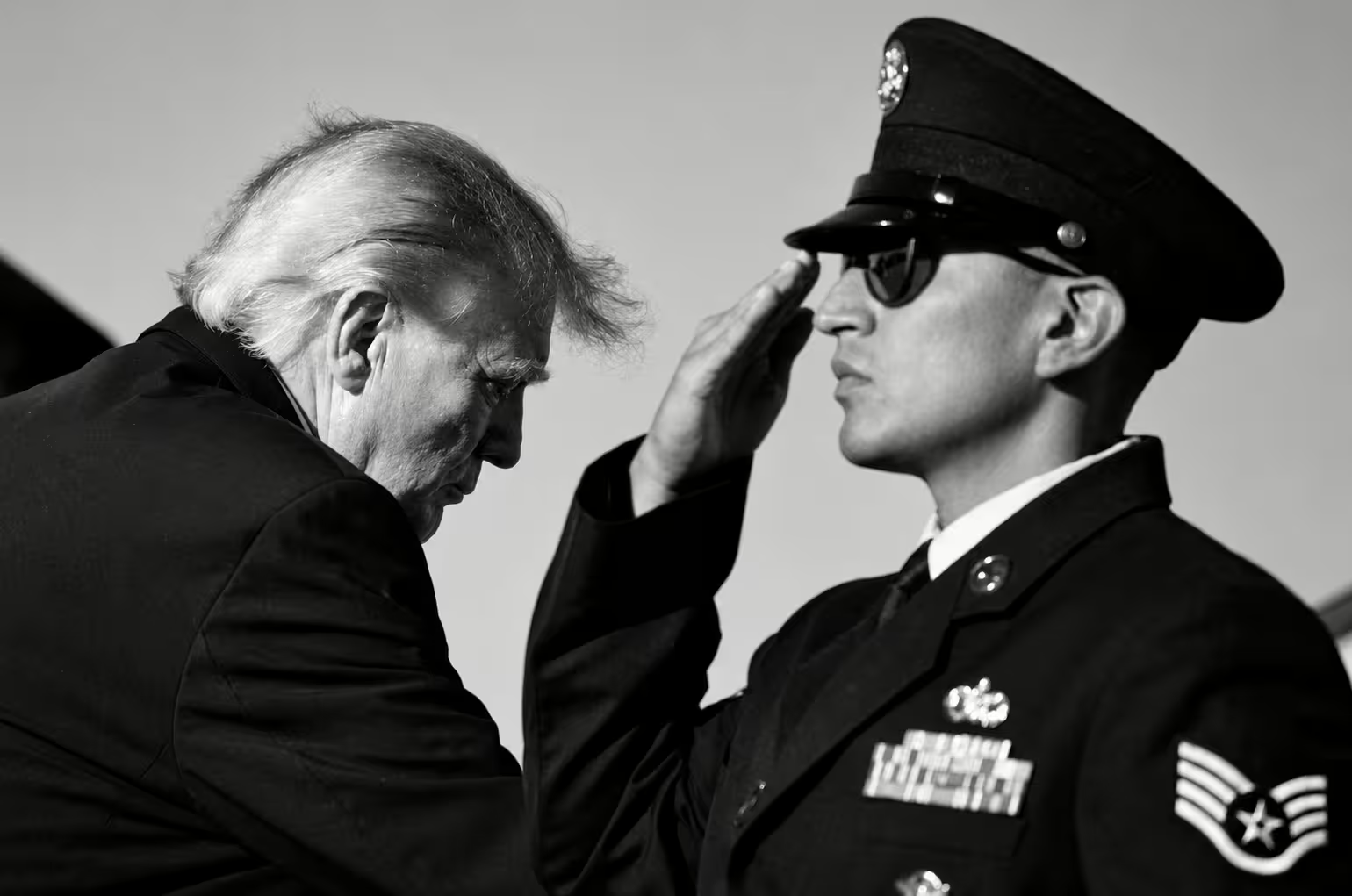
- Trump’s posture: Trump told Axios by phone Monday he is in no rush to decide on resuming fighting, saying Washington had crippled Iran financially. Asked whether he was weighing strikes after Tuesday’s vote, he said no, and that a deal with Tehran could happen. Hours later he posted on Truth Social that oil was dropping nearly $10 a barrel because people believed there would be no war — at odds with the rise recorded in Asian trade.
- The mediation: Qatari mediators have drafted an agreement setting out a three-day sequence of confidence-building measures to resume direct US-Iran negotiations, according to regional sources. Mediator Ali al-Thawadi travelled to Tehran on Monday, and a diplomat with knowledge of the talks said progress is building.
- Three camps: Axios reported Vice President JD Vance and envoy Steve Witkoff are pushing for a deal, backed by most Gulf states; Israeli Prime Minister Benjamin Netanyahu and Defence Secretary Pete Hegseth want combat resumed; Scott Bessent, John Ratcliffe and Marco Rubio favour holding the no-war, no-deal economic squeeze.
- Tehran’s terms: Foreign Minister Abbas Araghchi said exchanges have become very intensive and that talks will resume if Washington accepts Iran’s conditions for reopening the Strait of Hormuz, warning that deception or military operations would draw a more painful response than before.
- Iranian authority: President Masoud Pezeshkian said Supreme Leader Mojtaba Khamenei granted the government certain authorities to pursue an agreement through diplomacy. Araghchi named Qatar and Pakistan as active mediators.
- Outside powers: Vladimir Putin spoke by phone Monday with Iranian security council secretary Mohsen Rezaei, recipient of a recent Vance letter proposing renewed talks. Moscow has offered to take Iran’s enriched uranium stockpile; Rezaei’s deputy met China’s foreign minister in Beijing the same day.
Between the lines:
The strike and the diplomacy are running on the same clock. Washington is calibrating force to stay below the threshold of a declared campaign — small, unannounced, framed as defensive — while Qatari drafts move between capitals. Trump’s three advisory camps explain the ambiguity: no single track has won, so limited fire and open negotiation proceed together.
What’s next
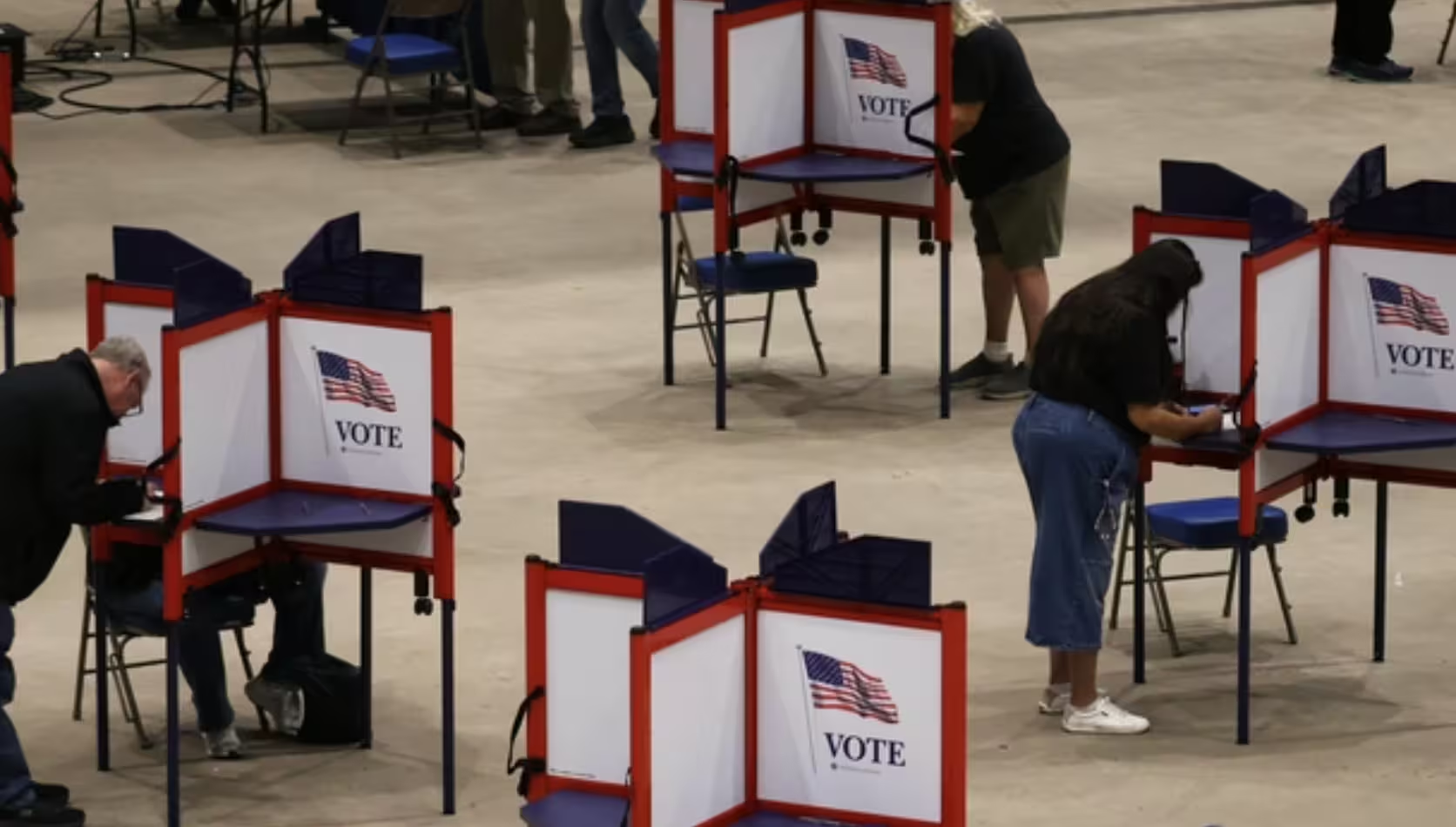
Watch for Qatari mediators to receive US and Iranian feedback on the three-day draft, for any CENTCOM account of the Qeshm strike, and for Trump’s posture on Iran once Tuesday’s midterm results are in.