Key Points
- Gulf governments are preparing for renewed US-Israeli strikes on Iran once American midterm elections pass.
- Trump ruled out fresh strikes before the November 3 vote while keeping negotiations open.
- A second round could hit Gulf energy sites, airports and shipping, officials warn.
The latest:
Gulf capitals are preparing for a war they spent months trying to prevent, with fears that Washington and Israel could resume large-scale attacks on Iran after Tuesday’s American midterm elections. Senior Arab officials warned at a Bahrain security conference that renewed fighting would be substantially more destructive than earlier exchanges, threatening energy installations, airports, shipping routes and civilian infrastructure across the Gulf.
Details:
- The Emirati warning: Anwar Gargash, diplomatic adviser to the UAE president, said the region was seeking a political way out of a crisis it had worked to avert. He warned that a failure to bridge the gap between Washington and Tehran would leave Gulf states facing the worst possibilities.
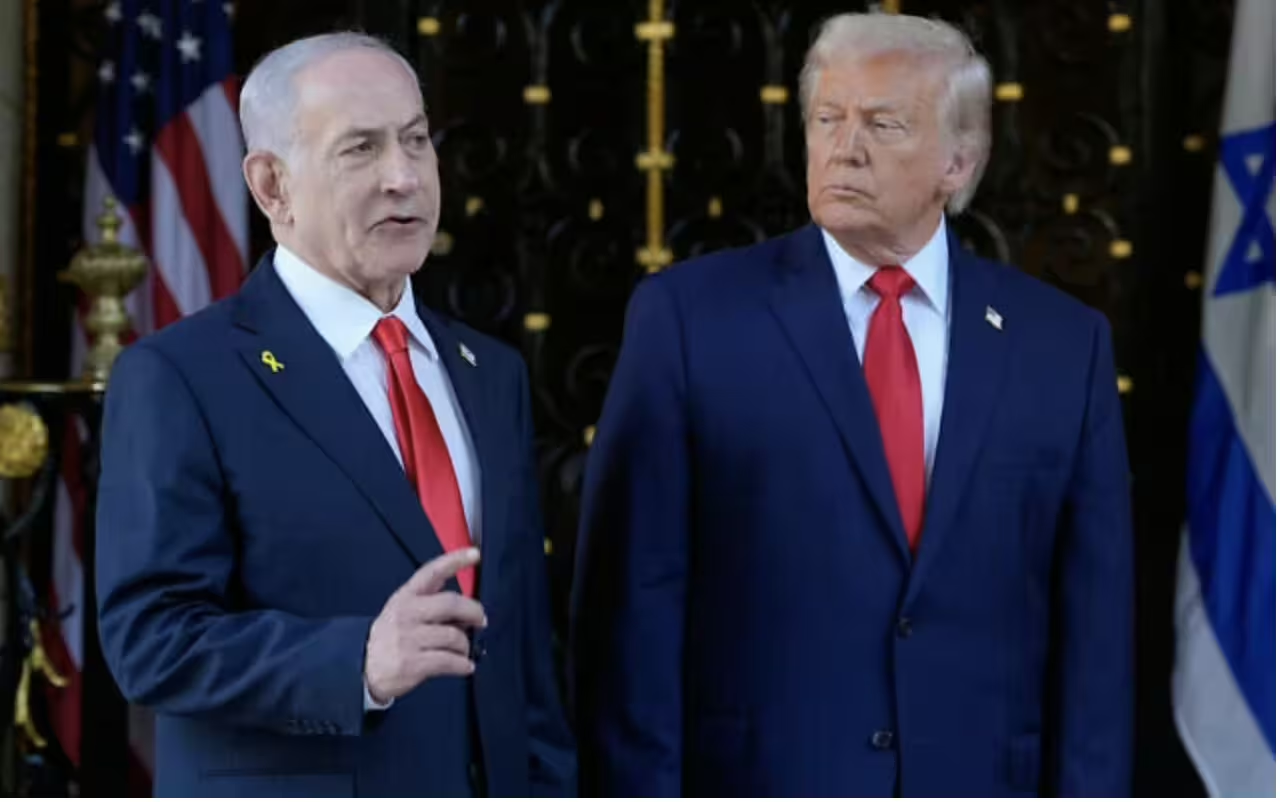
- Trump’s deadline: President Donald Trump has repeatedly threatened renewed action against Iran while leaving the door open to negotiations, according to the reporting. He ruled out fresh strikes before the November 3 elections, turning the vote into a date regional governments are tracking closely.
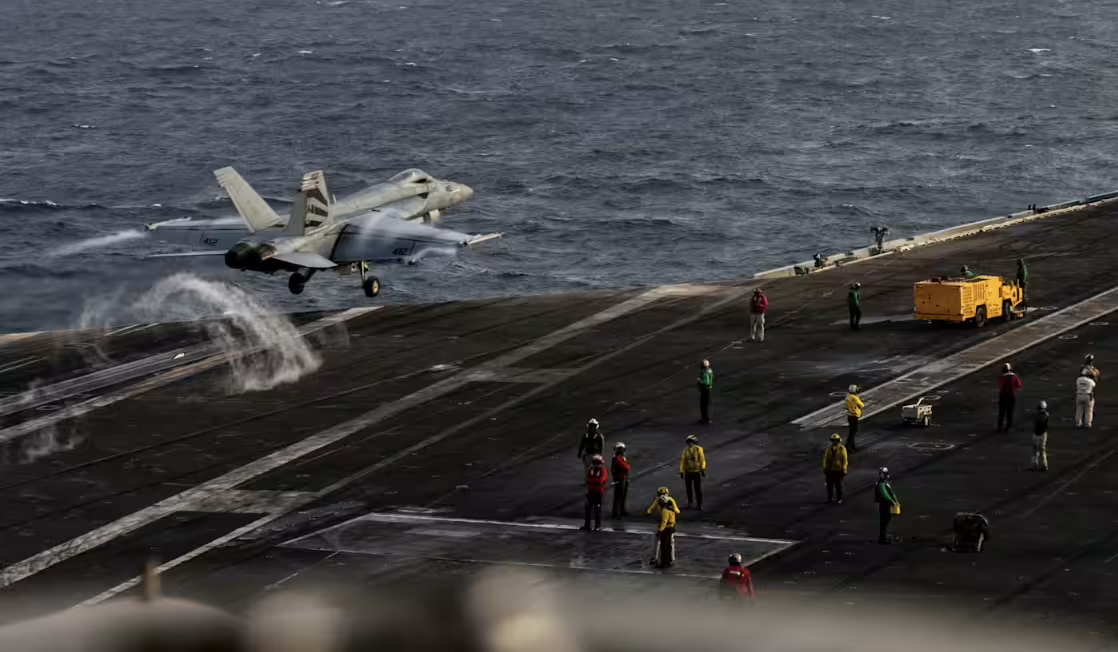
- Washington’s position: American officials stressed no final decision to attack has been taken. Secretary of State Marco Rubio said Trump still preferred a diplomatic outcome, even as military preparations and coordination with Israel continued. No timetable for a decision has been announced.
- Tehran’s response: Supreme Leader Mojtaba Khamenei has instructed Iranian commanders to prepare for immediate retaliation against any renewed attacks, according to the reporting. Iranian officials signaled their response would not be constrained by geography — a hint that targets could extend beyond Israel.
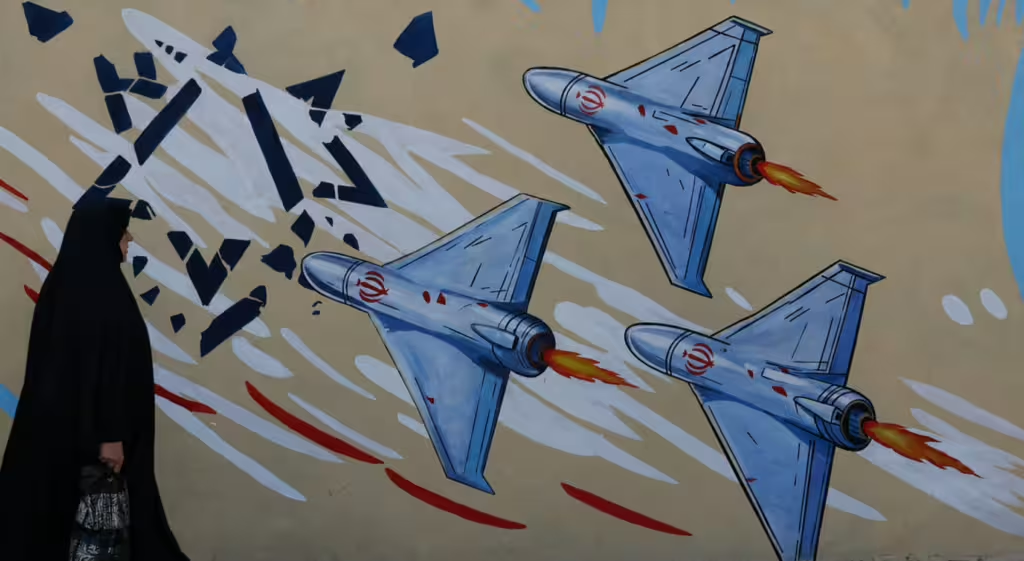
- Iran’s surviving arsenal: Western assessments cited by Bloomberg indicate months of American and Israeli strikes failed to eliminate Iran’s missile and drone production capabilities. That surviving capacity, combined with Tehran’s experience of the earlier fighting, is the core reason officials believe a second round would be harder to contain.
- The economic bill: Energy markets have been shaken, investment confidence tested and commercial traffic through the Strait of Hormuz disrupted. The International Monetary Fund forecasts significant economic contractions across several Gulf economies this year — the cost of a conflict the region did not start.
- The mediation track: Qatar is mediating between Washington and Tehran, while Saudi Arabia, Turkey and Pakistan have pursued contacts with Iranian officials to head off another escalation. The parties have not disclosed any agreed framework emerging from those channels.
- What’s blocking a deal: A possible interim arrangement to reopen the Strait of Hormuz remains under discussion, but fundamental disagreements persist over American sanctions, Iran’s frozen assets and Washington’s demands for nuclear concessions. No date has been set for the next round of talks.
Between the lines:
The structural problem for Gulf states sits in the gap between who decides and who pays. They depend on American security guarantees, yet a US-led offensive would expose their energy installations and shipping lanes to retaliation without giving them a say in the timing. Tehran’s signal that its response would ignore geography makes that exposure explicit, and Iran’s surviving missile output means the deterrent threat is credible.
What’s next
The November 3 American vote is the near-term marker, since Trump tied his restraint to it. Watch for movement on the interim Hormuz arrangement, any shift in Rubio’s framing, and whether Qatari mediation produces a defined negotiating track.