Key Points
- Trump and Netanyahu held a tense Saturday call on Iran, two sources told Axios.
- Netanyahu is pressing for strikes right after Tuesday's midterms; Trump prefers to test diplomacy first.
- The gap sets the clock on whether combat resumes within days of the vote.
The latest:
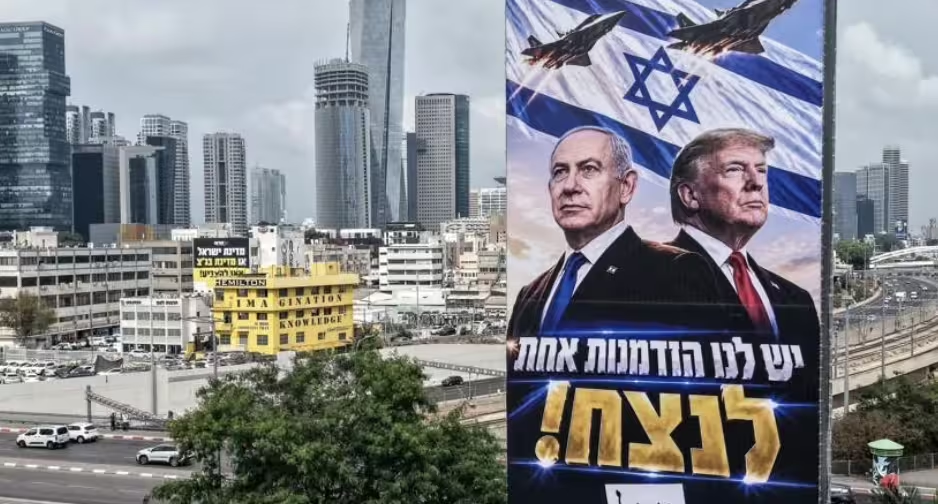
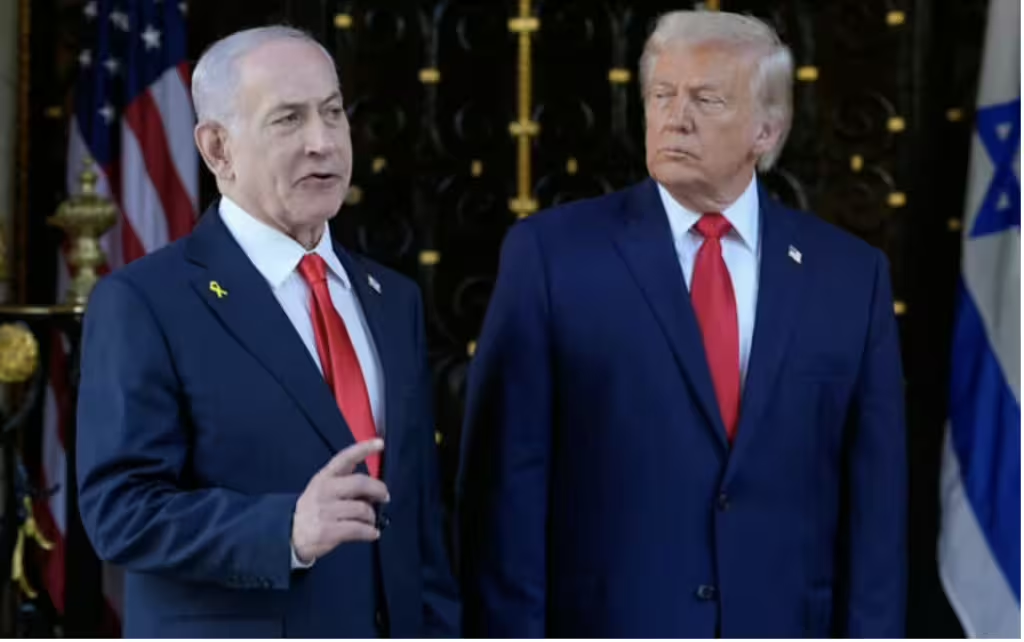
A Saturday phone call between President Trump and Israeli Prime Minister Benjamin Netanyahu exposed a split over how fast to return to combat with Iran, one Israeli and one U.S. source told Axios. Netanyahu wants strikes immediately after Tuesday’s midterm elections. Trump, for now, wants negotiations to run their course, a position the Israeli side views with concern.
Details:
- The call: The Israeli source characterized the conversation as tough, while the U.S. source described it as direct, according to Axios. Both the White House and the Israeli prime minister’s office declined to comment. The Wall Street Journal first reported that the call took place but did not describe what was said.
- Trump’s framing: Trump told reporters Saturday that talks with Iran are going fine and that he is not in much of a hurry. He said the Iranians want a deal but are not very reliable, adding that they make a deal and then back out.
- The military track: Trump said the U.S. still has to take care of one or two nuclear sites in Iran and that it is already planned. “We can do that in 10 minutes,” he said, pointing to Pickaxe Mountain, a suspected nuclear site built into a mountain.
- The outreach: Vice President Vance sent a letter last week to Iran’s national security chief Mohsen Rezaei raising the possibility of restarting negotiations, the sources said. Axios described it as the most senior-level U.S. approach to Tehran in several months.
- Qatari mediation: Qatari mediators met Iranian officials Sunday for the third consecutive day, working to restart direct U.S.-Iran talks. No date or venue for such talks has been announced.
- Tehran’s position: Iranian Foreign Minister Abbas Araghchi said Sunday there is no agreement yet and that any deal depends on Washington answering Iran’s questions. He said Tehran hopes the other side shows enough rationality to choose diplomacy over other paths.
- The pattern: Trump is running dual tracks, pursuing a deal to restart talks while preparing for a possible resumption of major combat, as he did before Operation Midnight Hammer in June 2025 and Operation Epic Fury in February, according to Axios.
- Netanyahu’s position: The prime minister is operating after an Oct. 28 election that left neither his bloc nor the opposition with a clear majority. He has not publicly set out his own timeline for strikes.
Background:
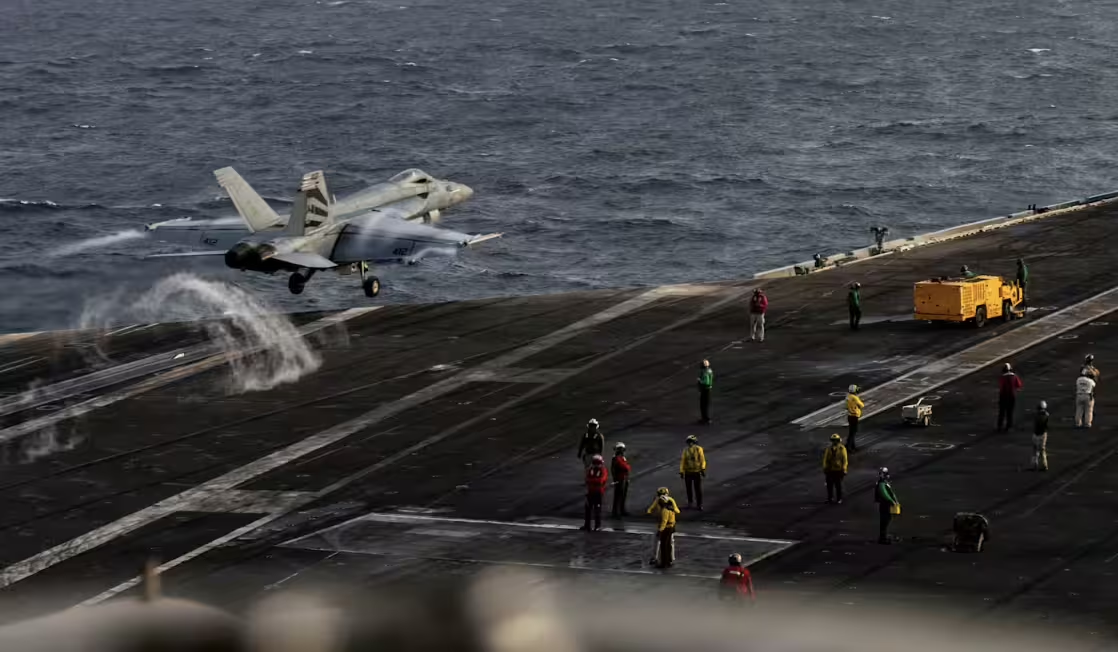
Two rounds of major U.S. operations against Iran have already taken place — Operation Midnight Hammer in June 2025 and Operation Epic Fury in February. Negotiations and military preparation have run in parallel through both.
Between the lines:
The disagreement is about sequencing, not objective. Trump has said the remaining nuclear sites still need to be dealt with and that strike planning exists, which means the diplomatic track he is defending runs on a deadline rather than as an alternative. Netanyahu’s concern, as the sources described it, is that talks consume the window immediately after Tuesday’s vote.
What’s next
Tuesday’s midterm elections are the pivot point both sides are measuring against. Watch whether Qatari mediation produces a date for direct U.S.-Iran talks, and whether Tehran responds to Vance’s letter to Rezaei.