Key Points
- Trump says he must choose between finishing the Iran war or cutting a deal.
- Eight months in, Tehran still rules, holds no nuclear commitments and retains missile reach.
- Former commanders warn renewed strikes risk Gulf retaliation and depleted US interceptor stockpiles.
The latest:
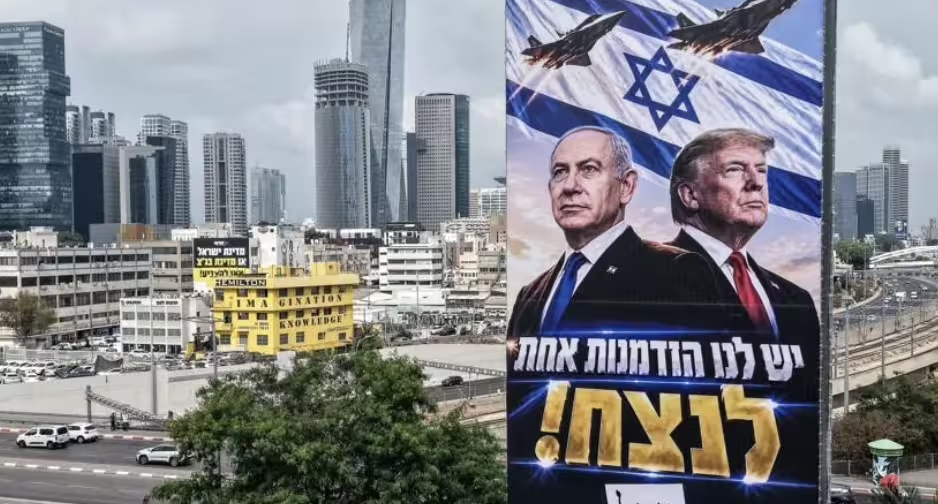
Donald Trump is openly weighing a new round of strikes on Iran, telling Fox News he must decide whether to finish it off, which he said would be very easy, or make a deal. The Financial Times reported that eight months after Trump and Benjamin Netanyahu launched the war, the Islamic republic remains in control, has made no nuclear commitments, and can still hit US assets and allies.
Details:
- The limited option: Joseph Votel, former commander of US Central Command, told the FT a narrower campaign would mean expanded maritime strikes on coastal radars, anti-ship missile launchers, drone sites and small boat bases. He assessed the escalation risk as relatively low, but said Iran could probably rebuild fairly quickly.
- The nuclear target: With Iran’s highly enriched uranium stockpile believed buried under rubble from earlier bombardment, Trump has pointed to Pickaxe Mountain, a deeply buried facility not yet attacked. In October he threatened to use the massive ordnance air blast bomb, the most powerful non-nuclear weapon in the US arsenal.
- The delivery problem: Analysts noted the 21,000-pound MOAB is too large for traditional bombers and would have to be dropped from a slow-moving C-130 flying deep into Iran. Earlier strikes on Natanz and Fordow used the massive ordnance penetrator, because it can tunnel through rock and concrete shelters.
- The intelligence gap: David Albright of the Institute for Science and International Security said Washington and Israel likely know far less about Iran’s nuclear programme than in 2025. He added that several weaponisation facilities only became publicly known once Israel struck them, and expected more surprises.
- The wider campaign: Defence analysts described a multi-day option spanning Pickaxe Mountain, assassinations of Revolutionary Guard commanders, rebuilt drone and missile capabilities, and civilian infrastructure including factories, oil refineries and power plants. Votel called broader targeting, aimed at pressuring Tehran to accept Trump’s demands, the most likely course.
- The Israeli push: Netanyahu prepared such a bombing campaign last month but did not proceed because Trump opposed it, according to the FT. Israeli officials recently handed US defence secretary Pete Hegseth an updated target list they said rested on new intelligence. Centcom and the White House declined to comment on strike planning.
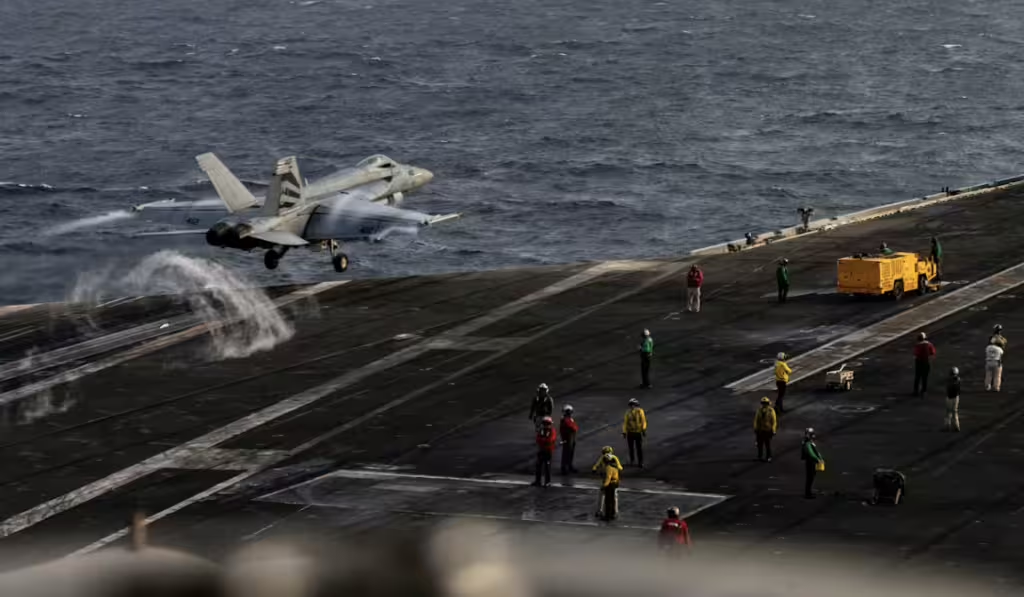
- The American losses: The US military has lost or suffered damage to 81 aircraft since the war began, including some that crashed under Iranian fire, according to the Congressional Research Service. Twenty-one US military personnel have been killed. Analysts said hitting certain targets requires manned aircraft, raising risk to pilots.
- Tehran’s threats: Iranian authorities warned of an unprecedented response, including strikes on seabed cables in the Strait of Hormuz and data centres, and signalled they could hit bases in Europe used by US forces, including one in Bulgaria. Security official Mohsen Rezaei threatened new fronts and bigger surprises.
- The munitions squeeze: A July study by the Center for Strategic and International Studies estimated US Patriot interceptor stocks had fallen below 1,000 from a prewar 2,330, with Thaad interceptors under 280, down from 452. Co-author Mark Cancian said replenishing Tomahawks and Precision Strike Missiles would take one to five years.
- The doubters: Jonathan Schanzer of the Foundation for Defense of Democracies said the Iranian system has taken a beating yet is “still hanging on” despite economic and military pressure. Democratic congressman Jason Crow, an Army veteran, said escalation thinking produced 25 years and more than $3tn in Iraq and Afghanistan.
Background:
The current war began eight months ago with an offensive Trump referred to as Epic Fury. It followed the 12-day war of June 2025, when US strikes hit Iran’s three main nuclear sites, after which Trump said Tehran’s programme had been obliterated.
Between the lines:
The timing sharpens the stakes: Trump is threatening renewed strikes in the closing days of a midterm campaign shaped by voter anger over energy prices the war helped drive. Analysts quoted by the FT see that pressure cutting both ways, since hitting refineries would likely draw like-for-like attacks on Gulf energy infrastructure, while depleted interceptor stocks limit how long allies could absorb the response.
What’s next
Watch the US midterm vote, any Trump decision on the Israeli target list given to Hegseth, movement on Pickaxe Mountain, and whether Iran-backed Iraqi militias or Houthi forces resume attacks on US and Saudi targets.