The latest:
A phone call between Donald Trump and Benjamin Netanyahu on Saturday came days after the president reviewed options for resuming major combat operations against Iran with his top commanders, the Wall Street Journal reported, citing people familiar with the conversation. Speaking in Palm Beach hours later, Trump said one or two Iranian sites still needed to be dealt with and that the US could do it within ten minutes.
Details:
- The divergence: Netanyahu has stated openly that his objective is to bring down the Iranian government and replace it with one posing no threat to Israel. That is not the goal the White House has set, which is a nuclear agreement stronger than the Obama-era deal plus the reopening of the Strait of Hormuz to international shipping.
- Division of labor: The gap between the two sets of objectives requires Israeli planners and US Central Command to agree on a split of targets and missions, allowing joint action that delivers part of what each side wants. Several options were drawn up for Trump and Netanyahu to choose between, or to combine.
- Target selection: Planners on both sides consulted international law experts in choosing targets, with the stated aim of damaging the system and military machinery behind the nuclear program rather than the civilian population. Oil and gas production means are expected to be spared so Iran can resume pumping if it meets US demands.
- The military plan: Admiral Brad Cooper, head of Central Command, presented operational options to Trump on Thursday that he developed with the Israeli military, CNN reported. Central Command is ready to act within 96 hours of a presidential decision, with a large air force and possibly Marine units committed to a short, intense campaign.
- The three objectives: US planners set three military goals: stopping Iranian small-boat crews from attaching limpet mines to shipping in the southern Hormuz passage, destroying ballistic missile and drone production and launch capacity, and damaging nuclear facilities enough to delay enrichment and warhead work beyond five years.
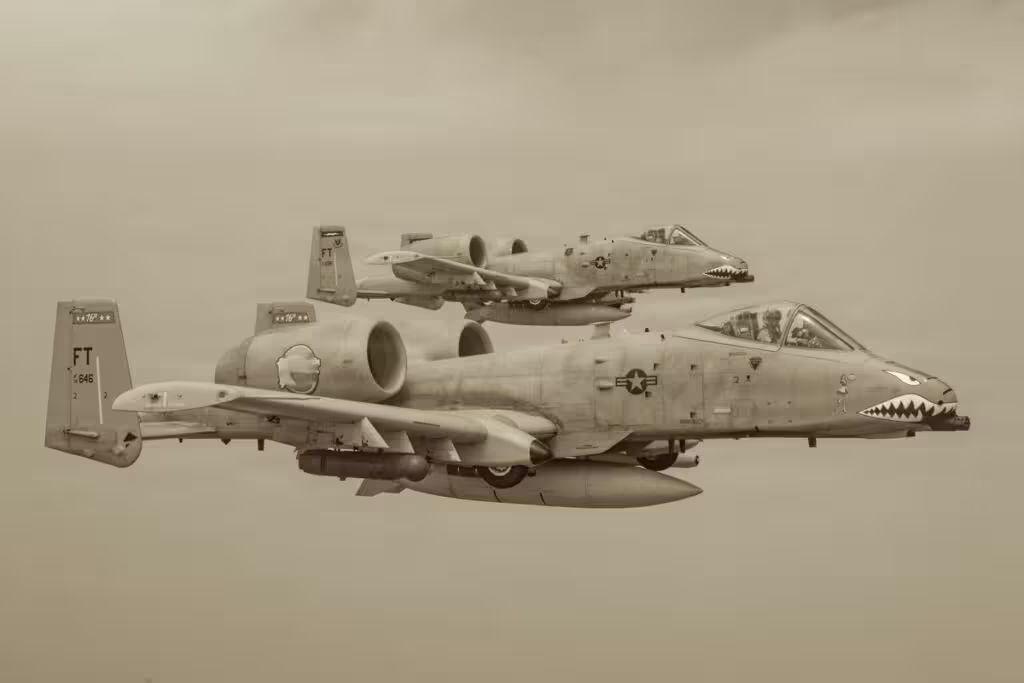
- Forces in place: Ten US Air Force transport aircraft from Fort Bliss, Texas landed last week at Israeli air bases in the south, Kan reported, with others going to Jordan, Qatar and Saudi Arabia. Trump also sent a third task force around the carrier Roosevelt to the Arabian Sea.
- The Qatari track: Iranian negotiators held talks in Doha on Saturday with Qatari mediators, a source told Reuters, after more than 12 hours of discussions in Tehran on Friday. The proposal pairs incremental nuclear limits and a phased reopening of Hormuz with gradual US sanctions relief, with Russia and China as guarantors.
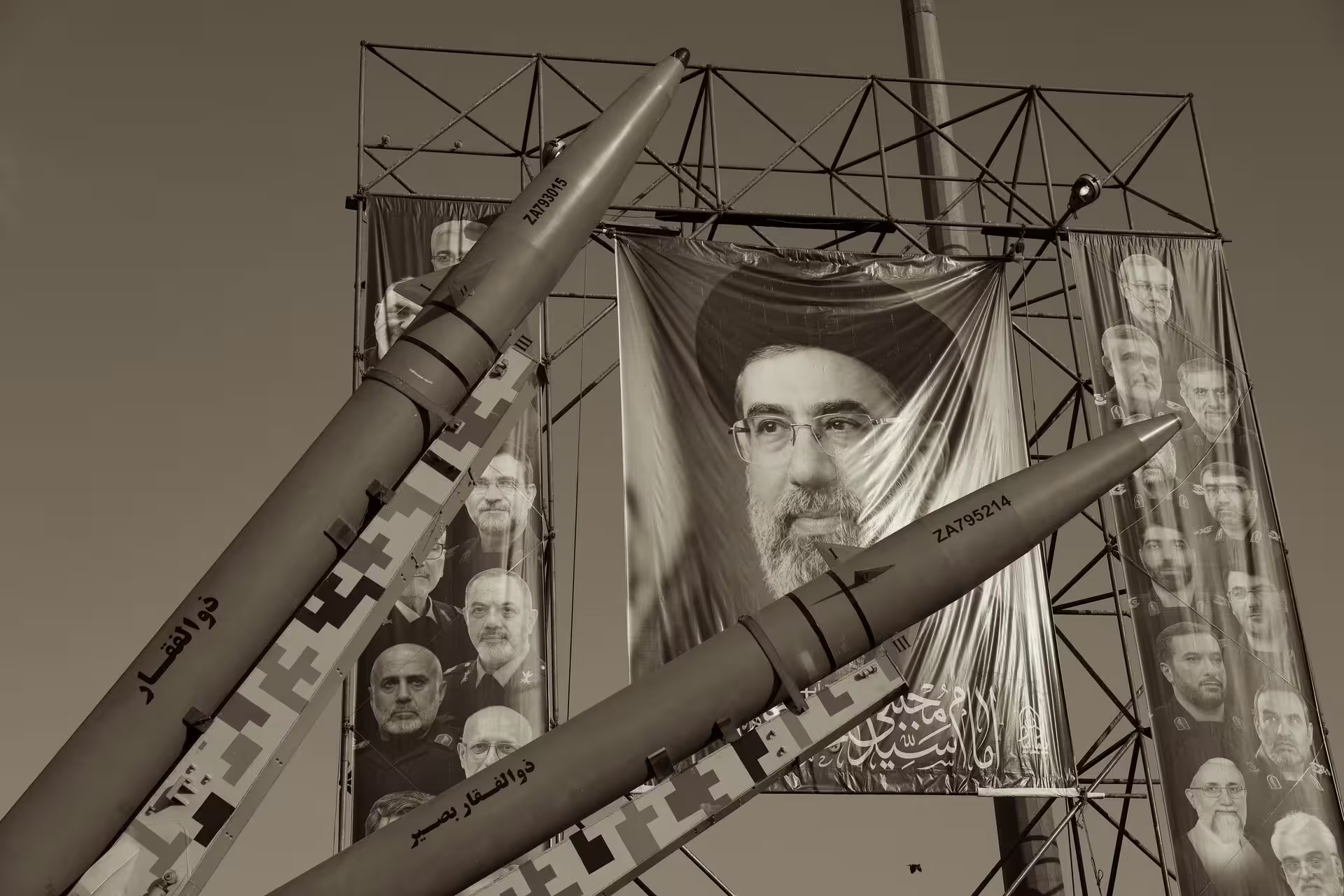
- Tehran’s position: Supreme Leader Mojtaba Khamenei ordered the armed forces Saturday to prepare an immediate response without geographic limits. Security chief Mohsen Rezaei said Hormuz stays closed until Iran’s conditions are met and that Tehran is debating whether to lift its ban on nuclear weapons, while saying no decision has been taken.
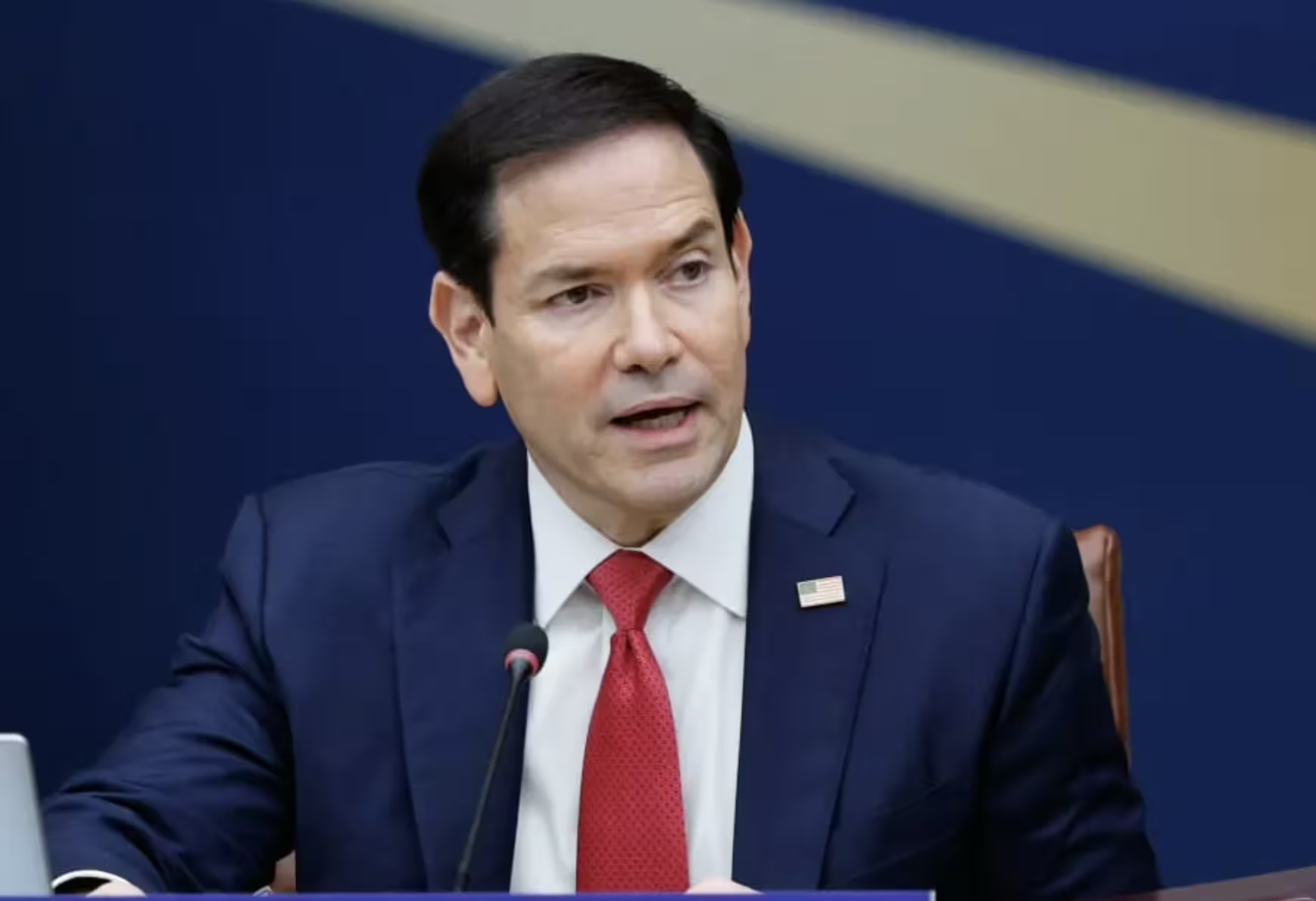
- American caution: Secretary of State Marco Rubio said Saturday the US remains open to a diplomatic resolution and that Trump has not decided on further military action, arguing the president would have struck weeks or months ago had he wanted to. Vice President JD Vance has signaled flexibility on limited Iranian enrichment.
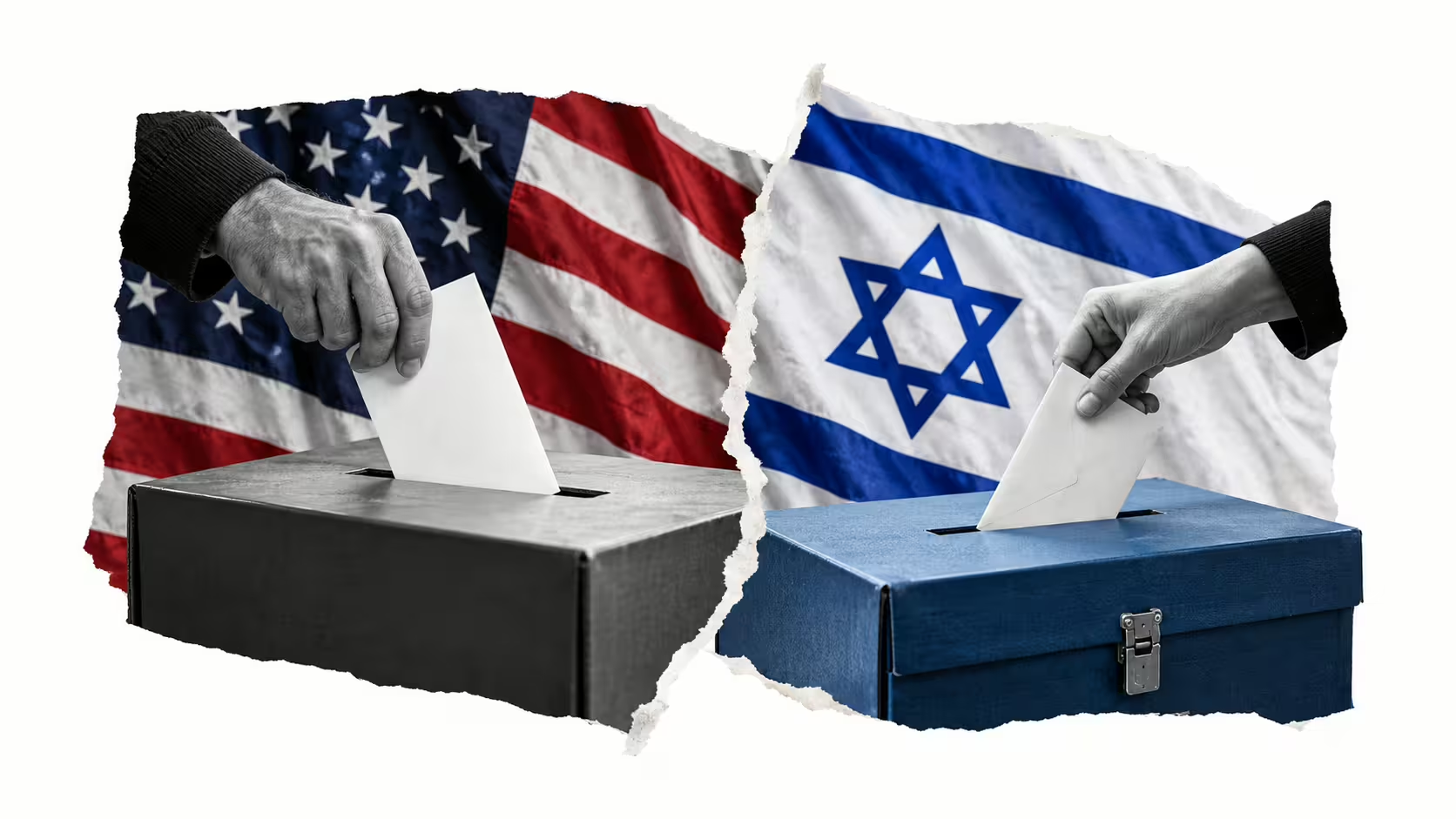
- Israeli politics: Opposition leader Gadi Eisenkot said Saturday he would back military action only against direct and immediate threats to Israel until a new government is formed, the Wall Street Journal reported. This week’s election left neither Netanyahu’s bloc nor Eisenkot’s with enough seats to govern.
Background:
Israel and the United States launched the war on Iran jointly on February 28, targeting its ballistic missile and nuclear programs. A June memorandum of understanding mapping a settlement collapsed, with each side accusing the other of violations. No US strikes have hit Iran since September 1.
Between the lines:
The shared readiness masks different exit points. Trump’s stated aim of a better deal and open shipping can be declared achieved after a short campaign, which fits a war unpopular with American voters. Netanyahu’s stated aim of toppling the government cannot, and the planning consensus that oil production and civilian needs be spared points away from the collapse scenario he has described.
What’s next
Washington warned Gulf allies to prepare for possible strikes as early as November 4, one day after the November 3 midterms, three senior Gulf officials told MSNOW. Whether an Iranian delegation keeps meeting US officials in Doha is the near-term signal.