The latest:
Iranian negotiators met Qatari mediators in Doha on Saturday to discuss ending the Gulf war, a source familiar with the talks told Reuters, after more than 12 hours of Iranian-Qatari discussions in Tehran the previous day. The source said the track is coordinated through regular contacts with Washington. Diplomats are trying to prevent a new round of fighting once US midterm elections pass.
Details:
- The Doha track: A source familiar with the negotiations, who declined to be identified, told Reuters that Saturday’s Doha session followed talks in Tehran on Friday between Iranian and Qatari envoys. Foreign Minister Abbas Araghchi confirmed to Al Jazeera that an Iranian delegation had travelled to Doha and that his deputy remains in Qatar for continued consultations.
- The rejected proposal: The source said Qatari mediators presented Tehran a week ago with a seven-day plan under which Washington and Tehran would take daily confidence-building steps before broader talks on halting the war. A senior Iranian official told Reuters on Friday that Tehran did not like the proposal.
- Iran’s own terms: Araghchi said the Iranian plan, floated since September and not yet accepted by Trump, is the only proposal on the table for reopening the Strait of Hormuz. It demands lifting the blockade on Iranian ports, unfreezing assets, restoring oil waivers and recognising a Tehran-backed shipping corridor.
- Shrinking timeline: Araghchi said Qatar proposed cutting the implementation period from seven days to five, and that the current stage has produced a proposal compressing it to two days. He conditioned any deal on recognition of the new navigation route Iran set with Oman in Hormuz and the closure of other routes.
- The Vance letter: Vice President JD Vance sent a letter to Iran’s top security official at Trump’s direction. The New York Times reported Thursday, citing American and Iranian officials, that it was delivered Sunday through Qatari mediation. Araghchi said Tehran studied it in high-level meetings and called the opening a positive step.
- Trump’s version: Trump played down the letter, saying he had only approved discussing wider medical supplies into Iran. He launched the war alongside Israel in February, has repeatedly signalled intent to resume strikes, and urged Israelis last week to keep Benjamin Netanyahu in power.
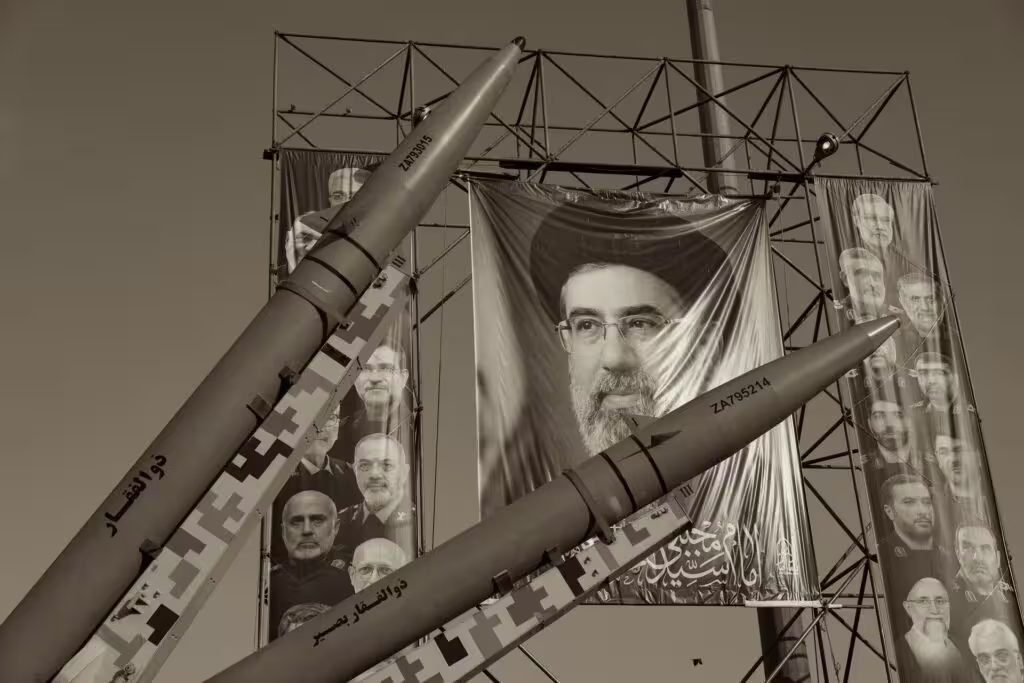
- The military warning: Supreme Leader Ayatollah Mojtaba Khamenei ordered the armed forces on Telegram to be ready to answer any attack immediately and without geographic limits. He has not appeared publicly since succeeding his father, killed early in the war.
- Readiness posture: Khamenei said senior commanders reported elevated readiness along the Gulf coast, the Strait of Hormuz, the Gulf of Oman and Iran’s northwestern and southeastern borders. The army later announced steps to reinforce readiness; the chief of staff said Iran holds a new inventory of enemy targets and assets.
- No direct meetings: Araghchi denied any current plans to meet American officials, dismissing such reports as media speculation, and said Tehran sees no need for contact while mediators consult on its conditions. He said Iran would decide on direct or indirect talks only after Washington accepts those terms.
- Nuclear file: Araghchi said cooperation with the International Atomic Energy Agency remains far from normal, noting that Iranian facilities under agency supervision were struck. He said mediators submitted nuclear proposals now under study in a second phase, and thanked Qatar and Pakistan.
Background:
Trump launched the war alongside Israel in February. He held off on strikes in the weeks before the vote, and Tehran has repeatedly said it would answer any new attack by targeting American and Israeli interests in neighbouring states.
Between the lines:
Two seven-day plans are on the table and neither side has accepted the other’s. Qatar’s shuttle between them, compressing its own timeline from seven days to two, points to mediators narrowing the gap on sequencing rather than on substance. Araghchi’s refusal to meet Americans before conditions are accepted keeps Doha the only channel, leaving the Hormuz corridor as the single test of whether talks widen.
What’s next
Tuesday’s US midterm elections, which regional states see as the trigger point for renewed strikes; Tehran’s answer to the two-day Qatari formula; and the second-phase nuclear proposals under study.