Key Points
- Iran's leadership expects renewed conflict whoever wins in Israel or the U.S. midterms, analysts said.
- Israel's election produced no governing majority; Democrats appear positioned to take at least the House.
- Diplomacy is active in Doha, but both sides remain far apart on core demands.
The latest:
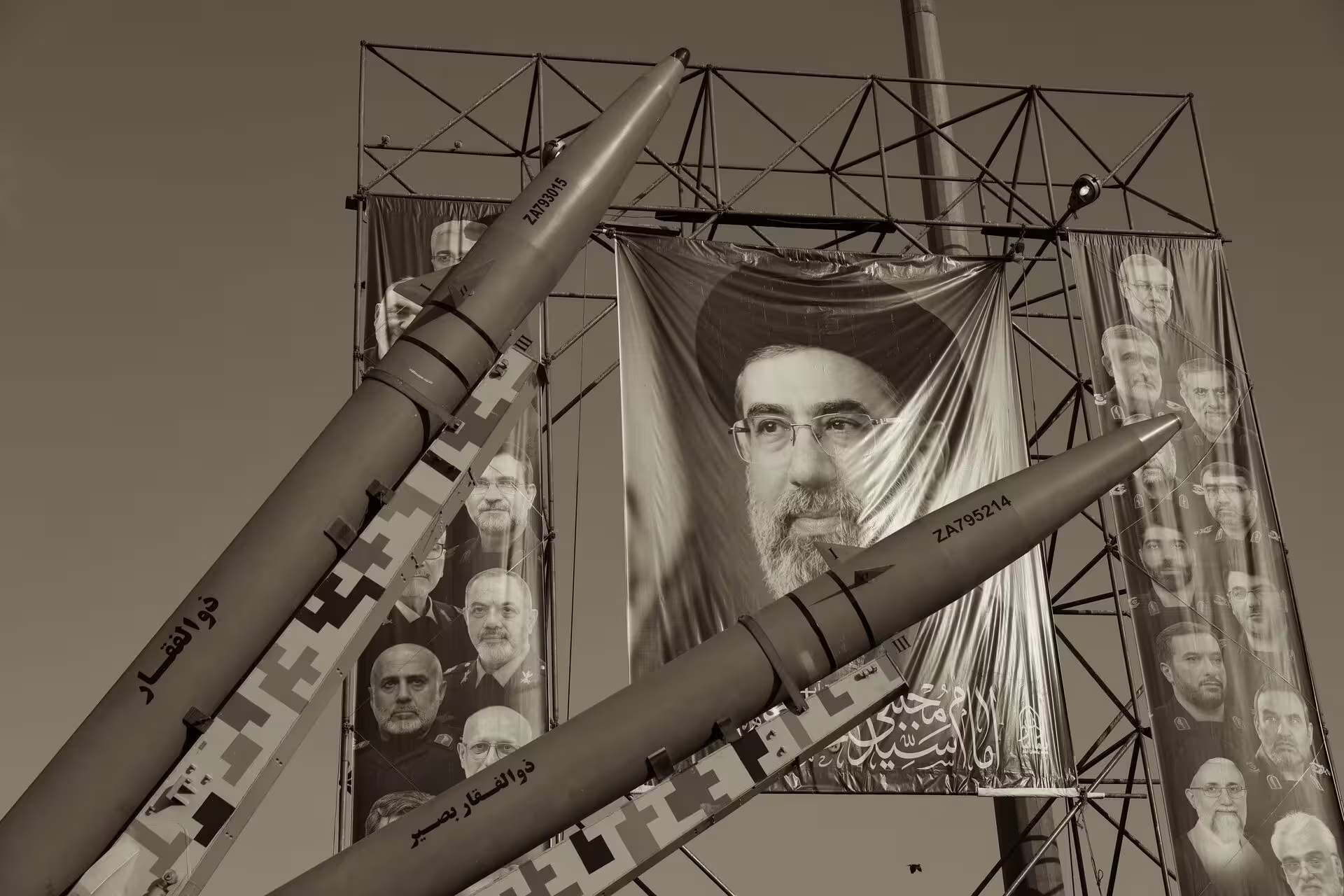
Iran’s leaders are bracing for another round of fighting no matter how the Israeli and American elections resolve, analysts told The New York Times. Supreme Leader Mojtaba Khamenei said Saturday he had instructed senior armed forces commanders to answer any level of threat with an immediate response to establish maximum deterrence, and to be ready to target U.S. and Israeli assets.
Details:
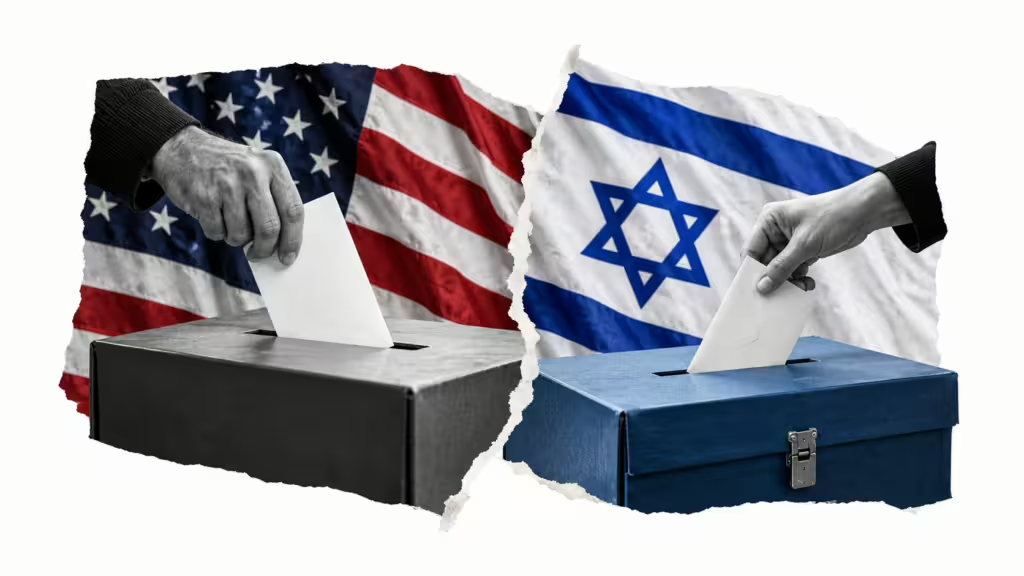
- The Israeli vote: This week’s elections left neither Netanyahu’s far-right alliance nor the opposition bloc led by former military chief Gadi Eisenkot able to form a government, setting up weeks of uncertainty. Iran would welcome Netanyahu’s removal, said Mohammad Saleh Sedghian of the Arab Center for Iranian Studies in Tehran.
- Why a change wouldn’t matter: Sedghian assessed that swapping prime ministers would matter only in the short term, arguing Iranian and Israeli policies toward each other have stayed consistent since the 1980s regardless of who governs in Israel. Any shift, he said, would likely prove temporary rather than strategic.
- The American variable: Democrats appear strongly positioned to take at least the House next week, but the size of the win and whether they capture the Senate will determine how much they can restrain Trump’s policies, including the war with Iran. Tehran expects more attacks either way.
- Tehran’s new risk appetite: Hamidreza Azizi of the International Crisis Group said Iran has been expecting a new round of war for weeks and preparing accordingly. He assessed that Iranian strategic thinking has moved from strategic patience toward greater risk-taking, meaning covert Israeli operations could draw direct military responses.
- The Vance letter: Vice President JD Vance last week proposed comprehensive peace talks in a letter that bypassed President Masoud Pezeshkian and went to Mohsen Rezaei, the top national security adviser and former Revolutionary Guards commander, according to a senior U.S. official and an Iranian official with knowledge of the communication.
- Qatari mediation: A Qatari delegation arrived in Tehran on Friday, Iran’s state news outlet reported. Foreign Minister Abbas Araghchi said Saturday that Iranian diplomats were meeting mediators in Doha and reviewing proposals on the nuclear program, calling the Vance letter “a positive step,” according to Al Jazeera.
- The seven conditions: Analyst Mostafa Najafi, described as close to Rezaei, said Iran’s preconditions include lifting the U.S. naval blockade and oil sanctions, ending the war on all fronts including Lebanon, releasing frozen assets, and accepting Iranian management of the Strait of Hormuz. Officials have cited the conditions for a month without detailing them.
- The pre-election squeeze: Najafi wrote Wednesday that the Trump administration was chasing a deal before the midterms and insisting nuclear concessions be included, which Tehran rejects. Absent an agreement within two days, he predicted the atmosphere would turn toward confrontation in the first week after the vote.
- The gaps: Mehrzad Boroujerdi of Missouri University of Science and Technology said the sides remain far apart on the Strait of Hormuz, sanctions relief, IAEA oversight and the scope of Iran’s nuclear commitments. He expects Tehran to negotiate intermittently while preparing for renewed hostilities.
- War planning: Trump has been weighing whether to renew attacks on Iran, possibly after the midterms, and the United States and Israel have drawn up specific plans for new strikes, according to U.S. officials and others briefed on the deliberations.
Background:
Netanyahu helped persuade Trump to strike Iran this year and sought new airstrikes before the Israeli election, Sedghian said. Iran has absorbed heavy costs from the war, including worsening inflation, without shifting its position.
Between the lines:
Tehran’s calculation, as analysts described it, rests on asymmetric political pain: higher gasoline prices have hurt Trump before the midterms, while Iran’s own inflation has not moved its leadership. That reading gives Tehran reason to hold out for its seven conditions rather than trade nuclear concessions for a pre-election deal. Najafi said Iranian officials view the exchanged messages with profound skepticism.
What’s next
Watch the Doha track for any interim agreement, the U.S. midterm results and Senate margin next week, and whether Israel’s blocked parliamentary arithmetic produces a government or a second vote.