Key Points
- Qatar-led mediators are urging Iran to readmit UN inspectors in exchange for partial US sanctions relief.
- US and Israeli officials describe a week of strikes planned on Iranian leadership, energy and nuclear targets.
- Without an agreement, officials say renewed war becomes likely within days of the US midterm elections.
The latest:
Regional mediators led by Qatar are racing to restart US-Iran negotiations before the American midterm elections, three US, Israeli and regional sources told Axios, offering Tehran limited sanctions relief if it lets UN inspectors back into its bombed nuclear sites. Israeli military chief Gen. Eyal Zamir spoke Monday with CENTCOM commander Adm. Brad Cooper to coordinate ahead of possible attacks.
Details:
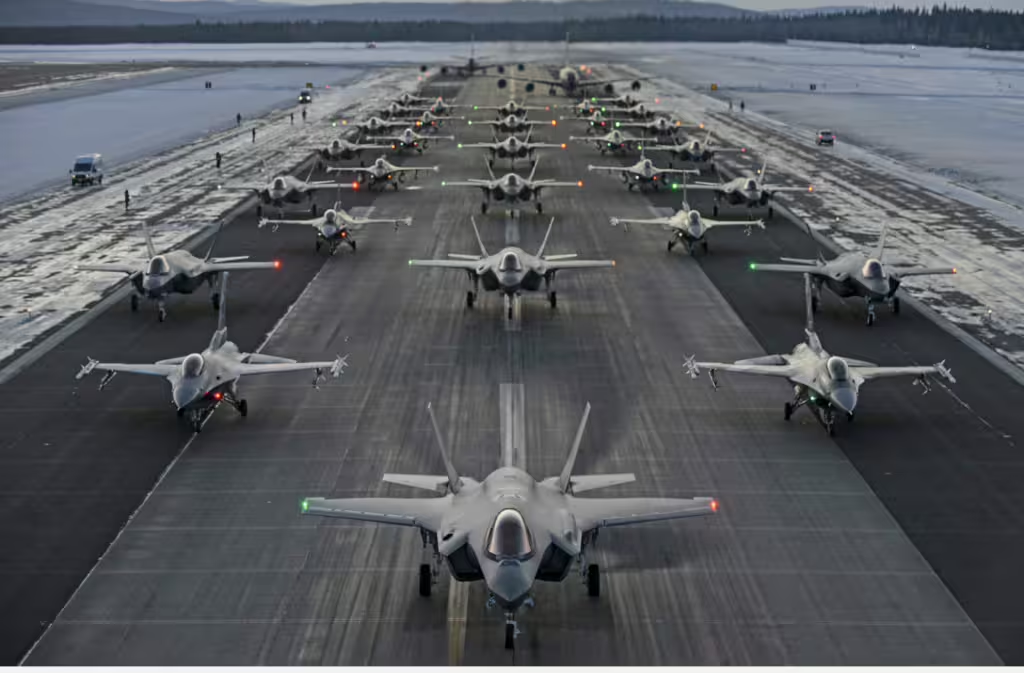
- The military plan: US and Israeli officials said a renewed offensive is expected to run about a week, hitting Iranian leadership, energy, nuclear and infrastructure targets. They described it as likely shortly after the midterms absent a last-minute agreement, without setting a start date publicly.
- Trump’s position: President Trump told Axios in a brief interview Wednesday that talks with Iran are running through mediators, but said he does not know whether they will produce results. He framed the choice as finishing the job either through a deal or by other means.
- Tehran’s framing: Foreign Minister Abbas Araghchi wrote on X on Wednesday that Iran continues to give diplomacy a chance while its armed forces stand ready to defend the country. He did not address the specific proposals carried by the mediators.
- The mediators: Qatar is leading the effort with support from Pakistan, Saudi Arabia, Egypt and Turkey, sources said. Qatari negotiator Ali al-Thawadi traveled to Tehran earlier this week for talks on a possible understanding with the Trump administration.
- The gap: A regional source briefed on the talks said the Qataris floated ideas to bridge Washington’s demand that Iran surrender its enriched uranium stockpile and Tehran’s insistence that the US first lift its naval blockade and release frozen Iranian funds.
- The warning: The regional source and a US official said mediators are telling Iran that accepting the proposals may be the only path to avoiding major attacks after the midterms. Saudi, Turkish and Pakistani security officials delivered the same message in Tehran days earlier.
- Iran’s response: Iranian officials said they would seek Supreme Leader Mojtaba Khamenei’s approval within several days, the regional source said. Saudi officials later told the White House that Tehran is worried about a US-Israeli bombing operation and urged Trump to allow more time.
- The Cairo track: One idea under discussion is reviving the September 2025 agreement with the International Atomic Energy Agency, which restored UN inspections before being suspended a month later when the Security Council reimposed snapback sanctions. IAEA Director General Rafael Grossi told the Security Council Tuesday it could frame restored inspections of damaged sites.
- The incentives: If Iran readmits inspectors, it could receive waivers to sell oil and see some frozen funds released for food and humanitarian goods, the regional source said, adding: “There is some movement. We are waiting for the Iranian response.”
- White House posture: A White House official said Iran has been systematically destroyed militarily and financially and that Washington will finish the job unless Tehran changes course rapidly, citing US control of the Strait of Hormuz and a collapsing Iranian economy.
Background:
US and Israeli strikes hit Iranian nuclear sites months ago. Iranian authorities organized a media tour showing a mosque they say was damaged in one US missile strike. Inspections lapsed after the Security Council restored sanctions in October 2025.
Between the lines:
The structure of the proposal lets each side claim it did not concede first: Tehran can say it never handed over its enriched uranium up front, while Washington can point to recovered inspector access as a nuclear concession, per the regional source. That framing explains why mediators are pressing for inspections rather than the stockpile itself, and why the White House has told them it will take a position only after Iran answers.
What’s next
Watch for Khamenei’s decision on the mediators’ ideas within days, the White House response once Iran replies, and any IAEA move to revive the Cairo inspection framework before the midterm elections.