Key Points
- OpenAI intends to purchase Google's AI chips, The Information reported, citing a person familiar.
- The two companies compete in AI and search but keep signing commercial deals.
- A purchase would widen Google's TPU business beyond rentals, into direct sales to its largest AI rival.
The latest:
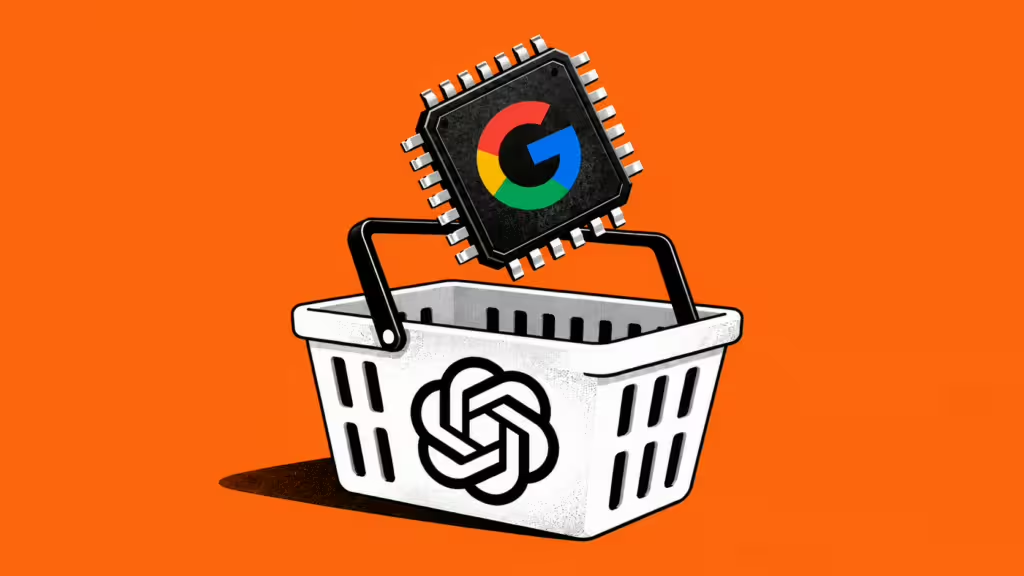
OpenAI plans to buy Google’s AI chips, The Information reported on Tuesday, citing a person familiar with the matter. The move would deepen the commercial relationship between OpenAI and Alphabet’s Google even as the two compete in AI products and search. Google did not immediately respond to a Reuters request for comment outside regular business hours, and OpenAI declined to comment.
Details:
- The report: The Information attributed the plan to a person familiar with the matter, and did not disclose financial terms, volumes or a timeline for any purchase. Neither company has confirmed the arrangement publicly, and OpenAI declined to comment when approached by Reuters.
- The existing ties: Last week OpenAI said it would make its frontier AI models available through Google Cloud. Reuters reported in June 2025 that the ChatGPT maker had already begun renting Google’s AI chips, meaning a purchase would convert an existing rental relationship into direct hardware buying.
- The chips: Google’s Tensor Processing Units have gained traction as an alternative to Nvidia’s market-leading AI chips as companies seek cheaper options. Google began selling TPUs directly to some customers this year, a shift from offering them only through its cloud service.
- OpenAI’s current supply: OpenAI is already among the largest buyers of Nvidia’s graphics processing units, which it uses to train and deploy its AI models. Adding Google silicon would further diversify a supply chain that has leaned heavily on a single vendor.
- OpenAI’s own silicon: In June, OpenAI unveiled its first custom AI chip designed with Broadcom and said it planned to deploy the processor by the end of this year, describing it as part of a multi-generation chip program.
- The TPU pipeline: Deals with customers including rival Anthropic have fueled demand for Google’s TPUs. CFO Anat Ashkenazi has said Alphabet expects to recognize a small percentage of revenue from TPU sales agreements by the end of this year, with the vast majority coming in 2027.
- The spending backdrop: Amazon, Microsoft and Alphabet plan to spend as much as $600 billion combined this year on AI infrastructure, as investors increasingly question when that outlay will translate into meaningful returns.
- The earnings test: Alphabet reports quarterly results later on Wednesday, with investors looking for signs that its heavy AI investment is still driving growth in its cloud business.
Between the lines:
Google rents chips to OpenAI, sells TPUs to Anthropic, and now hosts OpenAI models on its cloud. The pattern suggests Alphabet is positioning itself as infrastructure supplier to the rivals it competes with in consumer AI, a role that pays regardless of which model wins. For OpenAI, buying rather than renting reduces dependence on Nvidia.
What’s next
Alphabet’s quarterly results on Wednesday, and any cloud revenue commentary on TPU sales agreements. Also watch for confirmation or denial of the purchase plan from either company, and OpenAI’s promised Broadcom chip deployment by year-end.