Key Points
- Coalition says it intercepted three ballistic missiles and four Houthi drones over Saudi Arabia
- Attacks followed Saudi Defence Minister Khalid bin Salman's surprise visit to Tehran on Monday
- Strikes test a de-escalation push unfolding across Tehran, Riyadh, Islamabad and Ankara
The latest:
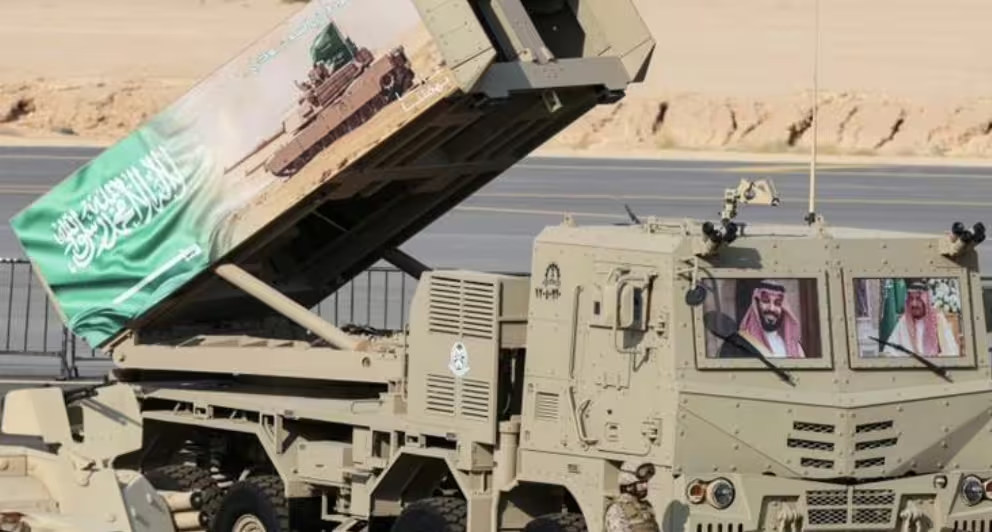
Three ballistic missiles and four drones launched by the Houthis towards Saudi Arabia were intercepted and destroyed, the Saudi-led coalition in Yemen said on Tuesday. The coalition said the missiles targeted the kingdom’s east and the drones its south. The launches came one day after Saudi Arabia’s Defence Minister Prince Khalid bin Salman travelled to Tehran unannounced on a de-escalation mission.
Details:
- The intercepts: The Saudi-led coalition said on Tuesday that it destroyed three ballistic missiles fired towards eastern Saudi Arabia and four drones fired towards the south. The coalition attributed the launches to the Iran-backed Houthi movement. It did not report casualties or damage on the ground.
- The timing: The attacks came a day after Prince Khalid bin Salman, Saudi Arabia’s Minister of Defence, made a surprise visit to Tehran on Monday, described as a major push for de-escalation in the Middle East. The visit was not announced in advance.
- The diplomatic track: Iran, Saudi Arabia, Pakistan and Turkey agreed to continue dialogue on regional peace and security, according to reporting on the Tehran meeting. No schedule for a follow-up round was announced, and the participating delegations’ composition was not detailed.
- The Houthi claim: The Houthis said they attacked Saudi oil pumping stations and Riyadh airport. The claim was not matched by any coalition confirmation of impacts, and the group gave no accounting of the stations it said it targeted.
- Riyadh under fire: Saudi Arabia separately intercepted three drones over Riyadh and the southern region, in incidents reported alongside the ballistic missile launches. The capital’s airspace has repeatedly been the stated target of Houthi operations during the current escalation.
- The Egyptian move: Egypt’s parliament approved military support for Saudi Arabia as Houthi attacks escalated. The approval marks a widening of the Arab response beyond the existing coalition framework, though the scale and form of the support were not specified.
- The American posture: US troops are ready for major operations against Iran within 96 hours of an order from President Donald Trump, officials said. The officials did not describe the targets under consideration or indicate whether such an order was being prepared.
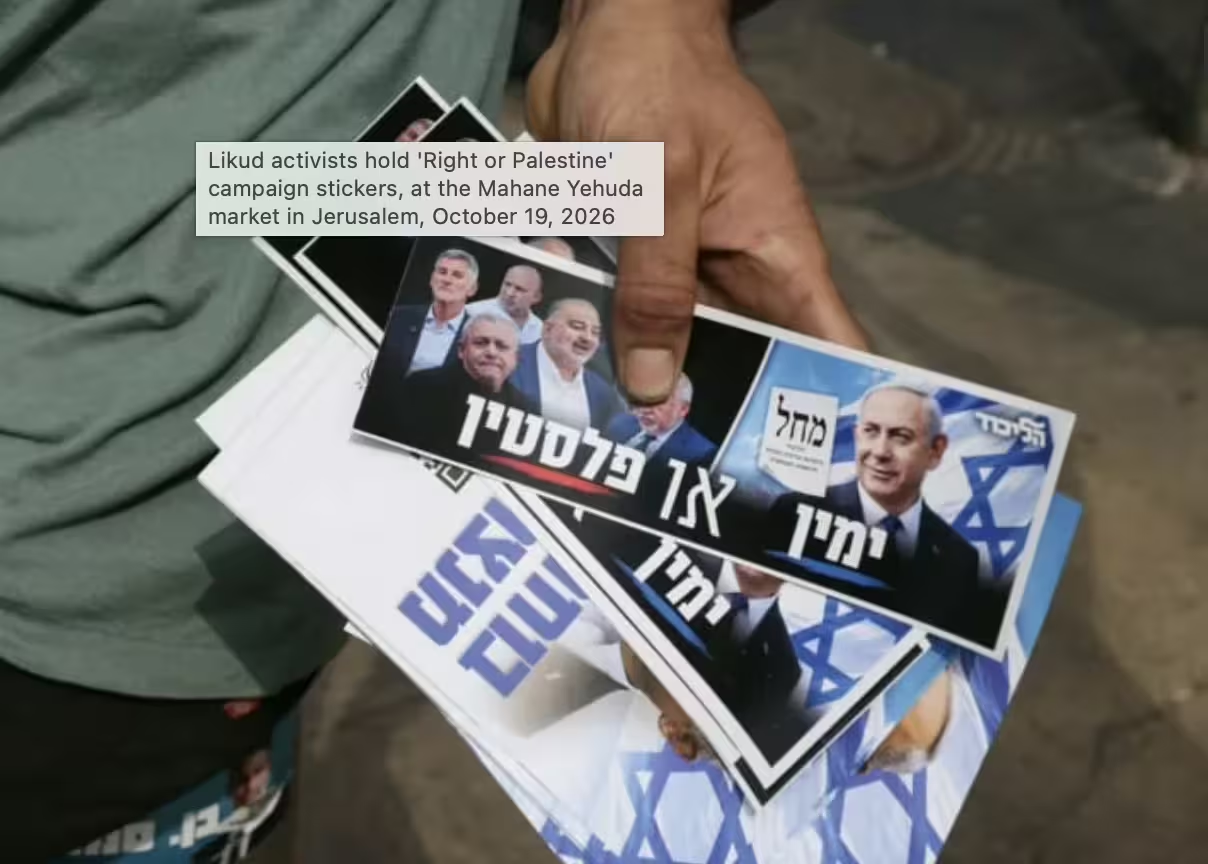
- Trump on Israel: Trump again endorsed Israeli Prime Minister Benjamin Netanyahu, saying: “We have to finish the job.” The remark was delivered as Washington signalled readiness for rapid military action in the region.
Background:
The Houthis have fired missiles and drones at Saudi territory for years as part of the Yemen war, with the kingdom leading a coalition against them since 2015. Iran backs the movement, making Riyadh’s direct contacts with Tehran central to any halt in the launches.
Between the lines:
The sequence matters: a surprise Saudi defence visit to Tehran, a four-country pledge to keep talking, then launches on eastern and southern Saudi Arabia within 24 hours. Either the Houthis are operating outside the diplomacy Iran has joined, or the talks have not yet translated into restraint on the ground. Egypt’s parliamentary approval and the stated US 96-hour readiness point the other way, toward escalation.
What’s next
Watch whether a second round of the Iran-Saudi-Pakistan-Turkey talks is scheduled, whether the coalition reports fresh interceptions over Riyadh, and what form Egypt’s approved military support to the kingdom takes.