Key Points
- Prince Khalid bin Salman heads a multi-country delegation to Tehran seeking de-escalation, a Saudi official said.
- Pakistan's army chief, Turkey's intelligence head and Iran's president are among those joining the talks.
- The visit lands as Trump backs Netanyahu before Israel's vote and Centcom patrols Hormuz.
The latest:
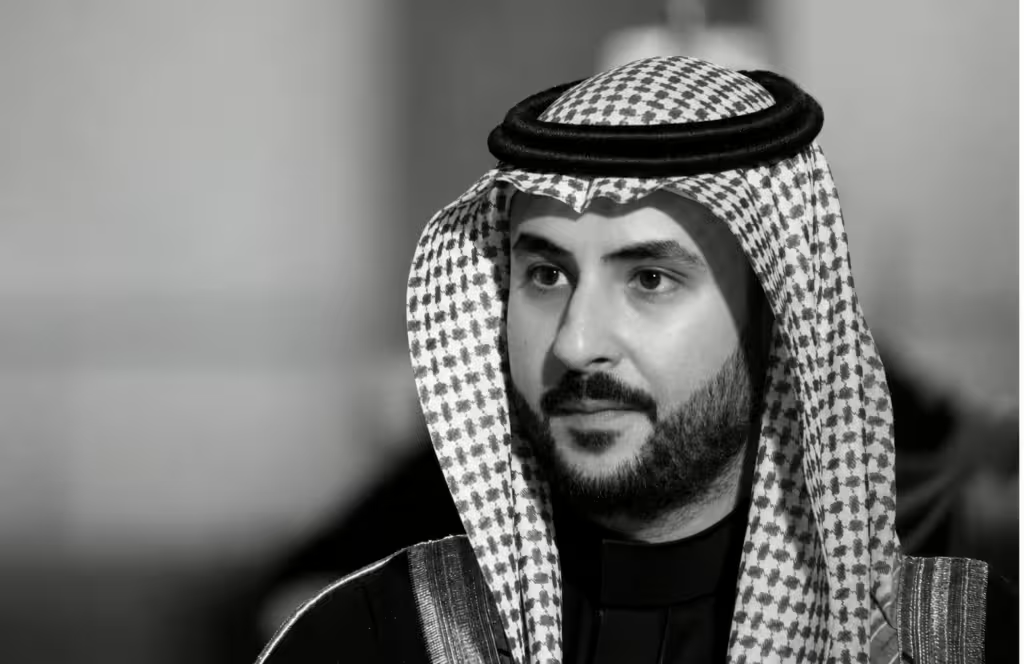
A delegation from the Makkah Agreement states arrived in Tehran led by Saudi Defence Minister Prince Khalid bin Salman, in what Riyadh described as a push for de-escalation and diplomatic solutions to the region’s crises. Saudi Deputy Minister for Public Diplomacy Rayed Krimly said on X that the group would stress the pact states’ role in restoring regional security and stability.
Details:
- Who is in the room: Krimly said participants include Pakistan’s Army Chief of Staff Field Marshal Asim Munir, Turkish intelligence chief Ibrahim Kalin and Iranian President Masoud Pezeshkian. No agenda items, duration or follow-up meetings were announced, and the Saudi statement did not say whether the delegation would meet Iran’s supreme leader.
- Trump’s endorsement: US President Donald Trump renewed his backing for Benjamin Netanyahu on Truth Social, telling Israelis voting tomorrow that the prime minister must be re-elected so they can finish the job against Iran. He called Netanyahu an outstanding warrior prime minister and said the two had won together.
- The timing: The post came a week after Trump’s first endorsement and hours after Axios reported that Netanyahu had been pressing the US president to issue another statement of support ahead of the vote.
- Israeli friction: Israeli media reported a clash between Netanyahu and military Chief of Staff Lt Gen Eyal Zamir over an operation officials believe could trigger a confrontation with Iran before the election. Channel 12 cited sources saying Zamir resisted carrying it out, and quoted a military source describing “an action that could lead to a flare-up with Iran, at a sensitive and dramatic moment.”
- Strikes on Sanaa: The Saudi-led coalition said it struck Sanaa and destroyed two ballistic missile launchers used to attack Riyadh. Spokesman Maj Gen Turki Al Malki said one platform was used in a Houthi attack that morning, and that a missile fired at the Saudi capital was intercepted and destroyed.
- Scale of the operation: Al Malki said the operation destroyed five tunnels used to store projectiles, four launchers and a missile depot, and targeted Houthi supply lines between areas under their control. He said the coalition was continuing operations to dismantle the group’s ballistic missile network.
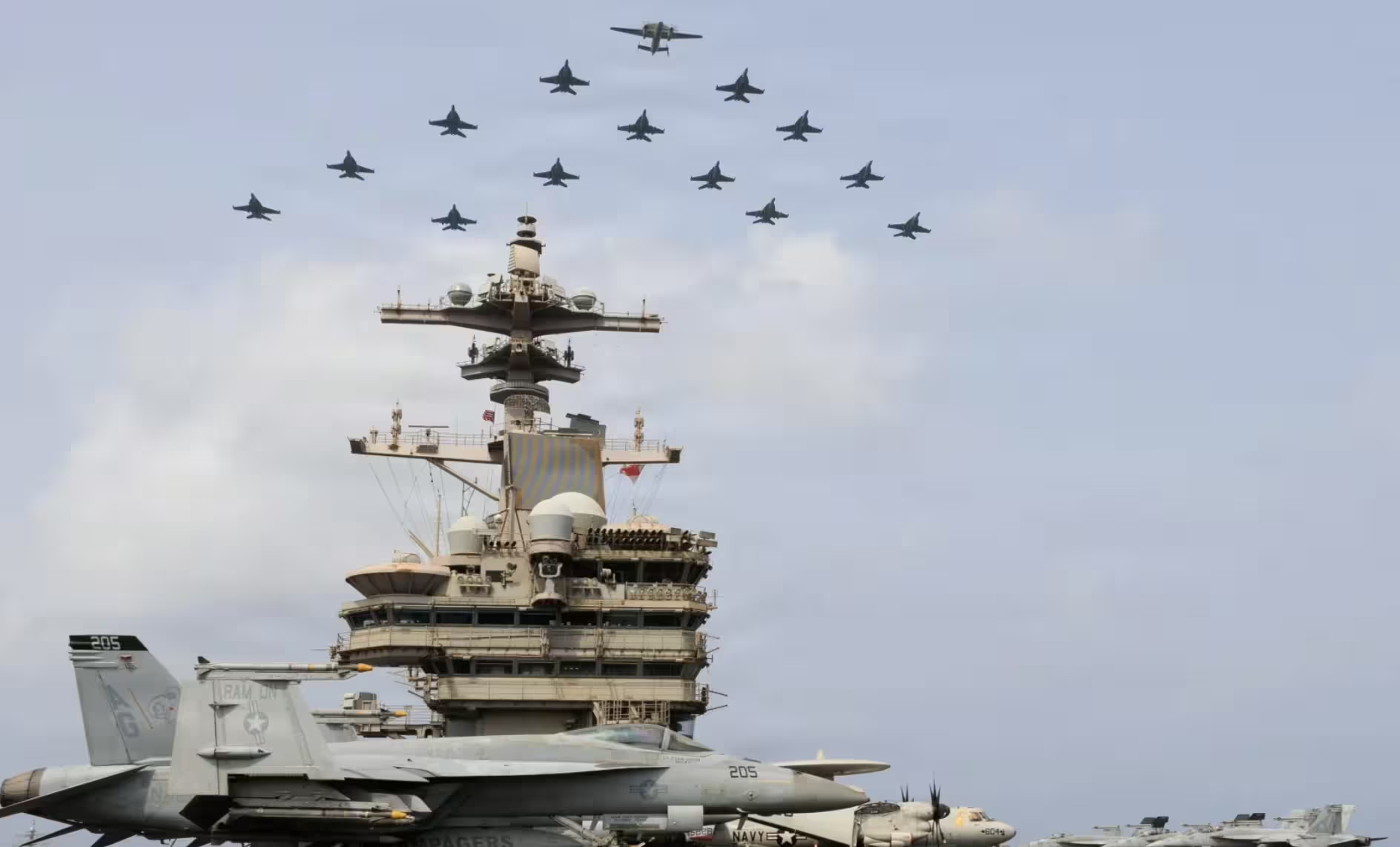
- Hormuz visit: The head of US Central Command visited the Strait of Hormuz on Sunday. Centcom said Washington has helped Gulf allies export more than 1.5 billion barrels of crude since summer, and that US forces cleared the strait’s international shipping lanes of sea mines laid by Iran’s Islamic Revolutionary Guard Corps.
- Cooper’s message: Admiral Brad Cooper said the US stands shoulder to shoulder with Gulf partners and the shipping industry, and that the visit underscored its commitment to freedom of navigation. He said Washington remains focused on keeping commercial traffic flowing with the GCC and shipping companies.
- Travel advisory: The US told its staff not to use Saudi airports without special authorisation, a restriction issued as Houthi missile fire at Riyadh and coalition retaliation continued.
Background:
The Makkah Agreement groups states that have positioned themselves as mediators in regional crises. Its members include Saudi Arabia, Pakistan and Turkey, whose defence, military and intelligence chiefs travelled together to Tehran for this round of talks.
Between the lines:
Two tracks are running at once. Riyadh is sending its defence minister to Tehran alongside Pakistani and Turkish security chiefs to argue for de-escalation, while Trump tells Israeli voters the job against Iran is unfinished and Israel’s own army chief resists an operation his colleagues fear could spark a confrontation. Centcom’s mine-clearing and the airport restriction show the risk is already being priced in militarily.
What’s next
Israelis vote tomorrow, making Trump’s endorsement and the Netanyahu-Zamir dispute immediately testable. Watch for outcomes from the Tehran meeting, further Houthi missile fire at Riyadh, and any change to the US restriction on Saudi airports.