Key Points
- US officials say forces in the region can launch major Iran strikes within 96 hours.
- Target list includes Iranian energy infrastructure, military sites and nuclear facilities, officials told CNN.
- Any strike would likely draw immediate Iranian and Houthi retaliation against US personnel regionally.
The latest:
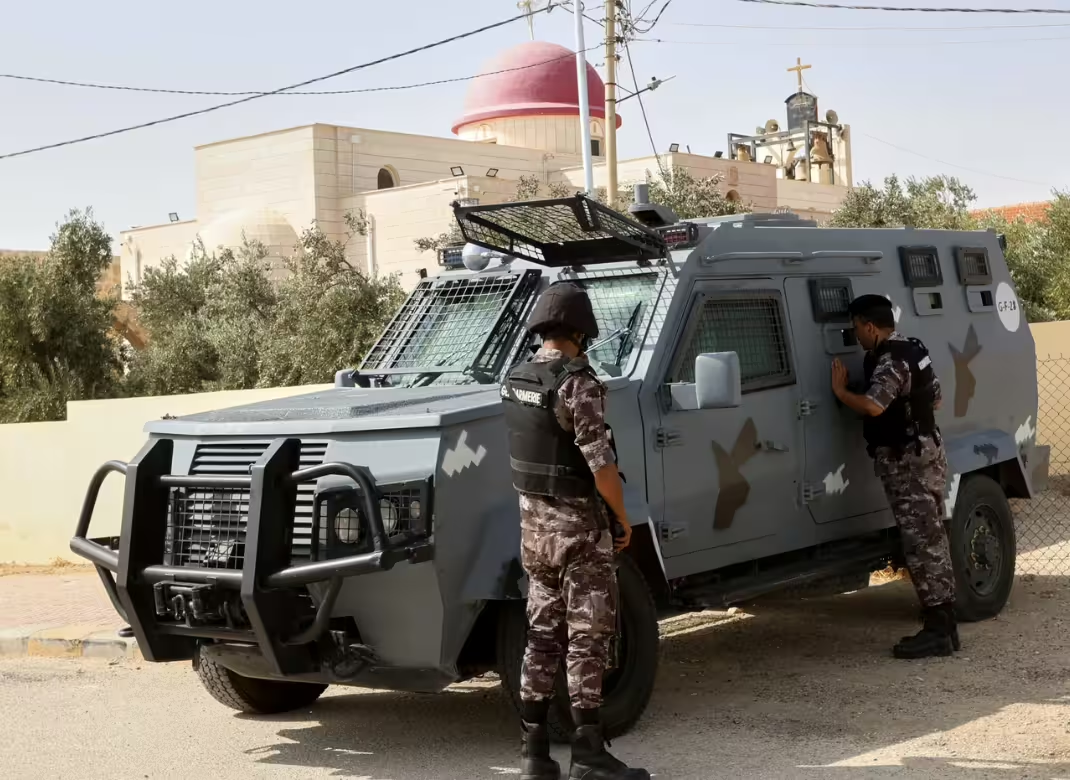
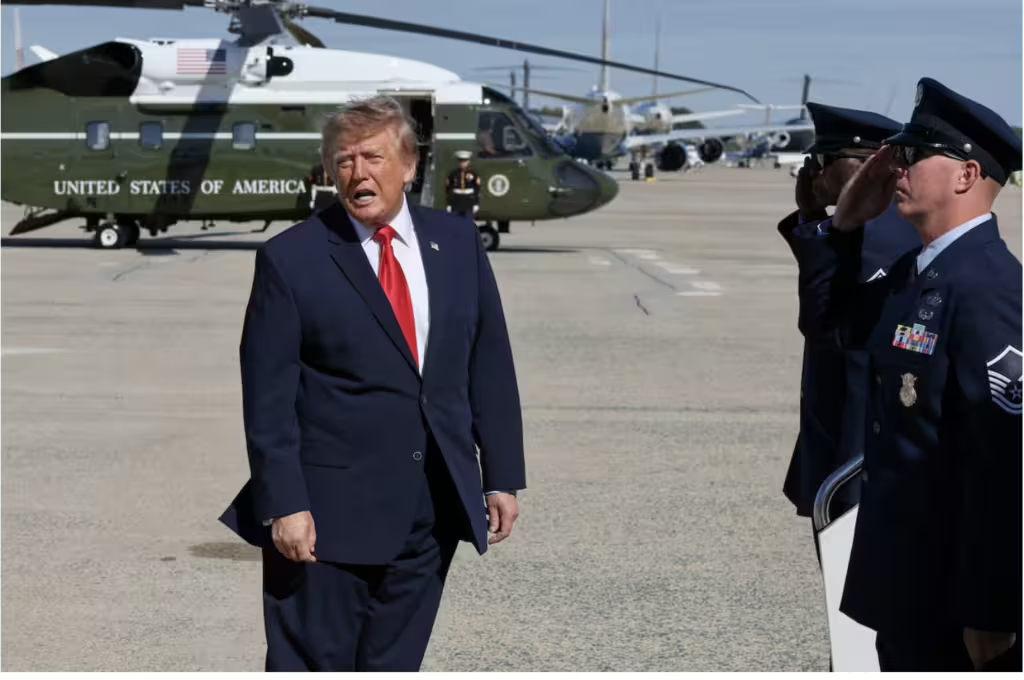
American forces in the Middle East are positioned to begin new and potentially large-scale military operations against Iran within 96 hours of an order from President Donald Trump, two US officials told CNN. Officials said the scope would exceed the limited strikes on radars and launchers carried out since Trump halted full combat operations earlier this year. The White House declined to comment.
Details:
- The timing: Current and former US officials familiar with internal planning said several regard a go-order as a question of when rather than if, and believe it could come before the end of the year, most likely after the US midterm elections. Officials cautioned Trump has previously leaned toward action and then pulled back at the last moment.
- The target list: US Central Command and the Pentagon have been developing a wide-ranging target list covering Iranian energy infrastructure, military sites and nuclear facilities, officials said. They acknowledged a complication: Iranian forces are now more familiar with American tactics, making it harder to destroy every intended target.
- The Pentagon line: A senior Pentagon official said in a statement to CNN that the department is a planning organization whose job is to develop and execute military options ordered by the president. One of the officials described the contemplated operation as “a big effort.”
- The retaliation risk: Sources familiar with recent US intelligence assessments said Tehran and the Houthis take the prospect of renewed US and possibly Israeli attacks very seriously, and would likely retaliate immediately against American personnel and facilities across the region and potentially beyond. Intelligence officials assess neither is likely to strike preemptively.
- The intelligence memo: An unclassified October 23 memo from Director of National Intelligence Jay Clayton to Secretary of State Marco Rubio said US intelligence found Iran has substantially increased efforts to target US personnel, with plotting at advanced stages in the Middle East and certain other countries, according to earlier CNN reporting.
- The drawdown: The US is expected to keep quietly pulling personnel from Middle East embassies in coming days, one source said. Riyadh is currently the only American diplomatic facility under ordered departure; others are expected to receive similar directives, with those that do not being scaled down under a personnel cap.
- The troop signal: Nonessential US military personnel slated to deploy to the Middle East in the next rotation have been told they are no longer being sent, a US official said, a move officials see as pointing to possible regional escalation.
- The Hormuz front: CENTCOM commander Adm. Brad Cooper flew over the Strait of Hormuz on Sunday as the US maintains its blockade on Iranian ports, CENTCOM said, meeting troops who cleared Iranian mines. Despite more tankers transiting, oil prices remain high partly on the threat of Iranian attacks.
- The Israeli push: Benjamin Netanyahu has pressed for new attacks on Iran, but US officials asked him to wait for joint operations, two US officials and an Israeli security source said. The source said Netanyahu sought Trump’s approval for a joint strike before Israel’s elections and did not get a green light.
- The Israeli calculation: IDF chief of staff Eyal Zamir told Joint Chiefs Chairman Gen. Dan Caine a strike would harm Israel’s elections and force their postponement, the Israeli security source said. A separate source said Israel also needs US missile defense support, with its defensive munitions strained.
Background:
Trump halted full combat operations against Iran earlier this year, leaving US forces striking radars, launchers and other assets Tehran can quickly rebuild. Netanyahu said this week his directive to the IDF, Mossad and other security branches is to topple the Iranian government.
Between the lines:
Two gaps sit inside the planning. One US official called the status quo at Hormuz untenable long term, yet questions persist over whether the White House has a strategy for ending the conflict. Recent US intelligence assessments, per one source, find Netanyahu and his allies lack a clear strategic objective beyond showing progress and degrading the Iranian government — even as the stated goal is regime collapse.
What’s next
The midterm elections are the hinge: officials expect any decision to follow them. Watch for further ordered-departure directives at US embassies, additional troop rotation cancellations, and whether a diplomatic breakthrough on Hormuz emerges first.