The latest:
A single bullet aimed at an American official could ignite a full-scale war, a senior European official told The New York Times, describing a conflict now running on political clocks in Washington and Jerusalem. US officials fear Iranian attack plots have moved from planning to execution, while Iranian officials say they are convinced a third round of strikes is coming.
Details:
- The US assessment: American officials told The New York Times that intelligence on possible Iranian attacks has risen sharply since the exposure of a suspected Iranian plot against a British base used by the US military. The material reviewed by senior officials included Iranian planning for an assassination campaign in response to any new US or Israeli strike.
- The memo: A warning from Director of National Intelligence Jay Clayton to Secretary of State Marco Rubio, first reported by Axios, said Iran had sharply increased efforts to target US personnel abroad and that lethal preparations had reached advanced stages in the Middle East and elsewhere. The memo named no targets, methods or locations.
- Trump’s position: Trump said he would not strike before the congressional midterms in ten days but signaled all options are open afterward. Senior US officials said that in private sessions he appears inclined toward another round of major strikes inside Iran. He told reporters Saturday only that he would decide soon.
- The target list: Plans drawn up by Central Command detail an expanded set of bombing targets, including energy infrastructure and other sites vital to the Iranian economy, according to an official briefed on the planning. No timetable has been disclosed.
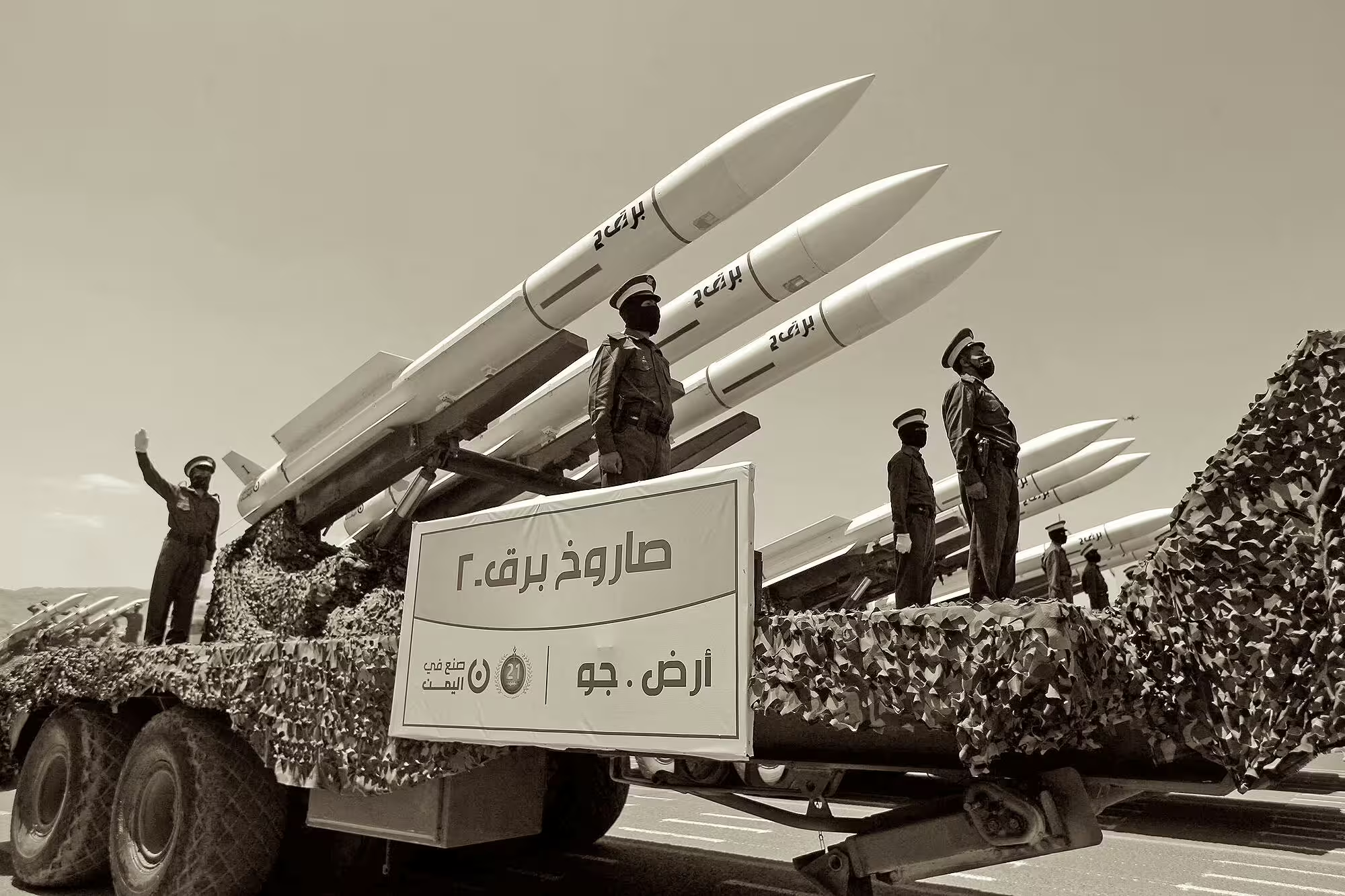
- Tehran’s threats: Senior Iranian officials have publicly threatened civilian infrastructure, energy sites and undersea fiber-optic cables carrying internet traffic. A senior official said in recent days that Iran is preparing surprise attacks with no red lines. The Revolutionary Guard warned Wednesday of a new offensive strategy if Washington renews its attacks.
- The Iranian justification: Two Iranian officials, one a Revolutionary Guard member, confirmed in Saturday interviews that the expanded target list includes American diplomats and personnel, speaking anonymously because they were not authorized to comment. They cited the killing of dozens of Iranian officials and some family members by Israel and the United States.
- The capability gap: US and Western officials cautioned that Iranian ambitions often outstrip capabilities. Tehran has repeatedly relied on criminals and hired killers caught before causing harm, and officials said the danger of any specific plot depends on the competence of the contractor hired to carry it out.
- The diplomatic drawdown: The State Department announced Wednesday it would withdraw non-essential staff from its mission in Saudi Arabia, citing escalating Iranian-backed Houthi attacks on Saudi infrastructure. CNN reported reduced staffing at embassies in the UAE, Bahrain, Kuwait, Qatar, Jordan and Lebanon. The Pentagon has confirmed 21 American service members killed in the region since the war began.
- The information gap: Only the Gang of Eight lawmakers were briefed before Clayton’s warning became public, puzzling officials who questioned why the administration published a message it could not support with specific plots. Neither the White House team nor Pentagon leadership has briefed on the conflict in months.
- The electoral clock: Benjamin Netanyahu and Trump both face decisive elections. Even if Netanyahu loses Tuesday, The New York Times reported, he could decide on a final strike he believes a successor would hesitate to order.
Background:
The war began February 28 with a preemptive attack that killed a generation of Iranian commanders. Tehran responded by hitting US bases across the Middle East and closing the Strait of Hormuz, surprising American officials. Iranian threats against Trump date to the January 2020 killing of Qassem Soleimani.
Between the lines:
The structure now favors escalation over restraint. Both leaders face elections that reward demonstrations of resolve, both sides have published target lists reaching into civilian infrastructure, and the intelligence underpinning American alarm remains too classified for independent testing. Diplomats and outside experts assess that partial intelligence has preceded earlier catastrophes, citing Iraq. Twelve withdrawn B-1 bombers at RAF Fairford became a tripwire: Iranian officials said their return would signal an imminent attack.
What’s next
The Israeli election Tuesday and the US midterms in ten days are the two dates Trump has tied to any strike decision. Watch whether the B-1 bombers return to RAF Fairford, and whether mandatory departures expand beyond Saudi Arabia.