The latest:
Two storage sites holding shoulder-fired, Chinese-made air defense systems recently delivered from Iran were hit in suspected strikes last week, sources told Asharq Al-Awsat. A security official told the paper Iraqi authorities have not determined the nature of the strikes but have seen enough to believe Israel carried them out. Baghdad has not publicly assigned responsibility.
Details:
- The weapons: Sources told Asharq Al-Awsat the targeted consignment consisted of man-portable air defense systems that had arrived from Iran and been transferred to Iraqi factions aligned with Tehran. The specific model was not identified, and the transfer into Iraq has not been independently established.
- The timing: One source said the suspected attack came shortly after the shipments reached the two sites. Another said the blasts followed a first wave of explosions in early October that hit faction depots in and around Baghdad, including warehouses holding attack and reconnaissance drones.
- The October 17 blast: The Popular Mobilization Forces said an explosion struck one of its headquarters east of Baghdad, calling it accidental and involving old ammunition, with five members lightly wounded. Security and medical sources cited by Reuters reported one dead and four injured.
- The investigation: The PMF said preliminary forensic findings pointed to an internal malfunction with no indication of external attack, while the probe continued. An unnamed Iraqi government official told Asharq Al-Awsat authorities were still examining the circumstances, with no update issued more than a week later.
- The Chinese link: Reuters reported on July 29 that Iran signed a deal for 300 to 400 Chinese-made QW-12 and FN-16 launchers, according to sources familiar with it. China’s foreign ministry denied the reports on July 28, and delivery remains unconfirmed.
- The political reading: A senior political adviser told Asharq Al-Awsat that Iraqi intelligence circles assess a renewed US-Israeli campaign against Iran may already have begun quietly inside Iraq, by striking faction supply lines before any new regional confrontation.
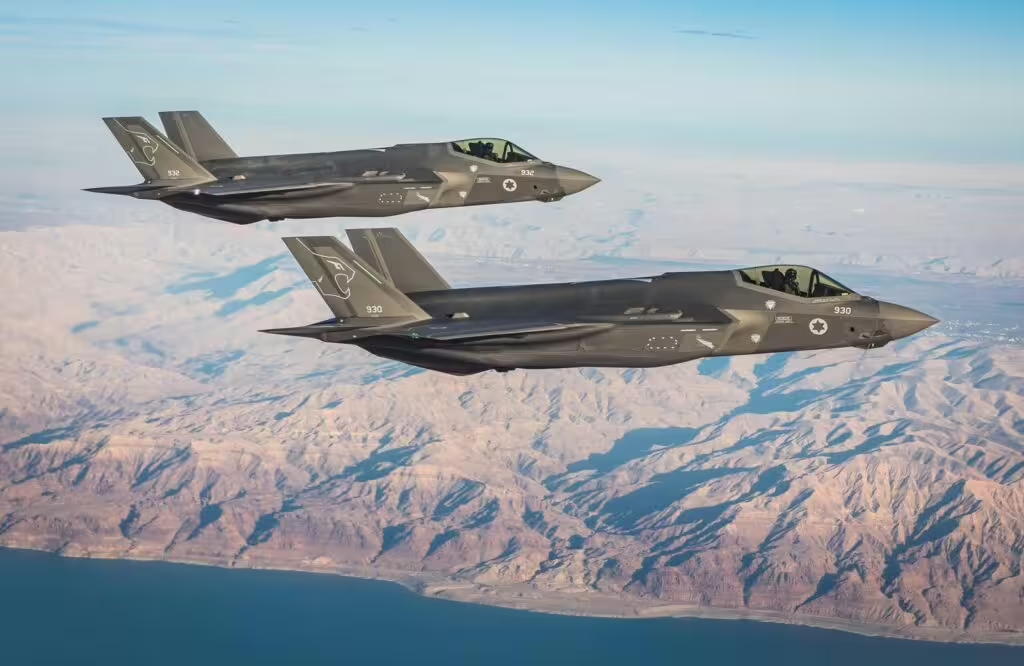
- The overflight row: Axios quoted Israeli and American officials saying dozens of Israeli jets flew a sortie over Syria and Iraq that turned back near Iran’s border, described to Washington as a show of force. No Iraqi official statement confirmed the aircraft crossed Iraqi airspace.
- The domestic backlash: The Badr parliamentary bloc condemned what it called Israeli violations of Iraqi airspace and demanded a documented complaint to the UN Security Council. Security Media Cell head Saad Maan said Iraq monitors and documents breaches, referring them to the foreign ministry, and remains neutral.
- The diplomacy: Foreign Minister Fuad Hussein told Saudi counterpart Faisal bin Farhan that Iraq rejects the use of its territory for any attack on Saudi Arabia or regional states, and raised a regional de-escalation initiative, according to an Iraqi foreign ministry statement.
- The American drawdown: US forces completed their withdrawal under the September 30 deadline agreed with Baghdad, ending the coalition mission at Erbil air base. Washington has warned citizens against travel to Baghdad, citing threats posed by the militias.
Background:
Iran has armed Iraqi factions for years with missiles and drones. Iran-backed groups have previously blamed Israel for strikes in 2019 and at Albu Kamal on the Syrian-Iraqi border. In May, the Wall Street Journal reported Israel built a covert airstrip in Iraq.
Between the lines:
Yedioth Ahronoth assessed that shoulder-fired systems would not neutralize Israeli air superiority, since strike aircraft and platforms like the Heron TP operate well above the QW-12’s roughly 4,000-meter ceiling. The analysis argued the real exposure is lower down: rescue helicopters and low-altitude reconnaissance. It also noted Chinese-origin equipment in a depot would not by itself prove Beijing authorized the transfer.
What’s next
Watch whether Baghdad files the Security Council complaint Badr demanded, whether the PMF investigation into the October 17 blast produces final findings, and whether any Iraqi official statement confirms the overflights.