Key Points
- Washington warned citizens against travel to 13 Middle East countries, citing terrorism and missile threats.
- Houthi attacks hit Riyadh, Dammam, Najran and Jazan airports in recent weeks, killing and wounding Saudis.
- The advisories land as Trump threatens a second strike on Iran absent a deal.
The latest:
Washington has advised Americans against travel to 13 Middle East countries, among them Saudi Arabia, the UAE, Qatar, Israel, Iran and Yemen, with every advisory citing terrorism. The State Department said Houthi attacks on Saudi Arabia have the potential to escalate rapidly beyond the immediate area, and flagged the risk of drone and missile targeting of American interests by Iran and the Iran-backed group.
Details:
- The list: The advisories cover Saudi Arabia, Bahrain, Iran, Iraq, Jordan, Lebanon, Kuwait, Oman, the UAE, Qatar, Syria, Yemen and Israel, according to The National. Washington urged citizens to reconsider travel to the kingdom over armed conflict and terrorism, and issued a blanket do-not-travel instruction for the Yemen border area.
- The official line: A State Department official said after the announcement that the advisories were “not indicative of new capabilities from the Houthis, but reflect the strikes we have seen over recent days, including on the airport”. The department did not set an expiry or review date.
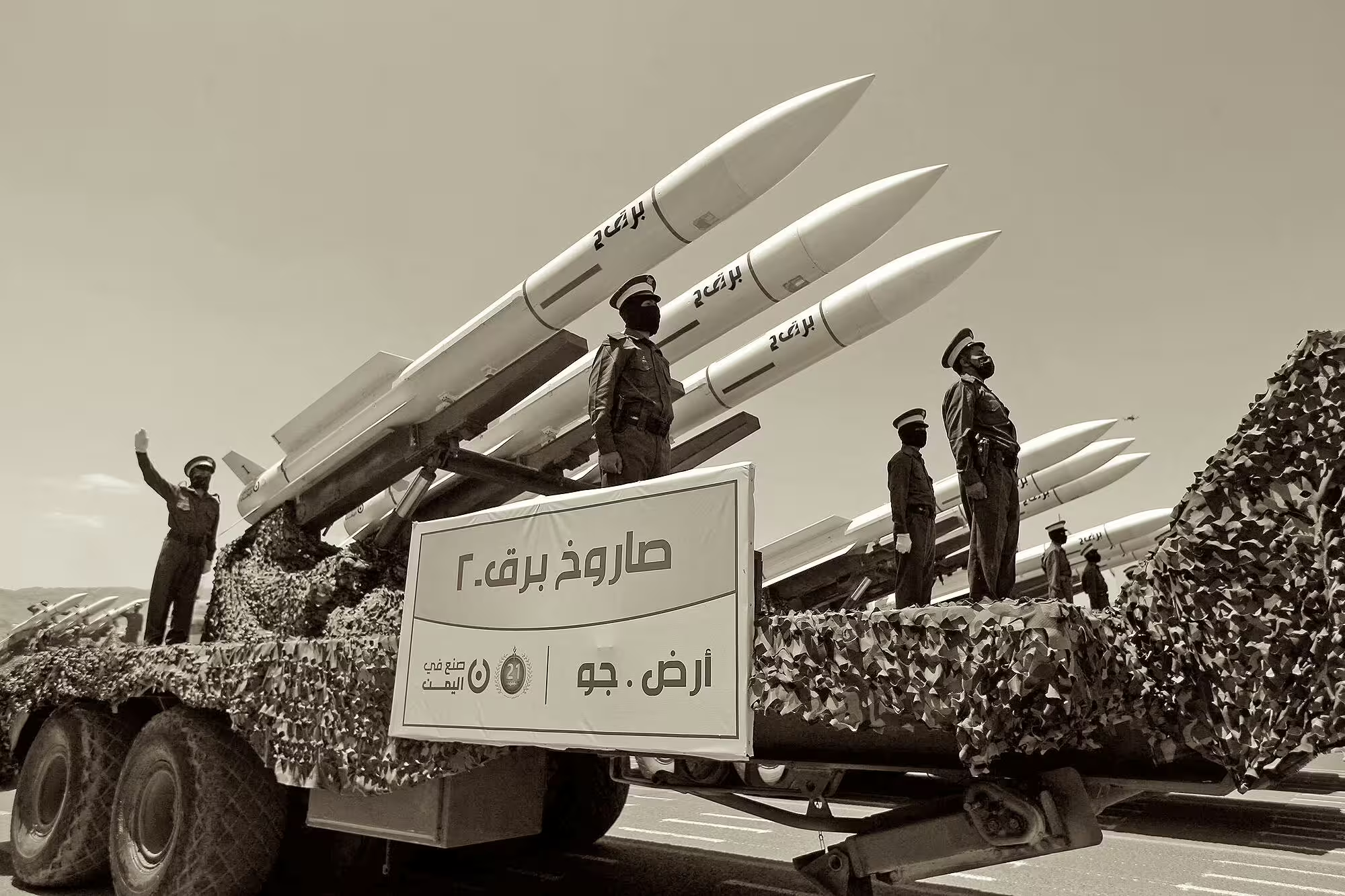
- The attacks: The Iran-backed group has struck the Riyadh, Dammam, Najran and Jazan airports in recent weeks, The National reported. The strikes were deadly and disrupted air travel across the kingdom, with no indication from authorities of when normal operations would resume.
- The casualties: Saudi Arabia’s Civil Aviation Authority said on Wednesday that the latest Houthi attack on King Fahd International Airport in Dammam, in the Eastern Province, killed two people and injured eight. The authority did not detail the weapon used or the nationalities of those killed.
- Aviation impact: Riyadh’s King Khalid International Airport only partially reopened after being closed this month, and international services have not been fully restored. No timeline has been announced for a return to the full international schedule.
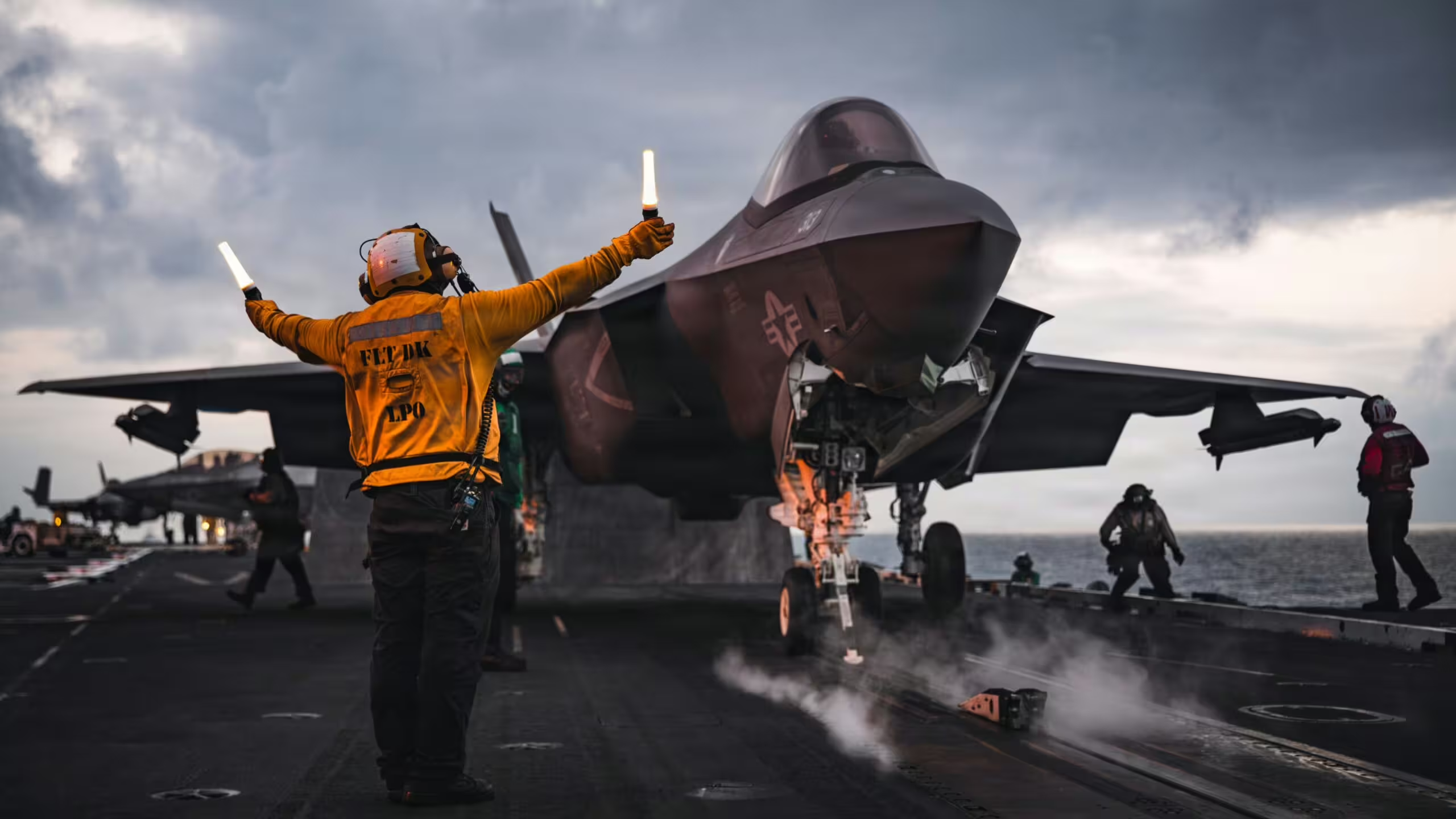
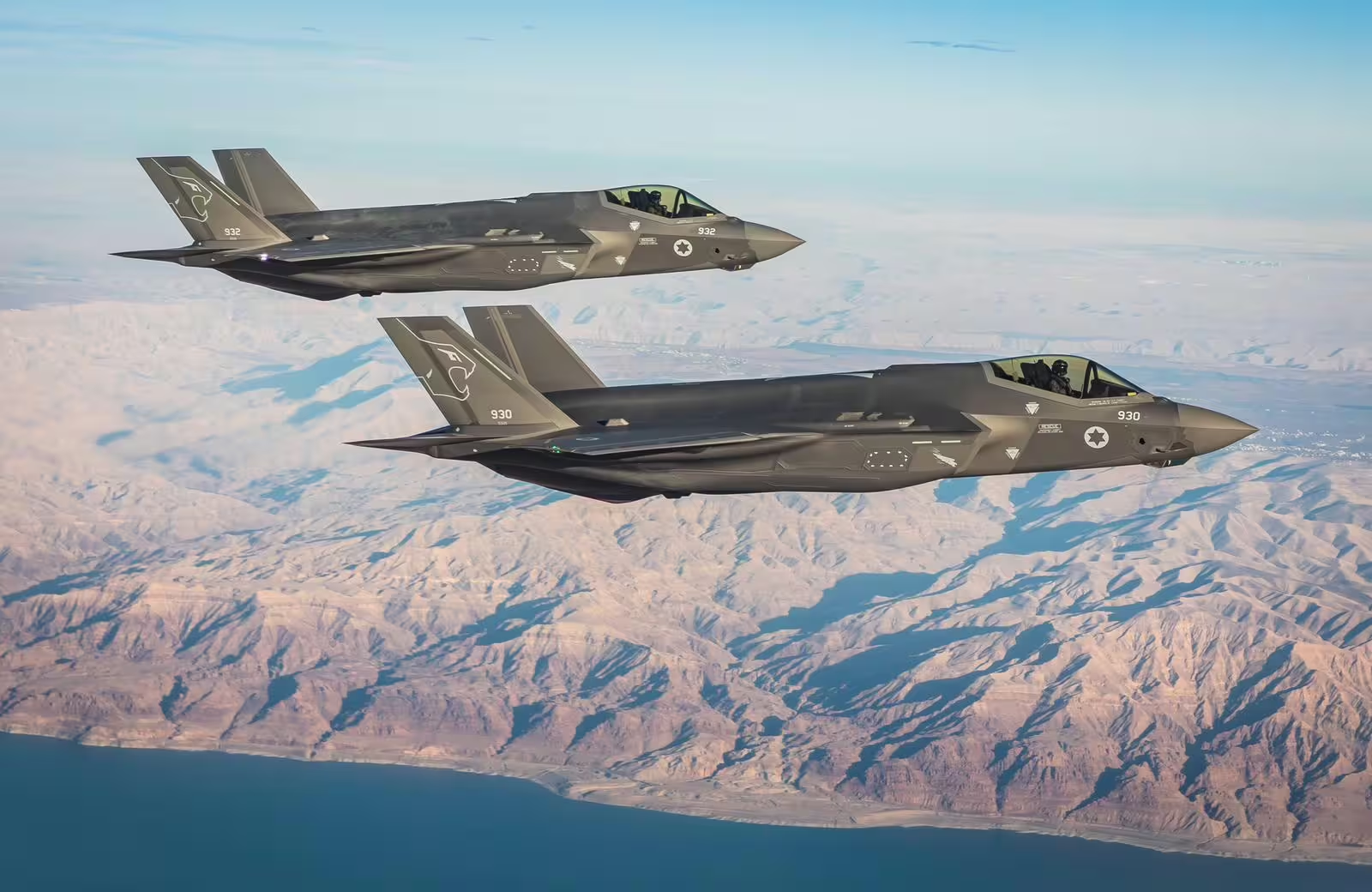
- Trump’s threat: President Donald Trump said on Friday that Washington may carry out another military operation against Iran if no deal is reached, telling a Florida rally the US may do another little Epic Fury, the military’s term for its war on Iran. Earlier this month he said the US would not strike before the November 3 midterms.
- Tehran’s warning: Iranian officials have vowed a wider response to any new attack than the strikes Tehran launched across the region after February 28. Iran’s National Security Council chief Maj Gen Mohsen Rezaei told Iranian media this week that cables, data centres and artificial intelligence sites could be targeted.
- The intelligence: Axios, citing a memo to Secretary of State Marco Rubio, reported that US intelligence found Iranian plots against American diplomats and officials have reached advanced stages in the Middle East and certain other countries, and that Tehran had substantially increased its efforts against US personnel. Officials said that intelligence is one reason the State Department has been withdrawing embassy staff across the region, without publishing the scale of the drawdown.
Between the lines:
The State Department framed the advisories as a response to recent strikes rather than to any new Houthi capability, yet the warnings span 13 countries, far beyond the Saudi airports actually hit. Read alongside the embassy drawdown and the Rubio memo, the geographic spread suggests Washington is pricing in an Iran-wide escalation, not a Yemen-specific one.
What’s next
Watch the November 3 midterms, the date Trump set as his own floor for any strike, whether Riyadh restores full international service at King Khalid airport, and how many embassies the State Department draws down next.