Key Points
- A US intelligence memo warns Iran is intensifying efforts to target American diplomats and officials abroad.
- Washington is cutting embassy staffing in several Middle East countries, citing Iranian plots and Houthi attacks.
- The warning lands as Trump threatens renewed military action against Iran absent a deal.
The latest:
Iranian efforts to target American diplomats and officials in the Middle East and beyond have intensified, with some assassination plots reaching advanced stages, according to a US intelligence memo dated October 23 and published by Axios. Washington has begun reducing staffing at several regional embassies. A US official confirmed the memo’s authenticity to Axios correspondent Barak Ravid.
Details:
- The memo: The unclassified, one-page document was sent by Director of National Intelligence Jay Clayton to Secretary of State Marco Rubio, according to Axios. It urged Rubio to widen the circle of American personnel briefed on Iranian assassination plotting, arguing the available intelligence should reach more staff than those currently cleared to see it.
- Declassification offer: Clayton proposed downgrading the classification of as much sensitive material as possible so Rubio could share it more broadly with employees considered potentially at risk, according to Axios. The memo noted that senior State Department officials had already been briefed on the underlying intelligence.
- What is withheld: The memo did not name the individuals targeted, did not identify the countries outside the Middle East that the plots may extend to, and did not describe the nature of the potential operations. It stated only that the plotting had reached advanced stages.
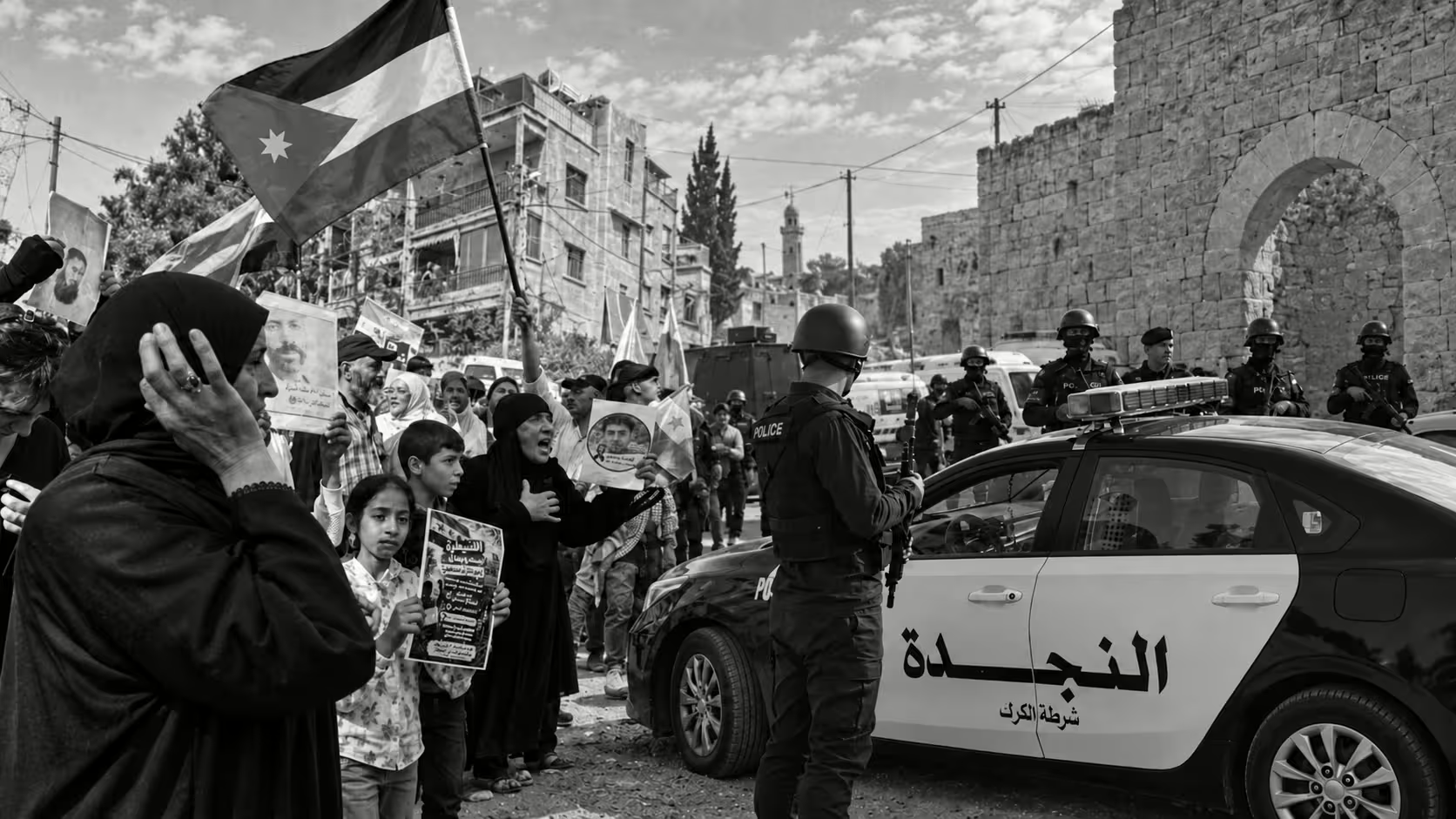
- Embassy drawdown: US officials said the intelligence on Iranian plots is one reason staffing has been reduced at several American embassies across the Middle East, alongside concern that Iran-backed Houthi forces in Yemen could extend their attacks to additional countries in the region.
- State Department line: A US official said Washington continuously assesses new information on the regional security situation, and that both the Houthi attack threat and Iranian plots against American officials factor into decisions on adjusting staffing at embassies placed under ordered departure status in the region.
- Military backdrop: Security concerns are also rising over the possibility that the United States and Israel resume military operations against Iran, potentially after the US midterm elections scheduled for November, according to the report.
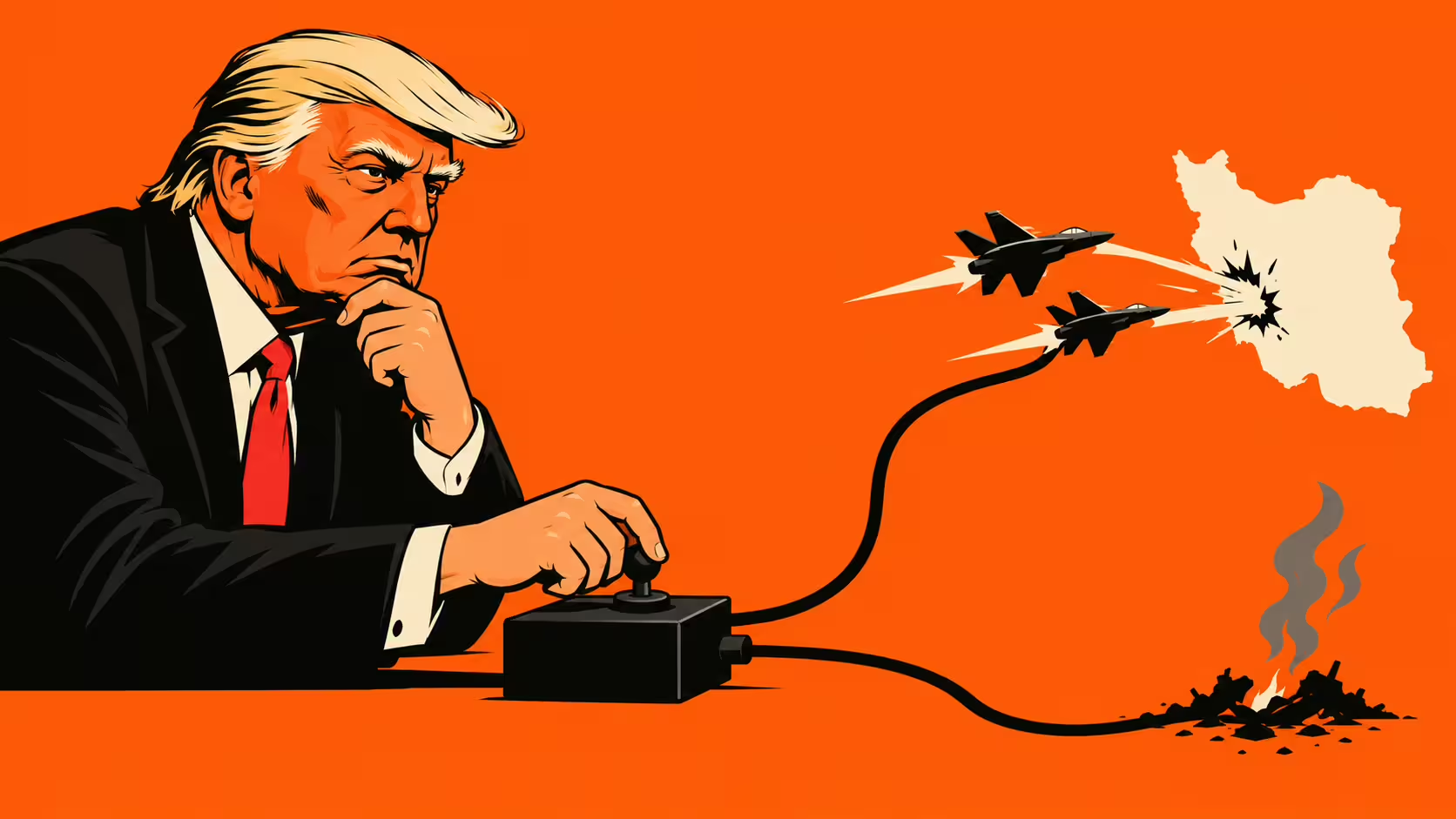
- Trump’s threat: At a campaign rally in Florida on Friday, President Donald Trump raised the prospect of a new military operation against Iran unless Tehran reaches an agreement with Washington, saying another small operation of the Epic Fury type was possible, or the Iranians would accept a deal.
- His framing: Trump added that if Iranian leaders were smart they would simply get to the substance of negotiations, but said he doubted they would do so. He offered no timeline, no conditions for talks, and no description of what a new operation would involve.
Background:
Tehran has long been accused by US officials of plotting against American figures abroad. The current warning is tied to an active regional confrontation involving Houthi attacks and the prospect of renewed US and Israeli military operations against Iran.
Between the lines:
The memo’s central request is procedural rather than operational: it asks for wider distribution of existing intelligence, not new action. Pairing that with embassy drawdowns suggests the assessed threat is specific enough to move staffing decisions, yet still too sensitive to name targets or countries. Trump’s rally language signals the diplomatic track and the military one are being run simultaneously.
What’s next
Watch whether Rubio acts on the declassification offer, whether more embassies move to ordered departure status, and whether Washington and Tehran open talks before the November midterms.